
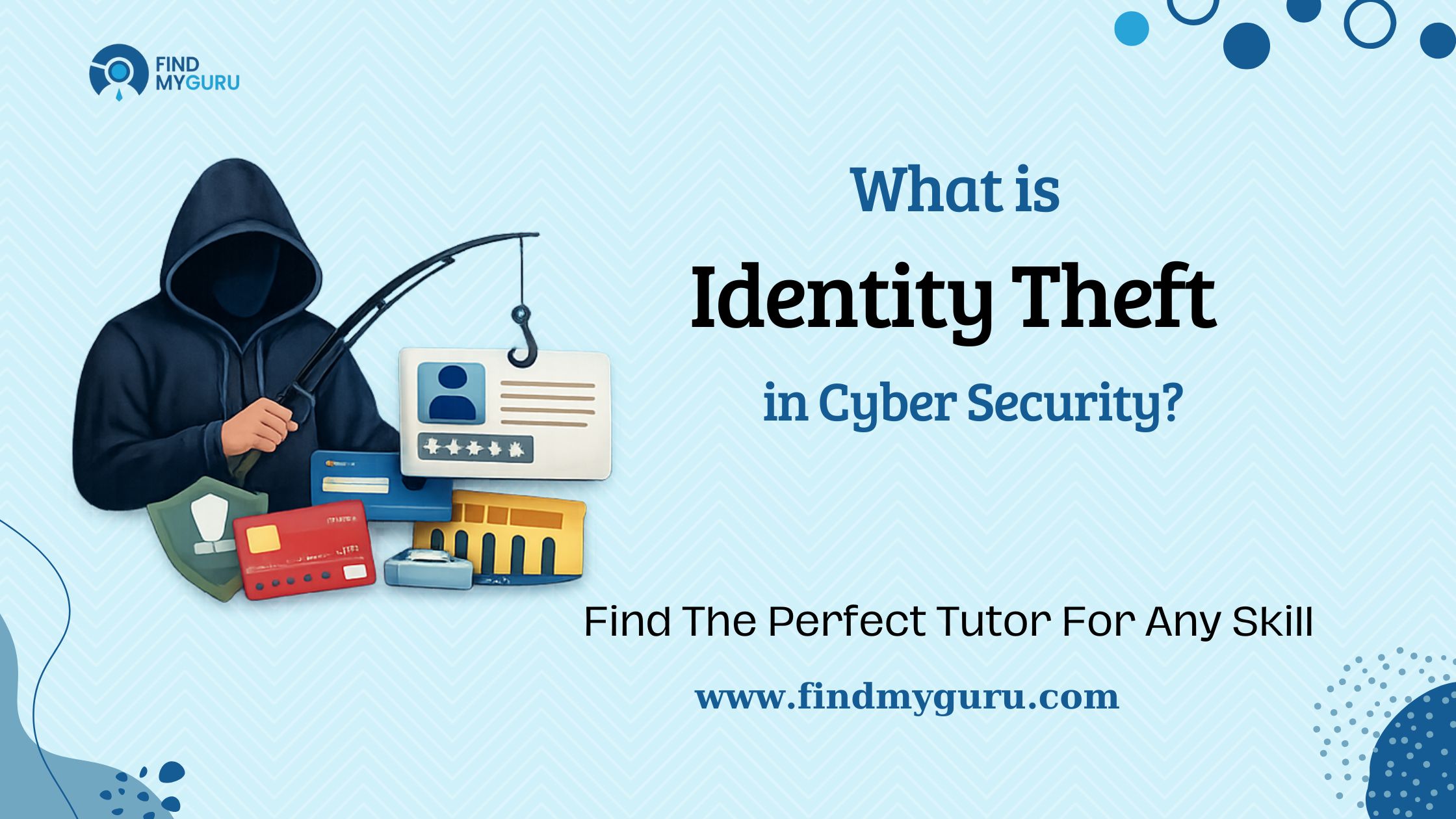
What is Identity Theft in Cyber Security
Identity theft in cyber security occurs when a person’s personal or financial information is stolen and misused for fraudulent purposes. Common forms include financial, medical, social media, and government identity theft. Cybercriminals use phishing, malware, social engineering, and data breaches to steal information. Warning signs include unusual account activity, unknown transactions, or unauthorized accounts. Prevention methods include strong passwords, two-factor authentication, regular account monitoring, and safe online practices.

02 Feb 26

What Is Cyber Security and Why Is It Important?
Cyber security is the practice of protecting computers, networks, and data from unauthorized access, cyberattacks, and digital threats. As technology becomes an essential part of everyday life, understanding what cyber security is and why it is important has become crucial for individuals and organizations alike. The main purpose of cyber security is to safeguard sensitive information, ensure system integrity, and maintain continuous access to digital services. This article explains the need for security in today’s digital world, highlights common cyber threats such as malware and phishing, and describes the different types of cyber security used to protect systems and networks. It also discusses how strong security measures help prevent financial loss, protect privacy, and build trust in online platforms, making cyber security a vital component of modern digital safety.
02 Feb 26

Cyber Security Scope
The cyber security scope is expanding rapidly as organizations prioritize protecting digital systems from evolving threats. With increasing cyberattacks, cloud adoption, and data privacy regulations, the demand for skilled professionals continues to grow worldwide.
02 Feb 26

Cyber Security Engineer
A cyber security engineer is responsible for protecting systems, networks, and data from cyber threats. This career is ideal for students interested in technology, problem-solving, and digital security. To become a cyber security engineer, learners typically pursue a degree in computer science, IT, or engineering in cyber security, develop strong technical and security skills, gain hands-on experience, and earn industry-recognized certifications. With rising cyber risks across industries, cybersecurity engineering offers strong career stability, competitive salaries, and long-term growth opportunities.
02 Feb 26

Features of Python Programming Language
Python is a high-level programming language known for its simple syntax, readability, and versatility. It supports multiple programming paradigms, offers a large standard library, and enables rapid development across web, data science, artificial intelligence, and automation domains. Features such as dynamic typing, automatic memory management, cross-platform compatibility, and strong community support make Python an excellent choice for both beginners and experienced developers. Understanding these features helps learners build a solid foundation and choose the right path in modern software development.
02 Feb 26

cyber security jobs hyderabad
Cyber security jobs in Hyderabad are in high demand due to rapid digital transformation and the growing need to protect data and networks from cyber threats. The city offers opportunities for both experienced professionals and freshers in roles such as cyber security analyst, security engineer, and SOC analyst. With the right technical skills, certifications, and hands-on training, candidates can build a rewarding career in cyber security across IT, finance, healthcare, and e-commerce industries.
31 Jan 26
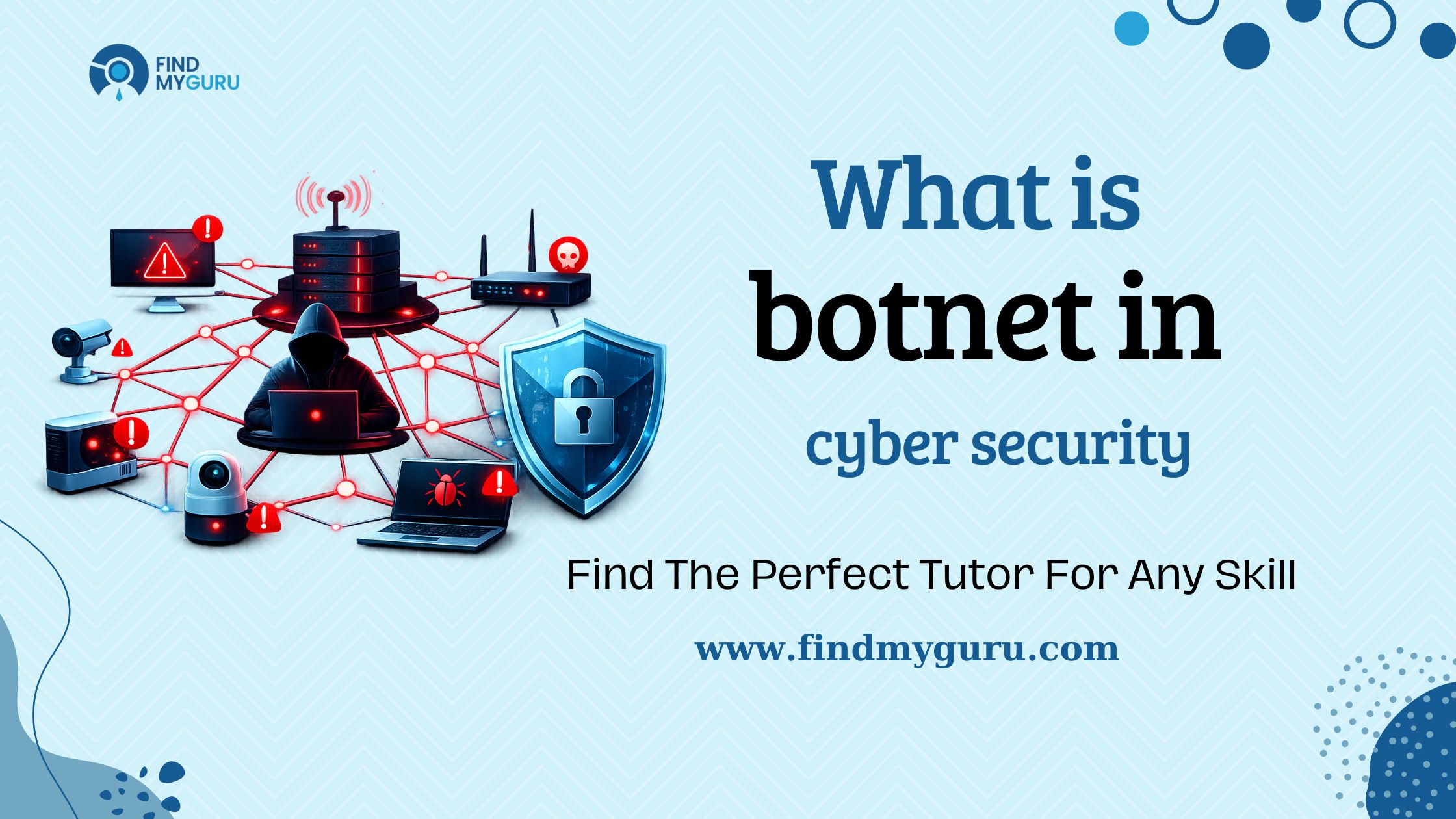
what is botnet in cyber security
A botnet in cyber security is a network of infected computers or internet-connected devices that are remotely controlled by attackers to perform malicious activities. These devices, known as bots or zombies, operate together under a command-and-control system without the knowledge of their owners. Botnets are commonly used to launch distributed denial-of-service (DDoS) attacks, send spam, steal sensitive information, and spread malware across networks. Understanding how botnets work is essential for protecting digital systems and personal devices. By maintaining updated software, using strong security tools, and monitoring network activity, individuals and organizations can reduce the risk of botnet infections. Awareness of botnet behavior and prevention techniques plays a key role in strengthening overall cyber security and minimizing large-scale cyber threats.
29 Jan 26

what is grc in cyber security
GRC in cyber security stands for Governance, Risk, and Compliance. It is a structured framework that helps organizations manage cyber risks, establish security policies, and comply with legal and regulatory requirements. Governance defines how security decisions are made and ensures accountability across the organization. Risk management focuses on identifying, analyzing, and mitigating potential cyber threats. Compliance ensures adherence to industry standards and data protection laws such as ISO 27001 and GDPR. By integrating these three elements, GRC strengthens an organization’s overall cyber security posture and supports business continuity. It also improves visibility into risks, streamlines audits, and enhances trust with customers and stakeholders. GRC plays a critical role in modern cyber security by aligning security strategy with business objectives and enabling continuous monitoring and improvement.
29 Jan 26

What is Hashing in Cyber Security
Hashing in cyber security is a technique used to convert data into a fixed-length value to protect its integrity and authenticity. It ensures that information cannot be altered without detection and plays a vital role in password security, digital signatures, and file verification. Unlike encryption, hashing is a one-way process that cannot be reversed to reveal the original data. Understanding hashing is essential for building secure digital systems and preventing unauthorized access.
29 Jan 26
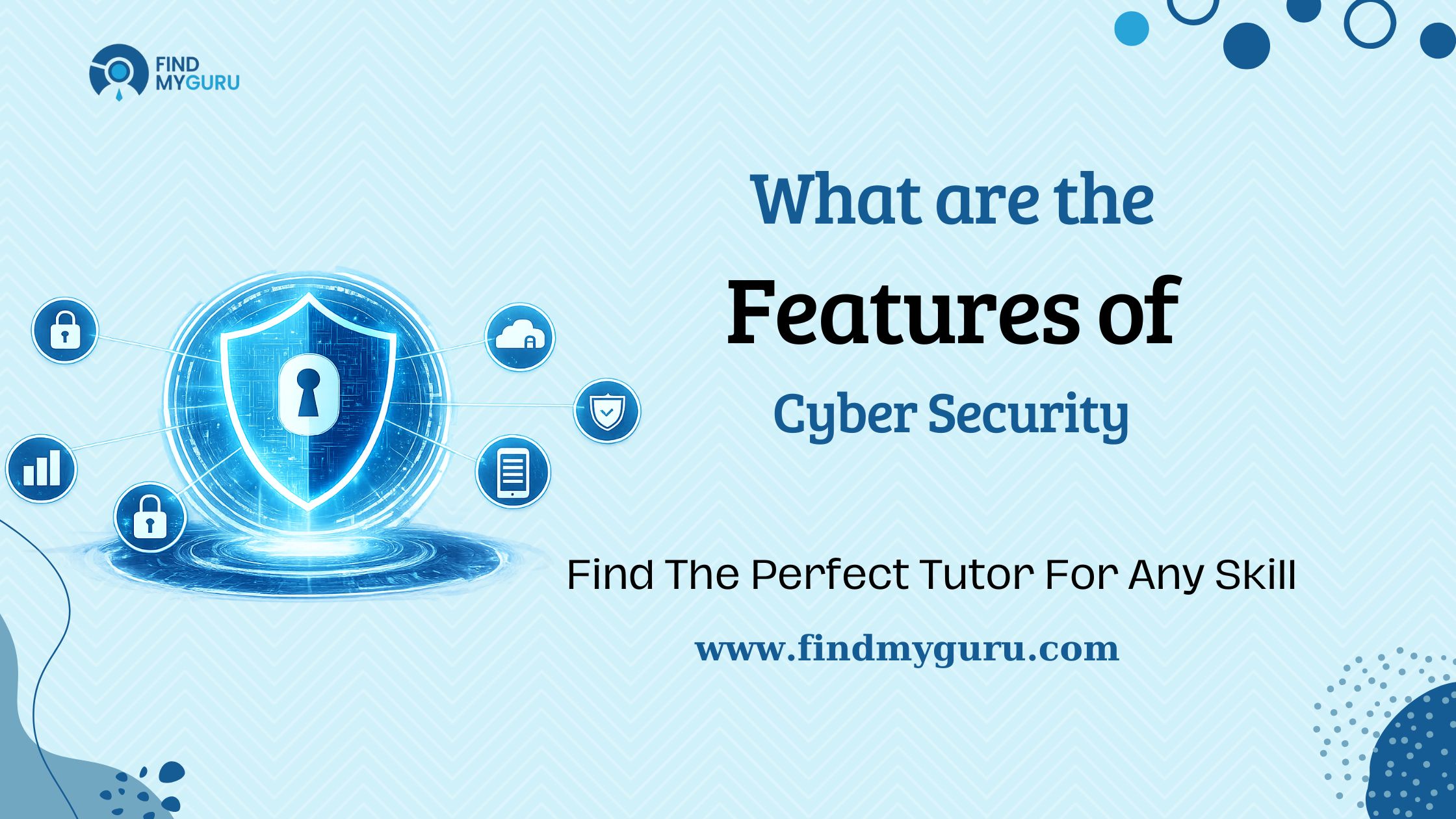
what are the features of cyber security?
Cyber security is designed to protect digital systems and data from unauthorized access and cyber threats. The key features of cyber security include confidentiality, integrity, availability, authentication, and protection against external attacks. These features work together to ensure that information remains secure, accurate, and accessible only to authorized users. Understanding these features is essential for maintaining safe and reliable digital environments.
28 Jan 26
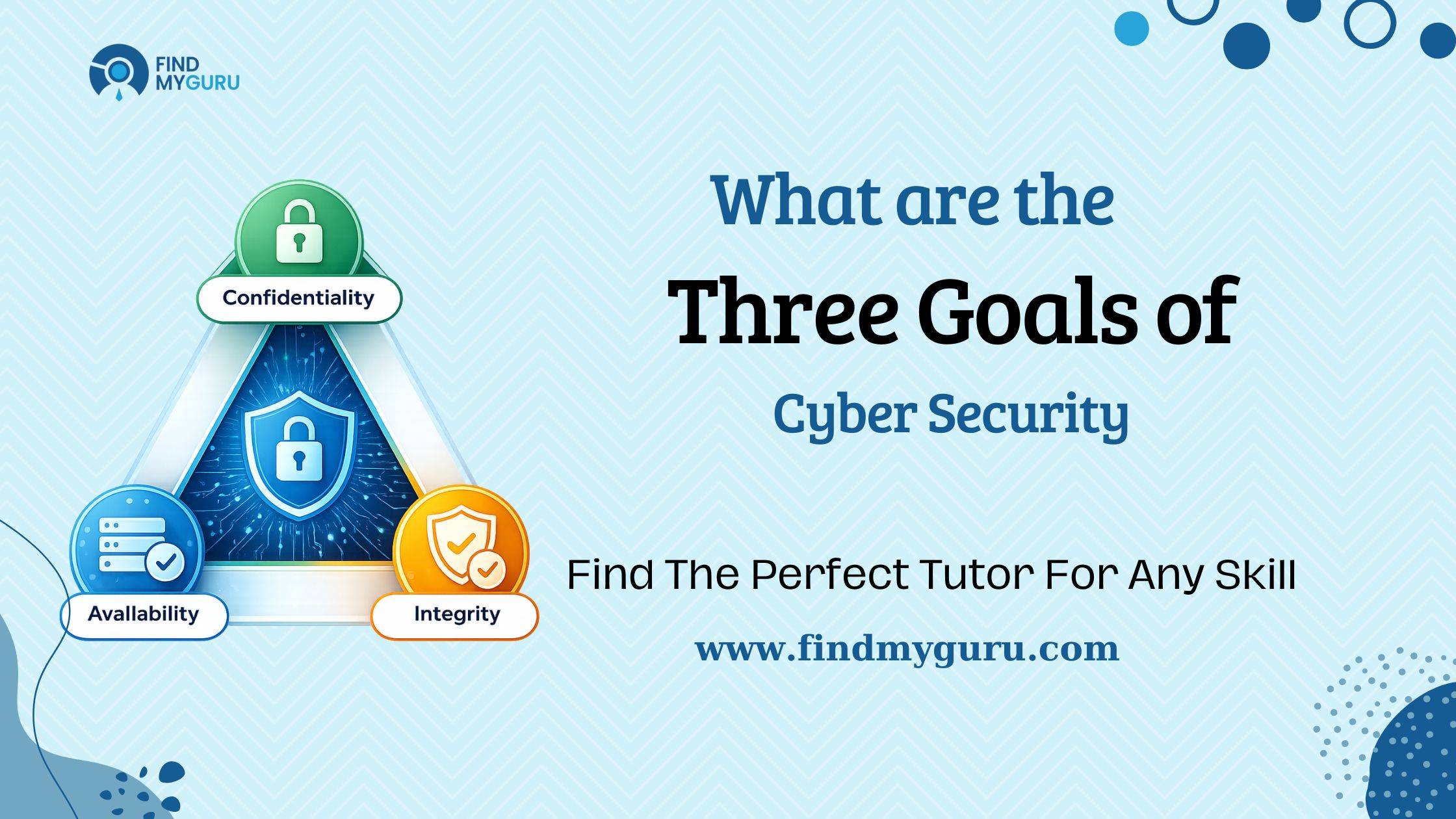
what are the three goals of cybersecurity
The three main goals of cybersecurity are known as the CIA Triad: Confidentiality, Integrity, and Availability. These principles form the foundation of all cybersecurity practices and policies. Confidentiality ensures that sensitive information is accessible only to authorized users and protected from unauthorized disclosure. Integrity focuses on maintaining the accuracy and trustworthiness of data by preventing unauthorized modification or destruction. Availability ensures that systems, networks, and information are accessible to authorized users whenever required. Together, these three goals help organizations safeguard digital assets, maintain user trust, and ensure business continuity in the face of cyber threats.
28 Jan 26

How I Got ₹12 LPA as a Fresher Full Stack Developer in 2025?
Discover how I went from a beginner to earning ₹12 LPA as a fresher Full Stack Developer in 2025. Learn the key skills, roadmap, and real-world projects that helped me succeed — and how FindMyGuru’s mentorship turned my career dreams into reality.
11 Aug 25