what is botnet in cyber security
what is botnet in cyber security

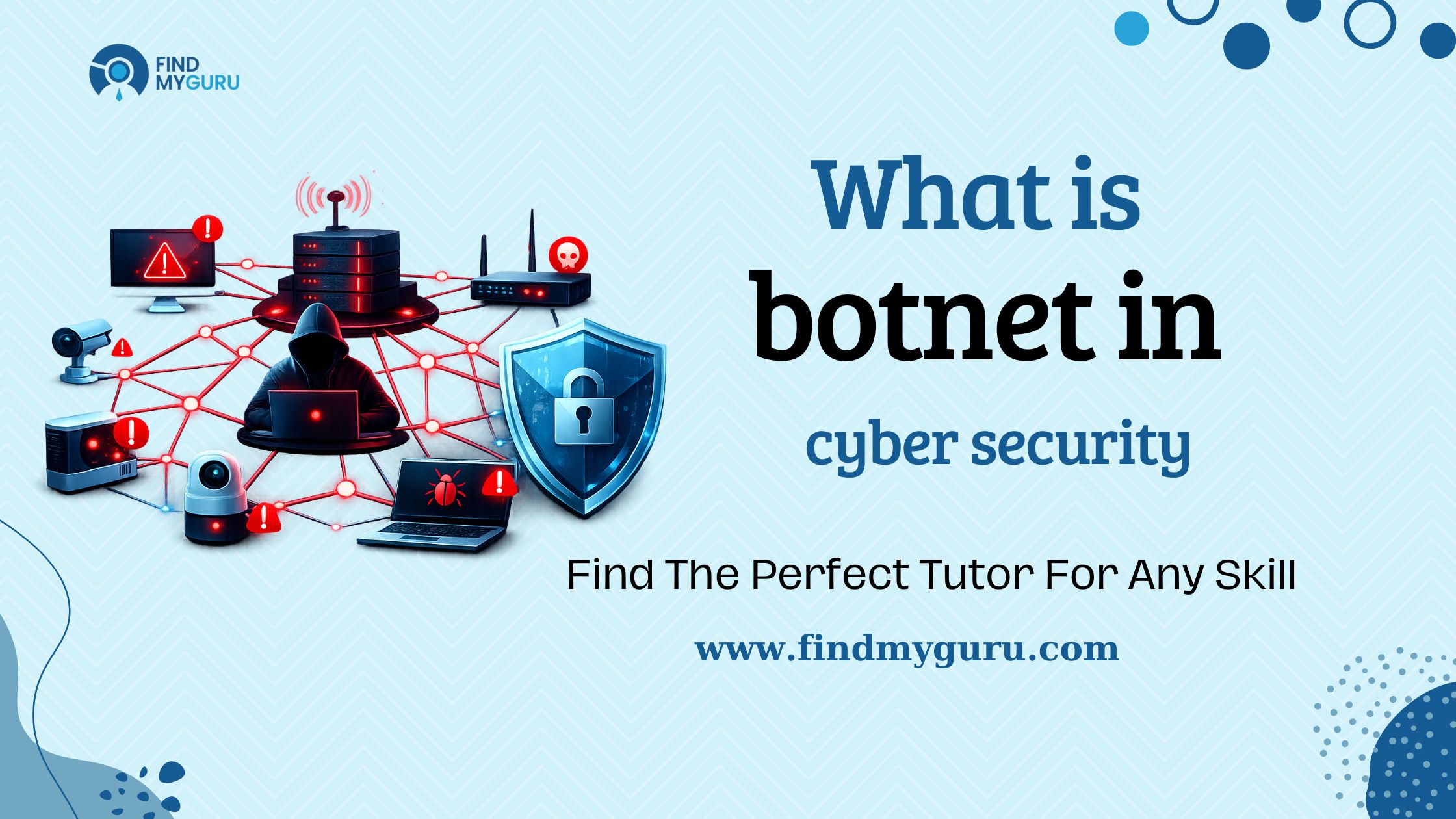
In cyber security, a botnet is a network of compromised computers and internet-connected devices that are controlled remotely by cyber attackers to perform malicious activities without the owners’ knowledge. Each infected device (called a bot or zombie) is manipulated by a central attacker known as a botmaster. Individually, these bots are powerless, but when organized into a botnet, they can execute large-scale attacks across the internet.

Botnets are a key tool in cybercrime, enabling attackers to automate attacks, steal data, disrupt online services, and exploit computing resources at scale. Because infected devices act covertly, users often remain unaware their systems have been compromised.

How Do Botnets Work?

Botnets operate through a systematic process that begins with infection and ends with coordinated attacks.

1. Infection – Devices become part of a botnet when malware infects them. This often happens through phishing emails, malicious downloads, software vulnerabilities, or insecure networks.

2. Command and Control (C&C) -  When a system is infected, it connects to a command-and-control (C2) server, which manages and controls the actions of the botnet devices.

3. Execution of Attacks – The C2 server sends commands to all compromised devices, instructing them to perform malicious tasks such as flooding traffic to a target or sending spam.

4. Persistence and Evasion – Advanced botnets use techniques to avoid detection and remain operational even after basic security scans.

This coordinated structure makes botnets a powerful threat infrastructure in modern cybercrime.

Why Are Botnets Created?

Botnets are created for multiple malicious purposes, including:

  • Distributed Denial-of-Service (DDoS) attacks: Overloading a target’s servers with traffic so that legitimate users cannot access services.

  • Spam distribution: Sending massive volumes of unsolicited emails that may contain phishing links or malware.

  • Credential theft: Harvesting login information using tools such as keyloggers.

  • Click fraud and ad manipulation: Generating fake ad clicks to defraud advertisers.

  • Cryptojacking: Using infected devices to mine cryptocurrency without the owner’s consent.

These motives range from financial gain to disruption and espionage.

Types of Botnets

Botnets vary in structure and attack methodology:

Centralized Botnets

Controlled through a single C2 server. Easy to manage but easier to detect and take down.

Decentralized (Peer-to-Peer) Botnets

Devices communicate among themselves without a single central point, making them harder for defenders to dismantle.

IoT Botnets

Exploit poorly secured Internet-of-Things (IoT) devices such as smart cameras and routers.

Different botnets use different protocols and infection strategies, adapting to environments where they can spread rapidly and evade detection.

Common Botnet Attacks

Botnets can carry out a wide range of cyberattacks. Understanding What is Identity Theft in Cyber Security is also important, as botnets are often used to steal personal information, credentials, and sensitive data that can contribute to identity theft and other cybercrimes.

  • Distributed Denial-of-Service (DDoS) – Flooding systems with traffic to cause service disruptions.

  • Spam and phishing campaigns – Mass email broadcasts that distribute malware or phishing links.

  • Credential theft and data exfiltration – Stealing sensitive user information.

  • Cryptojacking and malware spread – Using bots to mine cryptocurrency or deliver additional malware.

Each attack type can have serious consequences for individuals and organizations alike.

Signs Your Device May Be in a Botnet

Detecting botnet infections can be challenging, but certain indicators include:

  • Unexpected slow device performance

  • Unusual network traffic spikes

  • Devices overheating or running at high capacity

  • Outbound traffic to unknown servers

These symptoms often indicate that a device is communicating with a C2 server or conducting unauthorized activities.

How to Protect Against Botnets

Preventing botnet infections requires strong cyber hygiene and proactive security measures. Students and professionals can also benefit from online coaching classes that provide structured training on cyber security best practices, malware prevention, and threat awareness.

1. Keep Software Updated

Regularly update operating systems, applications, and firmware to patch vulnerabilities that botnet malware might exploit.

2. Use Antivirus and Anti-Malware Tools

Security software can detect and remove botnet malware before it connects to a C2 server.

3. Be Cautious with Emails and Links

Avoid clicking on suspicious emails or attachments, which are common infection vectors.

4. Secure IoT Devices

Change default passwords and update firmware on smart devices.

5. Monitor Network Traffic

Analyzing network behavior for unusual patterns can help identify and isolate compromised systems.

6. Implement MFA and Firewalls

Adding multiple layers of authentication and network defenses helps limit unauthorized access and botnet control.

Impact of Botnets

Botnets can cause significant harm:

  • Business disruption and downtime due to DDoS attacks.

  • Financial losses from fraud, data theft, or recovery costs.

  • Reputation damage due to compromised systems and customer data leaks.

High-profile botnet-driven DDoS attacks continue to challenge defenders, especially when powered by Internet-of-Things devices at massive scale.

Real-World Botnet Examples

Botnets like Mirai and Zeus have made headlines for infecting thousands of devices and executing high-impact attacks. Mirai targeted IoT gadgets, turning them into a powerful army for DDoS assaults, while Zeus was known for credential theft and financial fraud.

How FindMyGuru Helps You Learn About Cyber Threats

Understanding botnets and broader cyber security threats is essential for students and professionals in technology fields. Expert guidance can accelerate learning and build real-world skills. If you are preparing for a cyber security career or seeking deeper understanding of botnets, tutors specializing in cyber security can help you master these concepts and their applications. Learners can also find Indian gurus online to receive expert guidance, personalized mentoring, and support in developing practical cyber security skills.

Frequently Asked Questions (FAQ)

What is a botnet in cyber security?
A botnet is a network of malware-infected devices controlled by an attacker to perform malicious tasks like DDoS attacks or spam campaigns.

How do botnets spread?
Botnets spread through phishing emails, malicious downloads, software vulnerabilities, and insecure devices.

What are the most common uses of botnets?
Botnets are commonly used for DDoS attacks, spam distribution, credential theft, cryptojacking, and malware propagation.

Can a botnet infect smart devices?
Yes. IoT devices like smart cameras and routers are frequently targeted by botnets due to weak security.

Find My Guru Editorial Team

This article is produced by the Find My Guru Editorial Team, which includes education writers and subject specialists experienced in academic guidance, tutoring, and skill-based learning. Content is researched using reliable sources and reviewed internally to ensure accuracy, clarity, and relevance for students, parents, and tutors.

All content is created in line with Find My Guru’s Editorial Policy and quality standards.

what is botnet in cyber security

what is botnet in cyber security

In cyber security, a botnet is a network of compromised computers and internet-connected devices that are controlled remotely by cyber attackers to perform malicious activities without the owners’ knowledge. Each infected device (called a bot or zombie) is manipulated by a central attacker known as a botmaster. Individually, these bots are powerless, but when organized into a botnet, they can execute large-scale attacks across the internet.

Botnets are a key tool in cybercrime, enabling attackers to automate attacks, steal data, disrupt online services, and exploit computing resources at scale. Because infected devices act covertly, users often remain unaware their systems have been compromised.

How Do Botnets Work?

Botnets operate through a systematic process that begins with infection and ends with coordinated attacks.

1. Infection – Devices become part of a botnet when malware infects them. This often happens through phishing emails, malicious downloads, software vulnerabilities, or insecure networks.

2. Command and Control (C&C) -  When a system is infected, it connects to a command-and-control (C2) server, which manages and controls the actions of the botnet devices.

3. Execution of Attacks – The C2 server sends commands to all compromised devices, instructing them to perform malicious tasks such as flooding traffic to a target or sending spam.

4. Persistence and Evasion – Advanced botnets use techniques to avoid detection and remain operational even after basic security scans.

This coordinated structure makes botnets a powerful threat infrastructure in modern cybercrime.

Why Are Botnets Created?

Botnets are created for multiple malicious purposes, including:

  • Distributed Denial-of-Service (DDoS) attacks: Overloading a target’s servers with traffic so that legitimate users cannot access services.

  • Spam distribution: Sending massive volumes of unsolicited emails that may contain phishing links or malware.

  • Credential theft: Harvesting login information using tools such as keyloggers.

  • Click fraud and ad manipulation: Generating fake ad clicks to defraud advertisers.

  • Cryptojacking: Using infected devices to mine cryptocurrency without the owner’s consent.

These motives range from financial gain to disruption and espionage.

Types of Botnets

Botnets vary in structure and attack methodology:

Centralized Botnets

Controlled through a single C2 server. Easy to manage but easier to detect and take down.

Decentralized (Peer-to-Peer) Botnets

Devices communicate among themselves without a single central point, making them harder for defenders to dismantle.

IoT Botnets

Exploit poorly secured Internet-of-Things (IoT) devices such as smart cameras and routers.

Different botnets use different protocols and infection strategies, adapting to environments where they can spread rapidly and evade detection.

Common Botnet Attacks

Botnets can carry out a wide range of cyberattacks. Understanding What is Identity Theft in Cyber Security is also important, as botnets are often used to steal personal information, credentials, and sensitive data that can contribute to identity theft and other cybercrimes.

  • Distributed Denial-of-Service (DDoS) – Flooding systems with traffic to cause service disruptions.

  • Spam and phishing campaigns – Mass email broadcasts that distribute malware or phishing links.

  • Credential theft and data exfiltration – Stealing sensitive user information.

  • Cryptojacking and malware spread – Using bots to mine cryptocurrency or deliver additional malware.

Each attack type can have serious consequences for individuals and organizations alike.

Signs Your Device May Be in a Botnet

Detecting botnet infections can be challenging, but certain indicators include:

  • Unexpected slow device performance

  • Unusual network traffic spikes

  • Devices overheating or running at high capacity

  • Outbound traffic to unknown servers

These symptoms often indicate that a device is communicating with a C2 server or conducting unauthorized activities.

How to Protect Against Botnets

Preventing botnet infections requires strong cyber hygiene and proactive security measures. Students and professionals can also benefit from online coaching classes that provide structured training on cyber security best practices, malware prevention, and threat awareness.

1. Keep Software Updated

Regularly update operating systems, applications, and firmware to patch vulnerabilities that botnet malware might exploit.

2. Use Antivirus and Anti-Malware Tools

Security software can detect and remove botnet malware before it connects to a C2 server.

3. Be Cautious with Emails and Links

Avoid clicking on suspicious emails or attachments, which are common infection vectors.

4. Secure IoT Devices

Change default passwords and update firmware on smart devices.

5. Monitor Network Traffic

Analyzing network behavior for unusual patterns can help identify and isolate compromised systems.

6. Implement MFA and Firewalls

Adding multiple layers of authentication and network defenses helps limit unauthorized access and botnet control.

Impact of Botnets

Botnets can cause significant harm:

  • Business disruption and downtime due to DDoS attacks.

  • Financial losses from fraud, data theft, or recovery costs.

  • Reputation damage due to compromised systems and customer data leaks.

High-profile botnet-driven DDoS attacks continue to challenge defenders, especially when powered by Internet-of-Things devices at massive scale.

Real-World Botnet Examples

Botnets like Mirai and Zeus have made headlines for infecting thousands of devices and executing high-impact attacks. Mirai targeted IoT gadgets, turning them into a powerful army for DDoS assaults, while Zeus was known for credential theft and financial fraud.

How FindMyGuru Helps You Learn About Cyber Threats

Understanding botnets and broader cyber security threats is essential for students and professionals in technology fields. Expert guidance can accelerate learning and build real-world skills. If you are preparing for a cyber security career or seeking deeper understanding of botnets, tutors specializing in cyber security can help you master these concepts and their applications. Learners can also find Indian gurus online to receive expert guidance, personalized mentoring, and support in developing practical cyber security skills.

Frequently Asked Questions (FAQ)

What is a botnet in cyber security?
A botnet is a network of malware-infected devices controlled by an attacker to perform malicious tasks like DDoS attacks or spam campaigns.

How do botnets spread?
Botnets spread through phishing emails, malicious downloads, software vulnerabilities, and insecure devices.

What are the most common uses of botnets?
Botnets are commonly used for DDoS attacks, spam distribution, credential theft, cryptojacking, and malware propagation.

Can a botnet infect smart devices?
Yes. IoT devices like smart cameras and routers are frequently targeted by botnets due to weak security.

Find My Guru Editorial Team

This article is produced by the Find My Guru Editorial Team, which includes education writers and subject specialists experienced in academic guidance, tutoring, and skill-based learning. Content is researched using reliable sources and reviewed internally to ensure accuracy, clarity, and relevance for students, parents, and tutors.

All content is created in line with Find My Guru’s Editorial Policy and quality standards.

Start Your Teaching Journey Today

Join thousands of tutors who are sharing their knowledge and helping students succeed.

Start getting Students

Explore Tutors by Location and Skills

Find Expert tutors across India for Popular Subjects, Skills and Cities