what are the three goals of cybersecurity
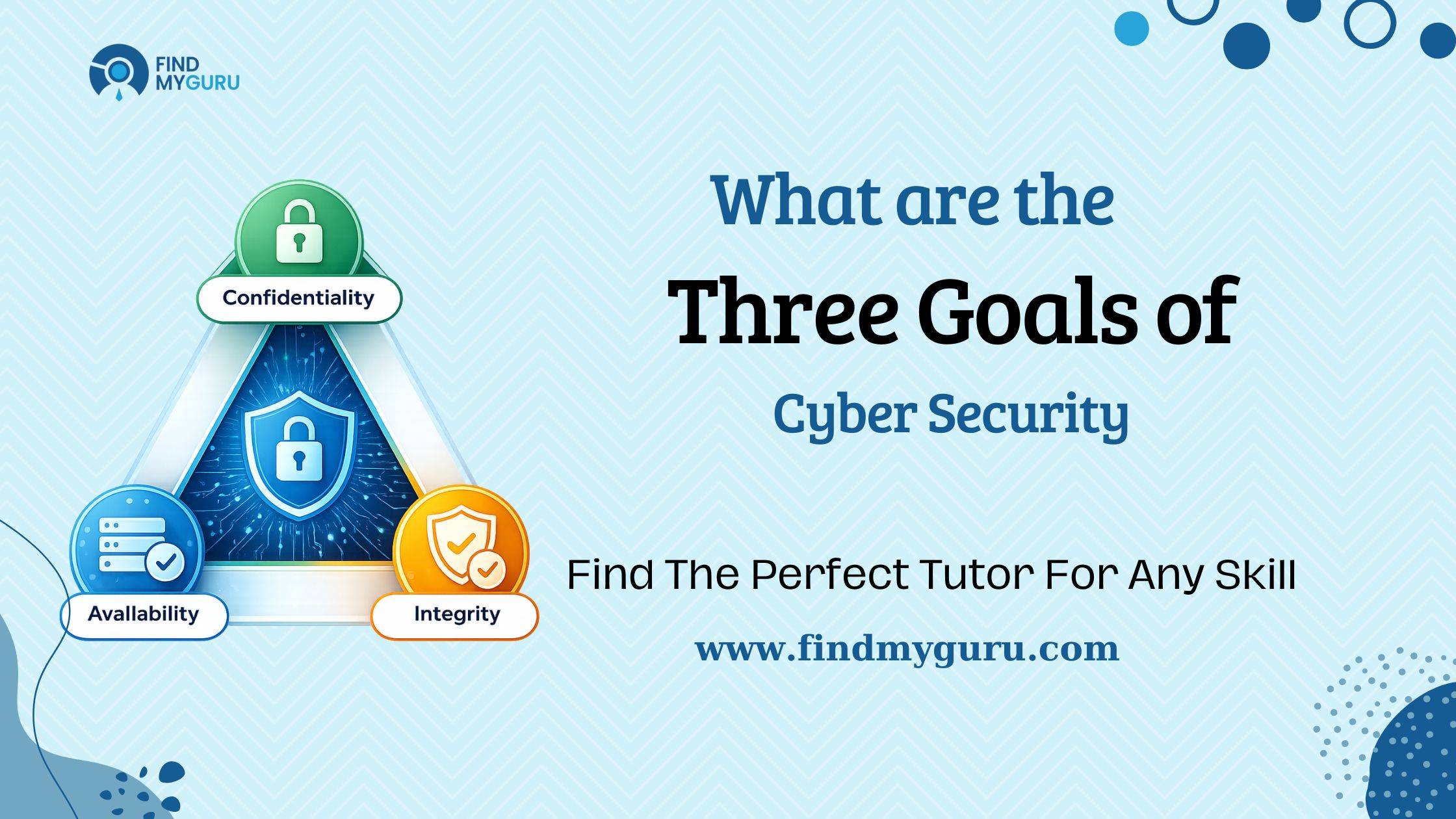
What Are the Three Goals of Cybersecurity?
Cybersecurity refers to the methods and technologies used to safeguard computer systems, networks, and digital information from cyber threats. As organizations and individuals increasingly depend on digital platforms, the importance of cybersecurity has grown significantly. At the core of cybersecurity strategy lies a well-defined framework known as the CIA Triad, which represents the three fundamental goals of cybersecurity: Confidentiality, Integrity, and Availability. Cybersecurity Career in India 2026 is also gaining attention as the demand for skilled security professionals continues to rise across industries.
Understanding these three goals helps businesses, students, and professionals build stronger security practices and protect critical information assets effectively.
Introduction to Cybersecurity Goals
Cybersecurity goals define what security measures aim to achieve. These goals ensure that sensitive data remains protected, information stays accurate, and systems remain accessible when needed. The CIA Triad forms the foundation for designing security policies, choosing tools, and responding to cyber threats.
With the rise of cybercrime, ransomware, and data breaches, knowledge of cybersecurity principles has become essential for learners and professionals. Platforms such as Findmyguru support students by connecting them with expert mentors and learning resources in cybersecurity and related technical fields.
What Are the Three Goals of Cybersecurity?
Goal 1 – Confidentiality
Confidentiality ensures that sensitive data is available only to individuals with proper authorization. It prevents unauthorized disclosure of personal, financial, or organizational data.
Key aspects of confidentiality include:
Protecting user credentials and passwords
Securing financial and medical records
Preventing data leaks and breaches
Common threats to confidentiality involve hacking, phishing attacks, malware, and insider misuse.
Methods used to maintain confidentiality include:
Encryption of data
Strong authentication mechanisms
Access control policies
Secure communication channels
Confidentiality builds trust between organizations and users and protects privacy in digital systems.
Goal 2 – Integrity
Integrity ensures that data remains accurate, consistent, and trustworthy throughout its entire lifecycle. It ensures that information is not altered intentionally or accidentally without authorization.
Integrity is critical for:
Financial transactions
Academic records
Government databases
Business decision-making systems
Threats to integrity include data tampering, viruses, system errors, and unauthorized modifications.
Techniques to ensure integrity include:
Hashing algorithms
Digital signatures
Audit logs
Version control systems
When integrity is compromised, organizations may face incorrect reporting, legal issues, and loss of credibility.
Goal 3 – Availability
Availability ensures that systems, services, and data are accessible when authorized users need them. It protects against disruptions that prevent access to information.
Availability is essential for:
Online banking platforms
Healthcare systems
Cloud services
Emergency response networks
Common threats include denial-of-service attacks (DDoS), hardware failures, power outages, and natural disasters.
Measures to ensure availability include:
Backup and recovery systems
Redundant servers
Load balancing
Network monitoring
High availability supports business continuity and uninterrupted operations.
The CIA Triad – Foundation of Cybersecurity Strategy
Why the CIA Triad Is Important
The CIA Triad works as an integrated security model. Each goal supports the others, and weakness in one area can compromise overall security. For example, protecting data confidentiality is ineffective if systems are not available, and availability is meaningless if data integrity is lost.
Organizations use the CIA Triad to:
Design security architectures
Perform risk assessments
Develop compliance policies
Train employees on security best practices
The Three Goals in Combination
Cybersecurity is about balance. Increasing confidentiality with strong encryption must not reduce system availability. Ensuring availability should not allow unauthorized access. Effective cybersecurity strategies consider trade-offs between these goals to minimize risks, and many learners also find tutors near me to better understand complex cybersecurity concepts.
Real-World Examples of the Three Goals of Cybersecurity
Confidentiality Examples
Banking customer account details
Healthcare patient medical records
Corporate intellectual property
Integrity Examples
Online exam results
E-commerce transaction data
Government census records
Availability Examples
Airline booking systems
Cloud storage platforms
Emergency communication services
These examples show how cybersecurity directly impacts everyday digital life.
Tools and Technologies Used to Achieve the Three Goals
Tools for Ensuring Confidentiality
Encryption software
Multi-factor authentication
Secure access management systems
Tools for Ensuring Integrity
Cryptographic hash functions
Digital certificates
File integrity monitoring
Tools for Ensuring Availability
Firewalls
Intrusion detection systems
Backup and disaster recovery solutions
Learning to use these tools effectively is a key part of cybersecurity education. Students interested in professional training can explore guided learning with experienced mentors through online cybersecurity tutors who focus on foundational security concepts and practical skills.
How Organizations Implement the Three Goals of Cybersecurity
Organizations apply cybersecurity goals through:
Security policies and compliance frameworks
Regular system audits
Risk management strategies
Employee awareness programs
Incident response planning
These steps help create a structured and proactive security environment.
Challenges in Achieving Cybersecurity Goals
Despite technological advances, several challenges remain:
Rapidly evolving cyber threats
Human error and weak passwords
Budget and resource constraints
Legacy systems lacking security updates
Continuous monitoring and regular training are essential to overcome these challenges.
Why the Three Goals of Cybersecurity Matter in Real Life
The CIA Triad protects:
Business operations from disruption
User privacy and personal data
National infrastructure systems
Trust in digital services
Failure to uphold these goals can lead to financial loss, legal consequences, and reputational damage.
Frequently Asked Questions (FAQ)
What are the three main objectives of cybersecurity?
The three objectives are confidentiality, integrity, and availability.
Why is the CIA Triad important in cybersecurity?
It provides a structured framework for designing and evaluating security controls.
Can one goal exist without the others?
No. All three goals must work together to achieve effective security.
What happens if one goal fails?
Failure of one goal weakens the entire security system and increases vulnerability to attacks.
Are the three goals enough for complete cybersecurity?
They form the foundation, but modern cybersecurity also includes authentication, non-repudiation, and compliance measures.
Key Takeaways on the Three Goals of Cybersecurity
Confidentiality protects data from unauthorized access.
Integrity ensures information remains accurate and unaltered.
Availability guarantees systems and data are accessible when required.
Together, these three goals form the backbone of cybersecurity strategy and guide organizations in building secure digital environments.