what is grc in cyber security
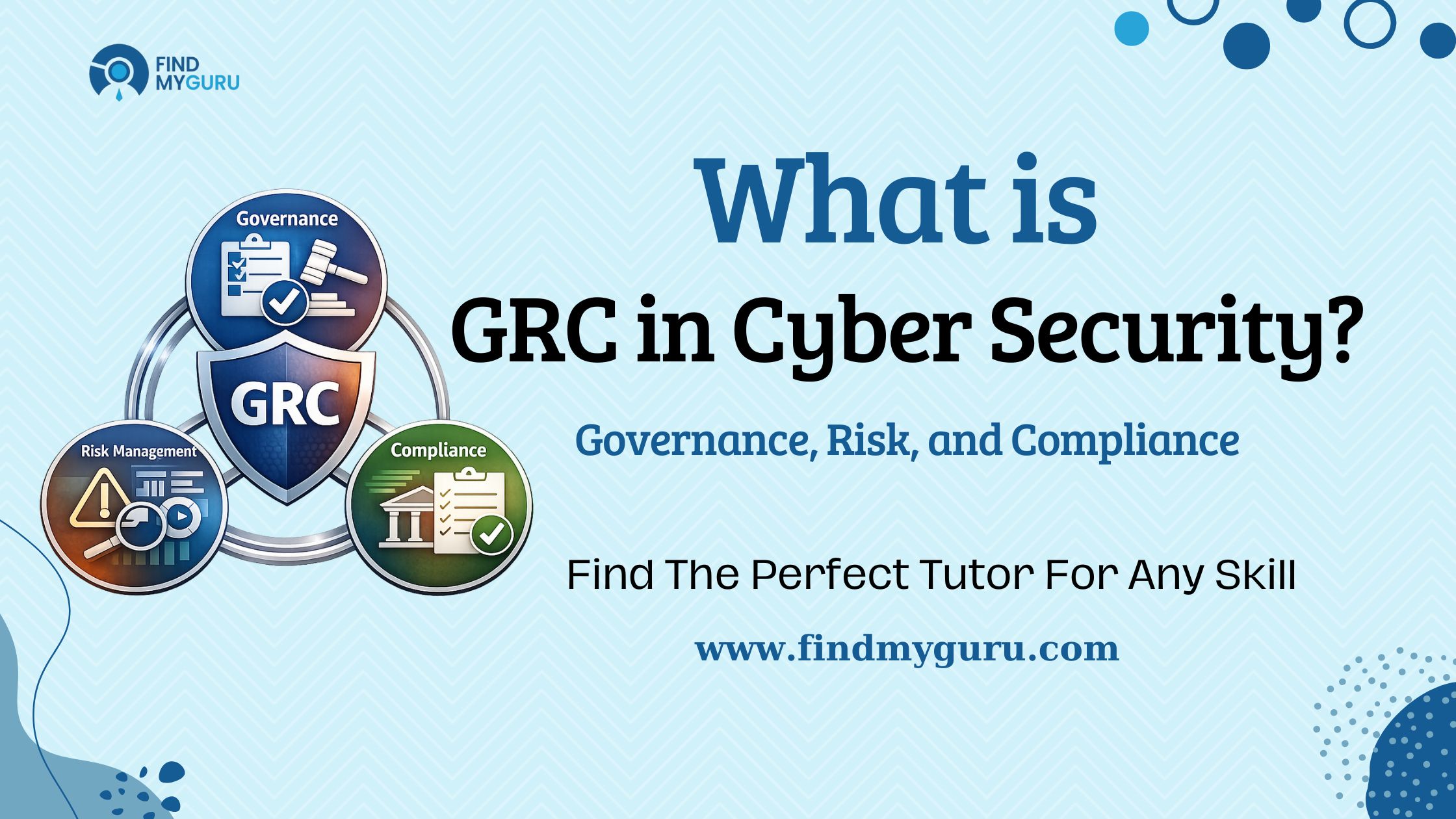
Governance, Risk, and Compliance (GRC) in cyber security is an integrated framework that helps organizations align their security strategies with business goals, manage cyber threats and vulnerabilities, and ensure compliance with regulatory standards. GRC provides a structured approach to policy making, risk assessment, and adherence to laws and industry norms to reduce security breaches and operational failures.
By combining governance, risk management, and compliance, organizations can establish clear security policies, identify and mitigate risks systematically, and maintain regulatory adherence. This unified strategy strengthens overall cyber resilience and improves stakeholder trust.
What Does GRC Stand For?
Governance refers to establishing policies, leadership accountability, and procedures that align cyber security efforts with an organization’s strategic objectives. It ensures that security goals support broader business outcomes.
Risk Management involves identifying, assessing, prioritizing, and mitigating cyber risks before they lead to significant damage. It uses structured frameworks to evaluate threat likelihood and impact.
Compliance means fulfilling legal, regulatory, and industry standards. This includes data protection laws like GDPR, ISO/IEC 27001 frameworks, and audit requirements that help organizations avoid fines and reputational damage.
Together, these components form a unified GRC strategy that enhances security posture and operational effectiveness.
Why Is GRC Important in Cyber Security?
GRC is essential because cyber threats continue to grow in complexity and frequency. By implementing GRC, organizations can:
Ensure cyber security activities support business strategy and priorities.
Identify and manage risks before they escalate into breaches.
Maintain compliance with evolving regulatory obligations.
Reduce operational inefficiencies by unifying security, risk, and compliance efforts.
A robust GRC framework reduces redundancies, improves transparency, and enables more effective decision-making at all levels of the organization.
Components of GRC in Cyber Security
Governance
Governance establishes strategic direction and accountability for cyber security initiatives. It includes developing policies, assigning roles, defining responsibilities, and implementing oversight mechanisms to ensure adherence to security plans.
Risk Management
Risk management focuses on identifying potential threats that could impact data, systems, or operations. It assesses the likelihood and impact of these risks and implements controls to mitigate them proactively. Tools like risk matrices and threat models are commonly used.
Compliance
Compliance ensures that an organization meets its regulatory, legal, and contractual obligations. This involves conducting audits, documenting compliance efforts, and continuously monitoring changes in legal requirements.
These three components work in tandem to create a resilient security framework that protects data, maintains trust, and supports regulatory compliance.
How GRC Works in Cyber Security
A GRC framework starts with establishing policies (governance), identifying and evaluating risks (risk management), and mapping controls to satisfy regulatory standards (compliance). Technology and tools such as GRC platforms, risk assessment software, and real-time monitoring systems help automate and streamline these activities. Understanding these components is an important part of How to Learn Cyber Security, as they form the foundation of effective security governance and risk management.
Continuous monitoring ensures that policies are followed and that changes in the threat landscape are identified and addressed quickly. Reporting tools provide insights to leadership for data-driven decision-making and risk prioritization.
Common GRC Tools and Software
GRC tools assist with risk tracking, compliance documentation, audit management, and policy enforcement. These platforms provide dashboards, automated workflows, and real-time alerts to simplify risk and compliance operations across departments.
Some typical GRC tools include risk assessment solutions, compliance-mapping software, audit management systems, and integrated platforms that bring governance, risk, and compliance together.
Benefits of Effective GRC Practices
Implementing a GRC framework delivers several benefits:
Improved Decision-Making: Centralized risk and compliance data enable informed strategic planning.
Enhanced Risk Visibility: Organizations gain insights into current and potential threats.
Streamlined Compliance: Automated processes reduce audit time and effort.
Operational Efficiency: Unified approaches eliminate redundancies and enhance productivity.
Stronger Stakeholder Trust: Demonstrating adherence to standards builds confidence with customers and partners.
Challenges in GRC Implementation
Despite its benefits, GRC implementation can be complex. Organizational silos, lack of senior leadership support, insufficient resources, and difficulty integrating tools are common hurdles. GRC requires coordination among various teams and continuous updates to stay aligned with changing security threats and regulations.
How to Implement GRC in Cyber Security
Successful GRC implementation typically follows these steps:
Define objectives and scope: Establish what the organization must protect and why.
Identify risks and regulations: Understand applicable threats and legal requirements.
Develop policies and controls: Set governance guidelines and risk mitigation strategies.
Select appropriate tools: Use GRC platforms to automate monitoring and reporting.
Monitor and review: Continuously assess performance and compliance.
This systematic approach ensures that GRC efforts remain aligned with business needs and evolving cyber risks.
Why GRC Matters in Modern Cyber Security
In today’s digital landscape, where regulatory requirements and cyber threats evolve rapidly, GRC frameworks help organizations maintain resilience and regulatory alignment. They ensure that every aspect of security—from policy formulation to risk mitigation and audit compliance—is integrated with business strategy.
GRC also enables organizations to balance innovation with security by providing frameworks that support secure growth and risk-informed decision-making. Similar to how north India tutors online help students access structured learning and expert guidance remotely, GRC frameworks provide organizations with a structured approach to managing governance, risk, and compliance effectively..
How FindMyGuru Helps Learners Understand GRC in Cyber Security
For students and professionals entering cyber security, mastering GRC concepts is crucial. Structured guidance from experienced tutors can make complex topics like governance frameworks, risk management mechanisms, and compliance standards easier to understand.
If you are seeking expert support to learn how GRC applies to cyber security careers or certifications, consider connecting with trained tutors. Platforms that offer online tutors by skill can help learners find qualified cyber security educators based on their specific learning goals and requirements.
Frequently Asked Questions (FAQ)
What is GRC in cyber security?
GRC stands for Governance, Risk, and Compliance. It is a framework that integrates policies, risk evaluation, and regulatory adherence to enhance an organization’s cyber security posture.
Why is GRC important for organizations?
GRC ensures that risk management and compliance efforts align with business strategy, improving security and reducing regulatory and operational risks.
What are the three components of GRC?
Governance provides direction and policy; risk management identifies and prioritizes threats; compliance ensures adherence to legal and regulatory standards.
How does GRC support compliance?
GRC frameworks automate documentation, monitoring, and audit activities to ensure continuous regulatory adherence.