
Fitness Couch
8 Yrs
Skills: Female Fitness Training, Kickboxing, Boxing, Fitness Trainner, Fitness, Posture Correction, Strength training, Pilates instructor



Rounded shoulders, a stiff neck and a lower back that aches by 4 pm are usually habits, and habits can be retrained. On FindMyGuru you can learn posture correction online in live 1:1 sessions with a verified coach who watches your movement on video, builds a routine around your day and adjusts it every week. Start with a trial session, compare coach profiles and fees openly, and begin fixing how you sit, stand and move.
8 Yrs
Skills: Female Fitness Training, Kickboxing, Boxing, Fitness Trainner, Fitness, Posture Correction, Strength training, Pilates instructor

3 Yrs
Skills: Fitness Trainner, Fitness, Personal Trainer, Muscle strengthening, Running, Posture Correction, Strength training, Pilates instructor

6 Yrs
Skills: Face Yoga, Female Fitness Training, Health and Wellbeing, Yoga (surya Namaskar), Pranayam, Teachers Training Yoga, yoga, Fitness, Ashtanga Yoga, Personal Trainer, Posture Correction

3 Yrs
Skills: Gym, Fitness Trainner, Personal Trainer, Muscle strengthening, Posture Correction, Strength training, Pilates instructor
8 Yrs
Skills: Bodyweight Training, Gym, Fitness Trainner, Fitness, Weightloss, Personal Trainer, Ear Training, Muscle strengthening, Running, Posture Correction, Strength training, Pilates instructor

6 Yrs
Skills: Human Anatomy, Human Biomechanics, Fitness Trainner, Fitness, Weightloss, Personal Trainer, Muscle strengthening, Posture Correction, Strength training, Pilates instructor
1 Yrs
Skills: Female Fitness Training, Gym, Zumba, Dance Fitness, Personal Trainer, Posture Correction, Strength training, Pilates instructor
10 Yrs
Skills: Female Fitness Training, Fitness Trainner, Personal Trainer, Posture Correction, Strength training, Pilates instructor
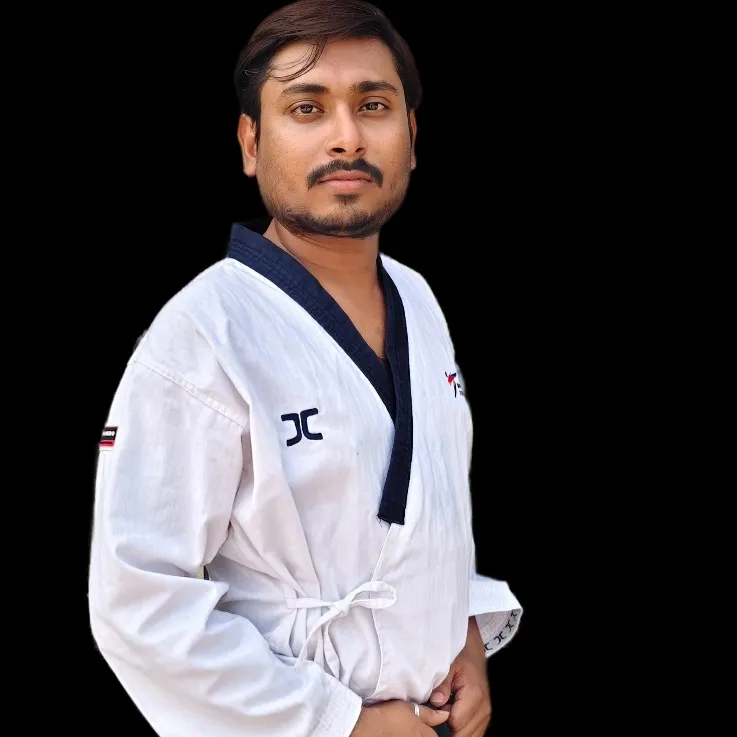
12 Yrs
Skills: Taekwondo, Fitness Trainner, Posture Correction, Pilates instructor
5 Yrs
Skills: Female Fitness Training, Boxing, Kickboxing and General Body Fitness, Yoga (surya Namaskar), Yoga for Back Pain and Spine Related Problems, Karate, yoga, Posture Correction
13 Yrs
Skills: Boxing, Kickboxing and General Body Fitness, Karate, Fitness Trainner, Fitness, Personal Trainer, Muscle strengthening, Running, Posture Correction, Strength training, Pilates instructor
Browse qualified tutors, compare profiles, and connect directly.

Join thousands of tutors who are sharing their knowledge and helping students succeed.


We'll match you with tutors based on your goals, budget, and schedule.
Chat With UsPosture correction coaching teaches you to spot the habits behind rounded shoulders, forward head posture and a tight lower back, then retrain your body with targeted mobility, strength and daily-movement work. It suits desk workers, students, gamers, new parents and anyone whose neck or back complains after a long day. On FindMyGuru, you can learn posture correction online with a verified posture correction coach online who watches your form on video, builds a routine around your schedule and adjusts it as you progress. This page explains what a posture correction course covers, how coaching compares with other options, how the levels progress and how to book your first trial session.
Most posture problems are not caused by one bad moment. They build from hours in the same position: a laptop below eye level, a phone held at chest height, a chair that lets the pelvis tuck under. Over months, some muscles shorten and others switch off, and the body starts to treat the slouch as normal.
Learning this online works well for three reasons.
Your real environment is the classroom. A coach can look at your actual desk, chair and screen height over video and fix them in the same session. A studio cannot show you what your workspace looks like.
Practice happens daily, not weekly. Posture change comes from short, frequent repetition. An online coach can review a two-minute clip you record on Tuesday instead of waiting for next week's class.
Scheduling is realistic. Early-morning or late-evening slots are easier to keep when there is no commute.
The payoff is practical: less end-of-day stiffness, easier breathing when you sit upright, better endurance for long study or work blocks, and more confidence in how you carry yourself. Many learners also come to posture work to support gym training, yoga, running or recovery after a period of inactivity.
A note on scope: a posture coach teaches movement, habits and ergonomics. A coach is not a doctor or a physiotherapist. If you have persistent pain, numbness, tingling, a diagnosed spinal condition or a recent injury, get a medical assessment first and share the advice with your coach so the plan fits it.
A good posture correction course does not hand you a random list of stretches. It moves from assessment to habit change to strength. Here is what a typical programme on FindMyGuru covers.
Module | What it covers | What you can do afterwards |
|---|---|---|
Posture assessment | Standing and seated photo checks, plumb-line alignment, wall test, shoulder and hip level comparison | Identify your own patterns, such as forward head, rounded shoulders, anterior pelvic tilt or uneven weight-bearing |
Breathing and rib-cage position | Diaphragmatic breathing, rib flare control, 90/90 breathing drills | Stack ribs over pelvis and reduce neck and shoulder tension |
Mobility work | Thoracic spine extension, chest and hip flexor release, neck and upper-trap mobility | Restore range that desk hours take away |
Activation and strengthening | Deep neck flexors, lower and mid trapezius, serratus anterior, glutes, core bracing | Hold better alignment without constant effort |
Ergonomics | Monitor height, chair and keyboard setup, laptop stands, standing-desk use, phone-holding habits | Set up a workspace that supports you, using the same logic behind RULA-style ergonomic checks |
Movement re-education | Sitting to standing, hip hinge, walking gait cues, carrying a bag, sleeping positions | Carry good posture into ordinary movement, not just exercise time |
Habit design | Micro-breaks, the 20-20-20 screen rule, reminder systems, weekly self-check photos | Make the changes stick after coaching ends |
Coaches may draw on frameworks such as corrective exercise from NASM or ACE programmes, the Functional Movement Screen, Pilates or yoga-based alignment, and the Janda approach to upper-crossed and lower-crossed patterns. Ask a coach which method they use and how they were trained. The answer tells you a lot.
Every coach profile on FindMyGuru goes through verification before it appears. You can read each coach's background, teaching style, languages and learner feedback before you spend anything.
Group videos treat every body the same. In a live 1:1 session, your coach looks at your own alignment, corrects your reps in the moment and changes the plan when your shoulder or hip behaves differently from the textbook.
Choose slots that suit your day, such as before work, at lunch or after dinner. Rescheduling is handled through the platform, so a missed slot does not mean a lost month.
Book a trial session first to check whether the coach's style suits you. Coaches list their fees on their profiles, so you can compare options before you commit and avoid surprises later.
People search for this help under many names, and the roles overlap. Here is how they differ in practice.
Role | Best for | Typical approach |
|---|---|---|
Posture correction private tutor | Learners who want to understand the why: anatomy basics, posture types, how to self-assess | Structured lessons with homework and explanations |
Posture coach | Learners who want daily-life change | Assessment, custom routine, weekly check-ins and habit tracking |
Posture correction mentor online | People who already train or practise yoga and want guidance on refining alignment | Periodic review, feedback on videos, goal setting |
Posture coach trainer near me (in-person trainer) | People who need hands-on cueing and equipment | Gym or studio sessions with physical corrections |
Posture correction coaching center | Learners who prefer a fixed centre and group routine | Scheduled batches, shared equipment, less personalisation |
If your main goal is to change how you sit and move at work every day, a coach or private tutor working with you 1:1 online is usually the most direct route. If you also want physical adjustments and equipment, an in-person trainer can be added later.
Many learners begin by searching for "posture improvement classes near me" or "home tutoring near me". Here is how the main formats compare.
Factor | Online 1:1 coaching | Home tutoring / private tutoring near me | Coaching center near me |
|---|---|---|---|
Cost | Usually the most affordable per session, no travel | Higher, because of travel time and fees | Moderate, but fixed monthly packages |
Flexibility | High: early, late and weekend slots | Medium: depends on the coach's route | Low: set batch timings |
Personalisation | High: plan built for your body and workspace | High during the visit, low between visits | Low to medium: groups share one routine |
Workspace review | Yes, on video | Yes, if at your workplace | No |
Progress tracking | Photos, video clips and weekly reviews | Session notes | Varies by centre |
Choice of coaches | Wide, across cities | Limited to your area | One centre's staff |
Online coaching is not always the right fit. If you need hands-on manual correction or specialised equipment, a local trainer or a coaching center may help. Many learners combine both: online sessions for daily habits, and an occasional in-person check.
Heavy backpacks, long hours on low desks and hours on phones can show up as slouching and neck strain in teenagers. A coach can teach a short daily routine, safe bag-carrying habits and how to set up a study desk. Parents should be present or nearby for sessions with younger learners.
Late-night laptop use on beds and sofas is the classic culprit. Coaches can show you how to build a compact study setup, use a laptop stand and take quick reset breaks between lectures and assignments.
This group is the largest on the platform. Nine-hour desk days, video calls and long commutes tighten the chest and hip flexors and weaken the upper back. Sessions focus on workstation setup, breathing, and five-minute routines you can do between meetings.
Good alignment helps you lift, stretch and run better. Coaches can review your squat, hinge or overhead position and connect posture work to your existing training.
New parents spend hours feeding and carrying, and older adults want to stay upright and steady. Coaches can teach gentler, lower-impact routines and lifting or carrying techniques that protect the back.
You learn to see your own posture. Your coach runs an assessment, teaches breathing and rib-cage stacking, introduces basic mobility for the chest and upper back, and fixes your workstation. Sessions are short and gentle, with a five to ten minute daily routine.
Now the focus shifts to strength. Expect deep neck flexor work, rows and band pull-aparts for the mid and lower traps, glute bridges, planks and hip hinges. Your coach reviews videos of your reps and progresses the difficulty as your control improves.
You practise holding alignment under load and during longer tasks. Programmes include single-leg work, carries, loaded hinges, walking and running gait cues, and a self-maintenance plan. Some learners continue toward a corrective exercise, Pilates or yoga teacher qualification.
Level | Focus | Typical session frequency |
|---|---|---|
Beginner | Awareness, breathing, mobility, workstation setup | 1 to 2 times a week |
Intermediate | Activation, strength, movement patterns | 1 to 2 times a week |
Advanced | Load, gait, self-programming | Weekly or fortnightly |
Yes, for most functional posture habits. Muscles can be strengthened, mobility can improve and daily habits can change at any age. Structural conditions, such as certain spinal curvatures, interview communication classes online and need medical guidance first, and a coach will work alongside your doctor's advice.
Most learners notice less stiffness and better awareness within three to four weeks of consistent practice. Visible changes in alignment usually take two to three months, and lasting change needs regular reinforcement.
Not to begin with. A wall, a chair, a towel and some floor space are enough for the first weeks. Coaches may later suggest a light resistance band, a foam roller or a laptop stand.
Search. Use the tutor listings on this page to browse posture correction coaches online.
Compare profiles. Read each coach's experience, training background, learner feedback, languages and fees.
Book a trial session. Meet your coach, share your goals and get a quick posture check.
Start learning. Agree on a schedule and begin your personalised plan, with regular reviews of your progress.
Fees vary by coach, experience and session length. Each coach on FindMyGuru lists their rate on their profile, so you can compare before booking. A trial session lets you check the fit before you commit to a package.
Yes. Beginner programmes assume no background. Your coach starts with a simple posture check, basic breathing and gentle mobility, then builds up slowly as your control improves.
A posture correction course usually follows a fixed syllabus over a set number of weeks. Posture correction classes online with a 1:1 coach are tailored to you and can change every week. Many learners find personalised sessions faster for daily-life habits.
Most people notice less stiffness in three to four weeks and clearer changes in two to three months. The timeline depends on how often you practise, your starting habits and how much time you spend seated.
A private tutor or coach gives you 1:1 attention and a plan built around your body and workspace. A posture correction coaching center offers fixed batches and group routines, which can suit people who prefer a set schedule. Choose based on how much personalisation you need.
FindMyGuru connects you with coaches for online sessions, so location does not limit your choice. If you also want in-person help, you can begin online and add a local trainer later.
Talk to a doctor or physiotherapist first, especially if you have persistent pain, numbness, tingling or a diagnosed spinal condition. A posture coach can then adapt gentle movement work to their advice. Tell your coach about any injury or medical history before the first session.