
Yoga instructor
6 Yrs
Skills: Mindfulness, Pranayama - Breathing Techniques, Stress Management, Meditation, yoga, Hatha yoga, vinyasa yoga, Anxiety Management Coaching



Racing thoughts before an exam, a tight chest before a presentation, a mind that won't switch off at night. These are learnable problems, and there are practical skills for handling them. On FindMyGuru, you can learn anxiety management online with a verified coach who builds a plan around your triggers, your schedule and your goals, one-to-one, at a pace that suits you. Book a trial class and see how it feels before you commit.
6 Yrs
Skills: Mindfulness, Pranayama - Breathing Techniques, Stress Management, Meditation, yoga, Hatha yoga, vinyasa yoga, Anxiety Management Coaching

04 Yrs
Skills: Pranayam, Yoga and Yoga Therapy, Yoga Asanas, Stress Management, Meditation, yoga, Hatha yoga, Anxiety Management Coaching
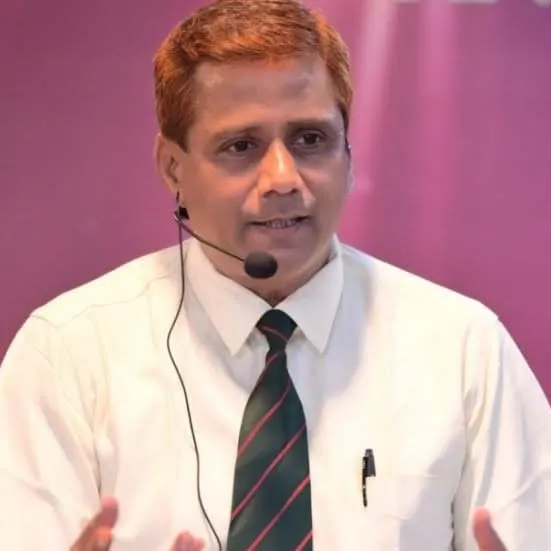
25 Yrs
Skills: Effective Communication Skills, Advanced Soft Skills, Life Coach, Emotional Wellness, Enhancing Soft Skills and Personality, Skill Development, Time Management, Soft Skills, Interpersonal Skills, Self-motivation, Stress Management, Presentation Skills, Management Skills, Personal Development, Self-confidence, Social Skills, Critical Thinking, Communication Skills, Smart Thinking, Professional coaching, Habit Building Coaching, Anxiety Management Coaching
8 Yrs
Skills: Mindfulness, Health and Wellbeing, Mental Wellness, Pranayama - Breathing Techniques, Stress Management, Meditation, yoga, Anxiety Management Coaching
6 Yrs
Skills: Meditation and Mindful Living, Breathwork and Meditation, Mental Wellness, Mindfulness Training, Yoga and Meditation, Stress Management, Meditation, Yoga flow, Anxiety Management Coaching
1 Yrs
Skills: Body, Mind and Breath Yoga, Meditation and Mindful Living, Pranayama - Breathing Techniques, Breathing Exercises, Stress Management, Meditation, Communication Skills, yoga, vinyasa yoga, Vinyasa Flow, Anxiety Management Coaching
Browse qualified tutors, compare profiles, and connect directly.

Join thousands of tutors who are sharing their knowledge and helping students succeed.


We'll match you with tutors based on your goals, budget, and schedule.
Chat With UsAnxiety management coaching is structured, skills-based guidance that teaches you how to recognise anxious thinking, calm your body's stress response and act despite worry. It is for students facing exams, professionals dealing with performance pressure, parents, and adults who feel constantly on edge but don't need clinical treatment. On FindMyGuru, you can work with an anxiety management coach online in private sessions, learn techniques such as paced breathing, grounding and cognitive reframing, and practise them between sessions with your coach's feedback. This is coaching and skill-building, not therapy, and a good coach will tell you clearly when a situation needs a doctor or a licensed psychologist instead.
Anxiety is a normal alarm system that sometimes fires when there is no real danger. Managing it is a set of habits you can train, much like fitness or a language. Doing that training online has practical advantages.
You can start from where you are. Many people first notice anxiety in a specific place: the exam hall, the office meeting, the drive to work. Online sessions let you talk through those moments from a familiar room, which often makes it easier to be honest about what is happening.
You get consistent access. Anxiety does not follow a timetable. With online anxiety management classes, you can book weekly sessions, add a short check-in before a big event, or pause when life gets busy, without commuting.
The benefits show up in ordinary life:
Clearer thinking during exams, interviews and deadlines
Better sleep once bedtime worry has a routine to follow
Fewer avoided situations, such as skipped classes, unanswered calls or declined opportunities
Steadier relationships, because you react less to small stresses
Career relevance: presentation confidence, decision-making under pressure and emotional regulation are valued in nearly every workplace
Students, working professionals, new parents, people returning to work after a break, and teenagers with a parent's support. It is also useful for people who want to train as coaches themselves and are looking for anxiety coaching training that goes beyond theory.
A good anxiety coaching course moves from understanding, to body skills, to thinking skills, to behaviour change. The table shows what a typical programme on FindMyGuru covers. Your coach adjusts the order to your goals.
Module | What you practise | Where it helps |
|---|---|---|
Understanding anxiety | How the fight-or-flight response works, common triggers, the difference between worry, stress and panic | Removing the fear of the sensations themselves |
Breathing and body regulation | Diaphragmatic breathing, box breathing, extended-exhale breathing, progressive muscle relaxation | Racing heart, tight chest, shaky hands |
Grounding techniques | 5-4-3-2-1 sensory grounding, orienting, cold-water and posture resets | Sudden spikes before a test or talk |
Thought work | Spotting catastrophising, thought records, cognitive reframing, worry postponement | Overthinking, "what if" spirals |
Graded exposure | Building a fear ladder and taking small, planned steps toward avoided situations | Public speaking, social settings, travel |
Sleep and daily routine | Wind-down routines, caffeine timing, screen habits, movement | Night-time worry, low energy |
Mindfulness practice | Short guided practices, journaling, body scans | Staying present instead of predicting problems |
Relapse planning | Recognising early warning signs, building a personal toolkit | Keeping progress after the sessions end |
Coaches often use simple self-check questionnaires, such as the GAD-7, to track how your symptoms change over weeks. These are screening aids, not diagnoses.
Choosing who to trust with something personal matters. FindMyGuru is built around that decision.
Verified tutors and coaches. Profiles are reviewed before they go live, so you can compare qualifications, experience and teaching approach with confidence.
Personalised 1:1 sessions. Your coach works with your triggers, not a generic script. A student with exam panic and a manager with meeting anxiety need different plans.
Flexible online scheduling. Pick evening, weekend or early-morning slots that fit your routine.
Trial class. Meet the coach, explain your situation and try one technique before deciding to continue.
Transparent fees. Session rates are visible on each profile, so there are no surprises after the first class.
Your choice of coach. Filter by language, experience and learner type, and switch if the fit isn't right.
These words are used loosely, so here is how they differ in practice.
Role | What they do | Best for |
|---|---|---|
Anxiety coach / private tutor | Teaches specific techniques, sets practice tasks and reviews progress in 1:1 sessions. On FindMyGuru, an anxiety coach private tutor works to a plan with clear milestones. | Learners who want structured, hands-on skill building |
Teacher | Delivers a set curriculum to a group, usually with limited individual attention | People who want the theory and are happy to learn in a class |
Anxiety management mentor online | Shares lived experience and guidance over time, often less structured | People who want ongoing encouragement and perspective |
Trainer | Runs workshops or certification-style programmes, often for teams or aspiring practitioners. Anxiety coach trainer near me searches usually mean this. | Workplaces, and people seeking anxiety coaching training to become coaches |
Anxiety management coaching center | An institute offering scheduled batches and set fees | Learners who prefer a fixed group environment |
If you are unsure, start with a 1:1 coach. You can always add a workshop or group later.
Many people search for "stress and anxiety classes near me" and then discover how few local options exist, and how little privacy some of them offer. Here is how the formats compare.
Factor | Online 1:1 (FindMyGuru) | Home tutoring near me | Coaching center near me |
|---|---|---|---|
Cost | Usually lower, with rates shown up front | Often higher, with travel time built in | Fixed batch fees, often paid in advance |
Flexibility | High: evenings, weekends, easy rescheduling | Depends on the tutor's local availability | Low: fixed batch timings |
Personalisation | Full plan built around your triggers | High, but limited to nearby tutors | Low: one programme for the whole group |
Privacy | Private, from a place you choose | Private, but someone may be home | Shared room with strangers |
Choice of coach | Wide: filter by language, experience and specialism | Small local pool | One or two instructors |
Best for | Most learners, especially those with busy schedules | Younger learners who need in-person presence | People who like group energy |
For a topic as personal as anxiety, privacy and fit tend to matter more than distance, which is why most learners choose private tutoring near me from home through an online format.
Exam anxiety, fear of being called on in class and worry about results are common in Class 9 to 12. Coaches teach breathing resets for the exam hall, planning methods that reduce last-minute panic and ways to talk about pressure with parents. Sessions for minors are best joined with a parent's knowledge.
Placement pressure, moving away from home and social comparison create constant background stress. Coaches focus on time and workload structure, habit building coach online, sleep routines and graded exposure for presentations, viva sessions and group interviews.
Performance reviews, deadlines and meetings trigger worry loops. Coaching here centres on cognitive reframing, boundaries, calming techniques you can use quietly at your desk and recovering after a bad day.
Constant responsibility can leave the nervous system switched on. Short, realistic practices such as five-minute grounding and a consistent wind-down routine fit around a full day.
If you want to guide others, a coach can walk you through session structure, active listening, ethical boundaries and when to refer clients on. This is a foundation, not a substitute for recognised coaching or clinical qualifications.
You learn what anxiety is, map your personal triggers and pick up two or three calming techniques.
You can name what you are feeling and why
You have a breathing and grounding routine you can use in under two minutes
You keep a simple trigger and mood diary
You move from calming down to changing patterns. Thought records, reframing and worry postponement come in, and you start a graded fear ladder.
Ten minutes reviewing the week, twenty on a new skill, and fifteen practising it live with your coach, followed by one small task before the next session.
You take on the harder items on your ladder, such as a full presentation or a long-avoided trip, and build a relapse plan with early warning signs and a personal toolkit. Many learners switch to monthly check-ins here.
Level | Focus | Milestone |
|---|---|---|
Beginner | Awareness and calming | Use a technique unprompted in one real situation |
Intermediate | Thought patterns and gradual exposure | Complete the middle of your fear ladder |
Advanced | Consolidation and prevention | Handle a top-tier trigger and hold a written relapse plan |
No. Coaching teaches practical skills and keeps you accountable to a plan. Therapy diagnoses and treats mental health conditions and is delivered by licensed clinicians. If your anxiety is severe, causes panic attacks, or affects daily functioning, see a psychologist or psychiatrist, and use coaching alongside that care if your clinician agrees.
Many learners notice calmer responses within two to four weeks of practising a breathing or grounding routine daily. Changing deeper thought patterns and avoidance usually takes two to three months of steady practice.
Not at all. The first session is about your goals and the situations you want to handle better. You decide how much to share, and a good coach lets you set that pace.
Search. Use the search box on this page and filter by language, experience and the type of anxiety you want help with, such as exams, work or social situations.
Compare profiles. Read each coach's background, approach and session fees, and shortlist two or three.
Book a trial class. Explain what you are dealing with and try one technique live. Notice whether you feel heard and comfortable.
Start learning. Agree a weekly schedule and a first goal. Practise between sessions, and review progress with your coach every few weeks.
An anxiety management coach online teaches you practical skills for handling anxious thoughts and body sensations, including breathing techniques, grounding, cognitive reframing and graded exposure. You get a plan, weekly practice tasks and feedback in live video sessions. Coaches do not diagnose or treat medical conditions.
Yes. No background is needed. Beginner sessions start with understanding your triggers and two or three simple techniques, and your coach builds up from there at your pace.
Fees vary by coach experience, session length and language, and each rate is shown on the coach's FindMyGuru profile before you book. Comparing several profiles and using the trial class helps you judge value before committing.
Yes. An anxiety coaching course builds skills and accountability. Therapy is clinical treatment from a licensed professional. If you have panic attacks, persistent low mood or symptoms that disrupt daily life, consult a psychologist or psychiatrist first. In India, the Tele-MANAS helpline (14416) offers free mental health support.
Most people feel calmer in specific situations within a few weeks of daily practice, while lasting changes in thinking and avoidance usually take two to three months. Progress depends on how consistently you practise between sessions.
Not usually. Local stress and anxiety classes have fixed batches and a small choice of instructors, while online 1:1 coaching gives you more privacy, flexible timings and a wider choice of coaches. In-person can suit people who specifically want group sessions.
Yes, with a parent or guardian's knowledge. Coaches teach exam-stress and social-anxiety techniques in age-appropriate language, and may involve parents in the first session. Serious symptoms should be checked with a doctor or school counsellor.
Look for clear explanations of their method, relevant coaching or psychology training, experience with your type of anxiety, and honesty about what coaching can and cannot do. On FindMyGuru, profiles are verified, and the trial class lets you check the fit yourself.
You can take anxiety coaching training from a tutor who will teach session structure, listening skills and ethical boundaries. This builds a foundation, but you should still pursue a recognised coaching certification before practising professionally.