
Personality Development
20 Yrs
Skills: Public Relations, Public Speaking, Personal Development, Communication Skills, Habit Building Coaching



Most people know what they should do. The gap is doing it on day 12, when motivation is gone and the week gets busy. On FindMyGuru, you can learn habit building online with a verified coach who works with your actual schedule, triggers and setbacks. Sessions are one-to-one, you start with a trial class, and every plan is built around one behaviour you want to change. Compare coach profiles, check fees upfront, and book a time that fits.
20 Yrs
Skills: Public Relations, Public Speaking, Personal Development, Communication Skills, Habit Building Coaching
23 Yrs
Skills: Human Behavior in Organization, Leadership Skills, Emotional Wellness, Public Speaking, Time Management, Soft Skills, Interpersonal Skills, Presentation Skills, Personal Development, Habit Building Coaching

12 Yrs
Skills: A Level English Language (9093), Soft Skills, Personal Development, Spoken English, English accent reduction, Habit Building Coaching
6 Yrs
Skills: Leadership Skills, Emotional Wellness, Public Speaking, Time Management, Soft Skills, Personal Development, Social Skills, Interview Preparation, Communication Skills, Interview English, Habit Building Coaching
3.7 Yrs
Skills: Soft Skills, Personal Development, Communication Skills, Habit Building Coaching
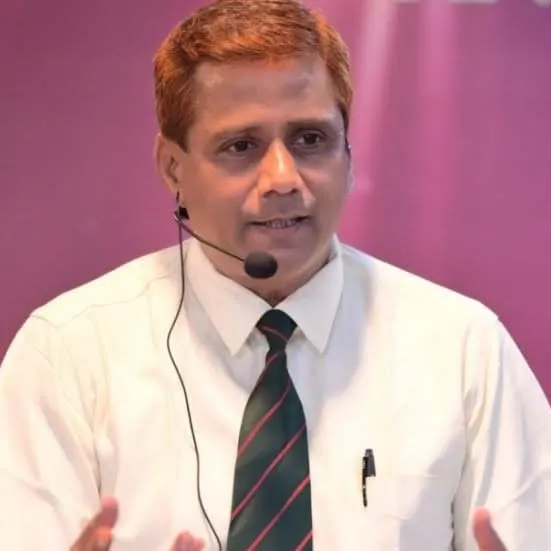
25 Yrs
Skills: Effective Communication Skills, Advanced Soft Skills, Life Coach, Emotional Wellness, Enhancing Soft Skills and Personality, Skill Development, Time Management, Soft Skills, Interpersonal Skills, Self-motivation, Stress Management, Presentation Skills, Management Skills, Personal Development, Self-confidence, Social Skills, Critical Thinking, Communication Skills, Smart Thinking, Professional coaching, Habit Building Coaching, Anxiety Management Coaching
23 Yrs
Skills: Class 10 Economics, Advanced Soft Skills, Enhancing Soft Skills and Personality, Academic Skills for Success, Soft Skills, Personal Development, Spoken English, Social Studies, Habit Building Coaching
3 Yrs
Skills: Book Reading, Personal Development, Critical Thinking, Habit Building Coaching

12 Yrs
Skills: Gender Psychology, Time Management, Personal Development, Self-confidence, Task Management, Psychology, Habit Building Coaching
Browse qualified tutors, compare profiles, and connect directly.

Join thousands of tutors who are sharing their knowledge and helping students succeed.


We'll match you with tutors based on your goals, budget, and schedule.
Chat With UsHabit building coaching is one-to-one guidance in the behaviour science of how routines form, break and return, so you can install the ones you want and drop the ones you don't. It suits students who can't hold a study schedule, professionals whose good intentions collapse by week two, and parents helping teenagers manage screens, sleep and homework. On FindMyGuru, you can work with a verified habit building coach online, agree on one specific behaviour to change, and review your progress in live sessions instead of alone with an app. This page explains what you will learn, how coaching compares with other options, what the learning path looks like, and how to book a trial session with a coach who fits your goal.
Willpower is a poor plan. Research on habit formation, including the widely cited University College London study led by Phillippa Lally, found that automaticity took anywhere from 18 to 254 days depending on the person and the behaviour, with a median of around 66 days. That range is the reason self-help advice fails so often: the timeline is personal, and so are the obstacles.
A coach shortens the trial-and-error. Instead of reading five books and guessing which advice applies to you, you get someone who watches what actually happens in your week and adjusts the plan.
Learning online adds practical advantages:
Your real environment is part of the lesson. A coach can ask you to show your desk, your phone's home screen or your morning routine on camera and redesign it with you.
Check-ins fit around work and classes. Short weekly sessions plus messages between them suit habit work better than one long weekend workshop.
You can choose by method, not by postcode. Some coaches lean on BJ Fogg's Tiny Habits model, others on James Clear's identity-based approach from Atomic Habits, and others on Charles Duhigg's cue, routine and reward loop.
It carries career value. Consistency in study, exercise, sleep, deep work and finances shows up in results. For some learners, habit coaching training is also a first step toward coaching others.
A good habit coaching course is not a list of motivational tips. It teaches a working method you can reuse for any behaviour. Here is what a typical programme on FindMyGuru covers.
Module | What it covers | What you walk away with |
|---|---|---|
Habit science basics | The habit loop (cue, craving, response, reward), how the brain automates repeated actions, why streaks help and why they backfire | A clear model for why you do what you do |
Behaviour design | Making the action tiny, anchoring it to an existing routine, celebrating immediately (Tiny Habits method) | One starter habit shrunk to under two minutes |
Habit stacking | Attaching a new behaviour to an established one ("after I pour coffee, I open my study notes") | A written stack for your morning or evening |
Environment design | Adding friction to bad habits and removing it from good ones; phone, desk, kitchen and workspace setup | A redesigned space and phone layout |
Implementation intentions | Writing "when X happens, I will do Y at place Z" plans, based on Peter Gollwitzer's research | If-then plans for your five riskiest moments |
Tracking and review | Simple trackers, weekly reviews, what to measure and what to ignore | A tracking method you will keep using |
Identity-based habits | Shifting from "I'm trying to run" to "I'm someone who runs" | A short identity statement tied to evidence |
Relapse and recovery | The "never miss twice" rule, planning for travel, illness and exams | A comeback protocol so one bad week doesn't end everything |
Breaking habits | Replacing rather than deleting, temptation bundling, urge surfing | A substitution plan for one habit you want to drop |
There are plenty of generic productivity videos. What is harder to find is a person who is accountable to you. Here is how FindMyGuru is set up.
Every coach profile is checked before it goes live. You can see each coach's background, coaching approach, languages and the kinds of learners they work with, so you are not choosing from a faceless list.
Your coach builds the plan around your habit, not a fixed syllabus. A student preparing for board exams and a manager trying to protect deep-work time will get very different sessions.
Pick weekday evenings, early mornings or weekends. Habit work goes better with regular, shorter contact, and you can agree a rhythm with your coach.
Book a trial session first. Use it to check that the coach's style suits you before you commit to a package.
Fees are shown on each profile, so you can compare coaches on price and experience without chasing quotes.
Look for a coach who names their framework, asks about your routine before proposing anything, and describes how they follow up between sessions. Those three things predict good habit coaching better than any slogan.
People search for this under many names, so here is how the roles differ in practice.
Role | Best for | How it works | Typical fit |
|---|---|---|---|
Habit coach private tutor | Learning the method step by step and applying it to your life | Structured 1:1 sessions with exercises between them | Learners who want to understand the system and own it |
Habit building mentor online | Guidance from someone who has built the habits you want, such as a founder, athlete or topper | Conversation-led, experience-based advice | People who want a role model and a sounding board |
Teacher | Classroom-style instruction on a syllabus | Group lessons, fixed pace | Students in a formal course |
Habit coach trainer near me | Workshops or in-person training for teams and groups | Session-based, often for organisations | Companies and schools running programmes |
Habit building coaching center | Batch programmes with set timetables | Group format, fixed fees | Learners who prefer a class environment |
If your goal is personal change, a private coach or mentor usually works faster than a group format, because the plan is tailored and someone notices when you slip.
Many learners start by searching for productivity habit classes near me, home tutoring near me or a coaching center near me. Here is how those options compare for this particular skill.
Factor | Online 1:1 (FindMyGuru) | Home tutoring | Coaching center |
|---|---|---|---|
Cost | Fees vary by coach and are shown upfront | Usually higher because of travel time | Often lower per hour, fixed package |
Flexibility | Choose your own slots, reschedule easily | Limited to local availability | Fixed batch timings |
Personalisation | High; plan built on your routine | High but limited to local coaches | Low; the same content for the whole batch |
Choice of coaches | Wide pool across cities and time zones | A handful nearby | Whoever runs the center |
Between-session support | Messages and check-ins | Depends on the tutor | Rare |
Seeing your environment | Via video, on your own desk or phone | In person | Not possible |
Habit coaching has one quirk that favours online delivery: the work happens in your own space. A coach who can see your phone settings or study table over video can fix the actual problem. If you were about to search for private tutoring near me, the online route usually gives you more coaches to choose from at a similar or lower cost.
Students often know what to study but not how to make it happen daily. A coach can help with a fixed study block, a phone boundary, a sleep routine and a plan for the weeks before exams.
Freedom with no structure is where habits fall apart. Coaching helps with attendance, assignment rhythm, gym routines and the shift from last-minute cramming to steady work.
The typical problems here are deep-work time being eaten by meetings, inconsistent exercise, and side projects that never start. Coaching focuses on protecting small, repeatable blocks rather than overhauling your life.
Parents often ask for help with screen time, homework routines and bedtime. A coach can work with the teen directly, or guide the parent on setting up an environment that makes better choices easier without daily arguments.
If you want to guide others, working through habit coaching training with an experienced coach shows you the method from the client's side first. Coaches can also point you toward recognised credentials such as ICF coach pathways.
You pick a single behaviour, shrink it until it takes under two minutes, anchor it to an existing routine and track it daily. Typical duration: 3 to 4 weeks. The goal is not results yet, only showing up.
You add two or three related habits, redesign your workspace and phone, and write if-then plans for your risky moments. You also practise recovering after a missed day. Typical duration: 4 to 8 weeks.
You work on keystone habits (those that pull others along, like sleep or morning planning), replace an entrenched habit rather than just resisting it, and build a quarterly review system. Learners who want to coach others can move into method design and client-session practice here.
Research suggests the range is wide, with a median around 66 days, though simple habits can settle sooner. A coach helps mainly by choosing a behaviour small enough to survive bad days, which is what keeps you going long enough to reach automaticity.
Yes. A habit coach focuses on specific, learn posture correction online and observable behaviours and the design of your routine and environment. A therapist treats mental health conditions, and a life coach usually works on broader direction and goals. If you suspect anxiety, depression or ADHD is behind your struggle, speak to a qualified professional as well.
You can. A coach introduces the ideas from Atomic Habits, Tiny Habits and habit-loop research as you need them, and turns each into an exercise you do in the same week. Many learners read the books later, once the concepts already make sense.
Search. Enter habit building coaching on FindMyGuru and filter by language, availability and budget.
Compare profiles. Read each coach's approach, background and learner types, and check the fees.
Book a trial session. Bring one habit you want to change and see how the coach works with it.
Agree a plan. Set your first habit, session rhythm and how you will check in between calls.
Start learning. Begin your first tiny habit within days and review it with your coach every week.
Fees vary by the coach's experience, session length and package, and every FindMyGuru coach lists fees on their profile. You can compare several coaches and use the trial class before committing.
Yes. No prior knowledge is needed. Coaching starts with one small habit and builds the theory around it as you go.
The concepts are simple, but applying them consistently is where people struggle. A coach helps by keeping your first habit small and reviewing what happens each week.
A habit coaching course usually follows a fixed syllabus for a group. One-to-one coaching adapts to your routine, your obstacles and your pace, and includes accountability between sessions.
For habit work, often yes, because the coach can see and fix your real environment over video. In-person formats add little unless you specifically want group workshops.
Most learners see a first habit stabilise in 3 to 6 weeks with weekly sessions and daily practice. Habits that are more complex or deeply ingrained take longer, and your coach will set a realistic timeline in the trial class.
Yes. FindMyGuru lets you book a trial session so you can check the coach's approach and communication style first.