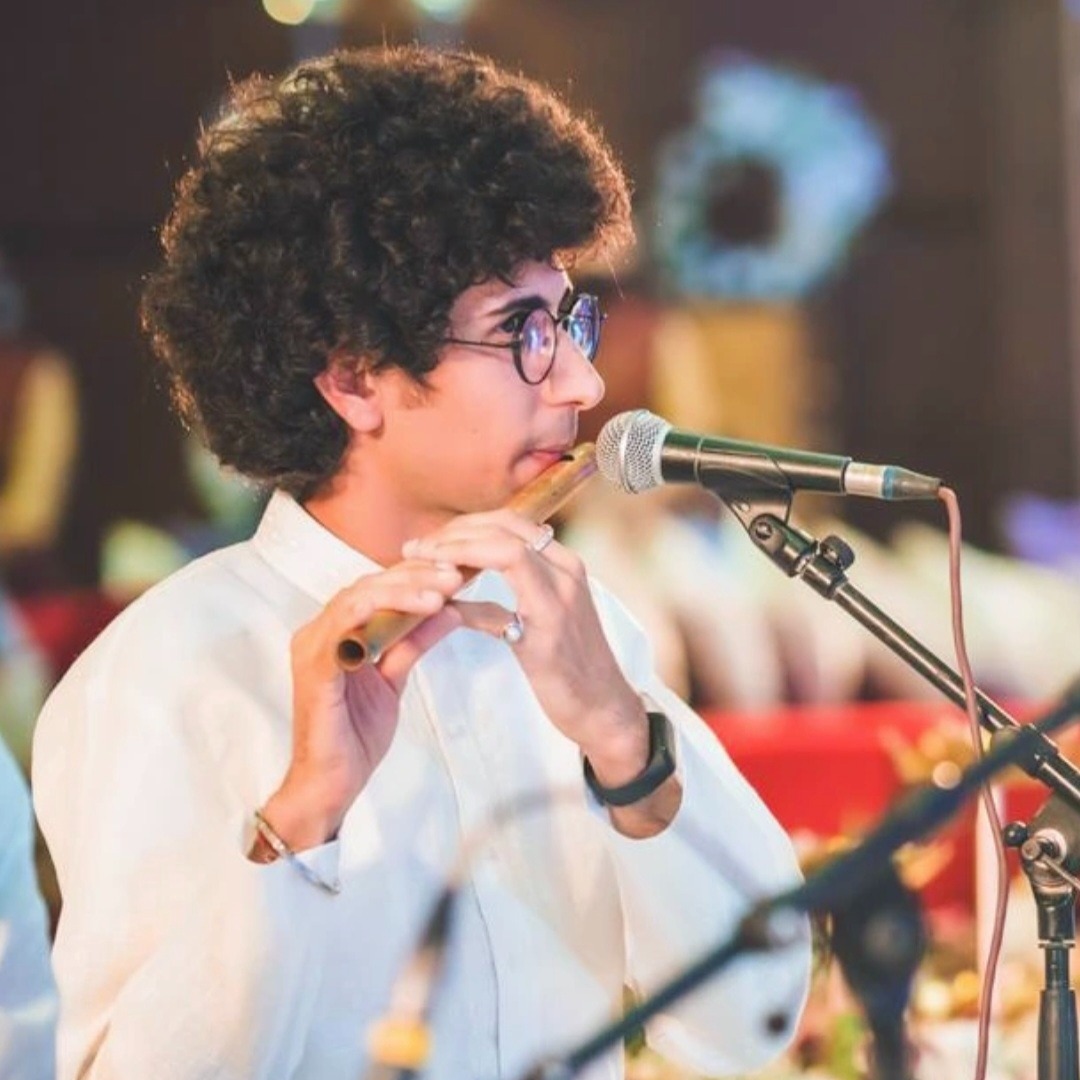
Flute tutorial
15 Yrs
Skills: Flute, Classical Music, Music Theory, Music, Wind instruments, Transverse flute



Find experienced online transverse flute tutors who teach beginners, exam candidates, and hobbyists alike. Compare teaching styles, check backgrounds, and connect directly — no agency layer in between.
15 Yrs
Skills: Flute, Classical Music, Music Theory, Music, Wind instruments, Transverse flute
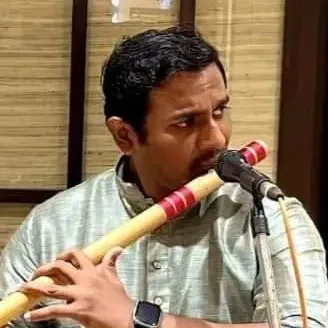
10 Yrs
Skills: Raaga, Flute, Hindustani Classical Music, Music Theory, Transverse flute, Hindustani Music

8 Yrs
Skills: Flute, Transverse flute
Browse qualified tutors, compare profiles, and connect directly.

Join thousands of tutors who are sharing their knowledge and helping students succeed.


We'll match you with tutors based on your goals, budget, and schedule.
Chat With UsIf you've searched for an online transverse flute tutor, you're probably trying to sort out one thing first: is this the "regular" flute you're picturing, or the bansuri your neighbour's kid learns on Tuesday evenings? This page is for people who want the Western concert flute the silver, keyed instrument played sideways, also called the Boehm flute or C flute and want to learn it over video call from a tutor based anywhere in India.
This trips up a lot of first-time searchers, so let's clear it up early. The transverse flute is the metal, key-mechanism instrument used in Western classical music, orchestras, and Trinity/ABRSM grade exams. The bansuri is the bamboo, keyless flute central to Hindustani classical music. Both are "flutes," both are held sideways, and both get taught online but the technique, repertoire, and even the breathing approach differ enough that a bansuri specialist usually isn't the right fit for someone prepping for a Grade 3 Trinity exam on a Yamaha student flute, and vice versa. If bansuri was actually what you meant, FindMyGuru's bansuri tutors online page is the better starting point.
Picking a tutor for a wind instrument over video is a bit trickier than picking one for guitar or keyboard embouchure (how you shape your lips on the mouthpiece) and breath support are hard to correct through a laggy screen. A few things actually matter here.
Check their training background. Look for tutors who've either studied at a conservatory-style music school, hold a Trinity or ABRSM diploma themselves, or have a solid orchestral/ensemble playing history. A tutor who plays flute as a secondary instrument alongside, say, saxophone, can still be excellent for absolute beginners, but a serious exam-track student needs someone flute-focused.
Ask about exam-board experience. If your goal is graded exams, ask directly: how many students have they prepped for Trinity College London or ABRSM flute grades, and what's been their pass rate roughly. Not every tutor teaches to a syllabus, and that's fine if you're learning for fun just be upfront about your goal so the lesson plan matches it.
Try a trial class before committing. Most tutors on FindMyGuru take a short intro session. Use it to check three things: can they actually hear and correct your tone quality over your setup, do they explain finger positions and breath support clearly, and does their teaching pace suit you. A tutor who sounds great on paper but can't diagnose a breathy tone through a screen isn't going to help much over months of lessons.
Skill levels. Online transverse flute tutors on FindMyGuru cover everything from absolute-beginner (holding the flute, first embouchure, producing a clean sound) through to advanced repertoire and diploma-level (ATCL, LTCL) preparation. Be specific about where you're starting "I've never touched a flute" gets a very different first lesson plan than "I stopped after Grade 4, want to restart."
Format. Most transverse flute tuition is one-on-one, given how individual embouchure correction is. Some tutors run small group batches for absolute beginners (useful if budget is a concern), but exam-track and intermediate-plus students almost always do better with 1:1 sessions.
Age groups. The instrument is commonly picked up from around age 8–9 (younger students often struggle with breath control and finger stretch on a full-size flute, though curved-headjoint flutes exist for smaller kids). Adult beginners are increasingly common too plenty of tutors on the platform specifically enjoy teaching adult hobbyists who want a relaxed, non-exam pace.
A fair question: can you really learn a wind instrument without the tutor sitting in the same room to check your posture and finger curve? Mostly, yes with a few adjustments that a good online tutor will already know. Position your camera to show your full upper body and hand position, not just your face. Use a stand or holder so the camera angle stays consistent lesson to lesson. And expect your tutor to ask you to record short practice clips between sessions this is often more useful than the live class itself for catching embouchure drift, since you can watch it back together and pause.
One genuine advantage of online lessons for this instrument: tutors can share reference recordings, metronome and drone-tone tools, and sheet music instantly on screen, which speeds up sight-reading practice compared to a physical notebook exchange.
Fees vary by tutor experience, session length, and whether you're on an exam track. As a general pattern across the platform: newer or student-tutors teaching absolute beginners tend to sit at the lower end of the range, while tutors with conservatory training or a strong exam-prep track record charge more, particularly for diploma-level or advanced repertoire coaching. Group batches, where available, usually cost less per student than 1:1 sessions. Rather than anchoring to a single number, treat fees as one input alongside teaching style and exam-prep fit a slightly pricier tutor who actually gets you through your Trinity Grade 5 on schedule is often the better deal.
FindMyGuru doesn't assign you a tutor or sit between you and them for every message you browse verified tutor profiles, check their background and teaching focus, message or call them directly, and agree on fees and scheduling between yourselves. There's no commission taken from students, and profiles include enough detail (training background, subjects taught, experience) to actually compare tutors instead of picking blind. If you're a tutor rather than a learner, you can list your profile on FindMyGuru and start getting direct enquiries.
If transverse flute isn't quite the fit maybe you're weighing options for a child, or exploring instruments yourself a few related pages worth a look: online guitar tutors for a more portable, cheaper-to-start option, online piano tutors if you want a strong theory foundation alongside performance, and FindMyGuru's blog post on how to choose the right music tutor for your child if you're deciding between instruments rather than settling on flute already.
Browse verified online transverse flute tutors on FindMyGuru, compare their training and teaching style, and book a trial class directly no middleman, no commitment beyond what you agree with the tutor.
No. Bollywood and Hindustani classical music typically use the bansuri, a bamboo keyless flute. The transverse flute is the Western, key-mechanism instrument used in orchestras and Trinity/ABRSM exams. Some tutors teach both, but the technique differs.
Yes, plenty of tutors on FindMyGuru specialise in starting absolute beginners from scratch, including first embouchure and basic breath control. You'll need your own flute from lesson one, since there's no substitute for hands-on practice with the actual instrument.
No — a decent student-model flute (often around ₹8,000–15,000, sometimes rented) is enough to begin. Ask your tutor for a recommendation before buying, since not every entry-level flute holds tuning well.
Most tutors recommend starting around age 8–9, once hand size and breath control are sufficient for a full-size flute. Curved-headjoint flutes are available for younger or smaller-handed beginners.
It varies with practice consistency, but many students move through one grade every 6–12 months with regular weekly lessons and daily practice. Your tutor can give a realistic timeline once they've assessed your current level.
For most students, yes, provided the camera setup lets the tutor see hand position and embouchure clearly. Many tutors also use recorded practice clips between sessions, which some students find even more useful for catching mistakes than a single live class.
Fees depend on the tutor's experience and whether you're on an exam track — newer tutors and beginner-focused sessions typically cost less, while conservatory-trained or diploma-level tutors charge more. Compare a few tutor profiles on FindMyGuru to gauge the range for your level.
No, FindMyGuru doesn't take a commission from students. You connect with tutors directly, agree on fees between yourselves, and pay the tutor directly — the platform's role is helping you find and compare verified profiles.