
Web development
2 Yrs
Skills: Backend Development, Dom (document Object Model), Full Stack Development, Git, Web Application, Javascript, Responsive Web Design, React JS, HTML, CSS, MongoDB, Web Development, Databases, Frontend Development
Tutors & Institutes:
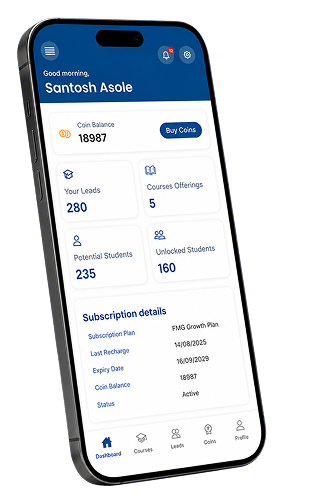
The "FindMyGuru for Tutor" App is LIVE! Download now and never miss a student enquiry.
Tutors & Institutes:
The "FindMyGuru for Tutor" App is LIVE! Download now and never miss a student enquiry.



Work 1-on-1 with an online web development tutor who reviews your actual code and helps you ship real projects — not another unfinished course. Compare verified profiles and book a free trial.
2 Yrs
Skills: Backend Development, Dom (document Object Model), Full Stack Development, Git, Web Application, Javascript, Responsive Web Design, React JS, HTML, CSS, MongoDB, Web Development, Databases, Frontend Development

14 Yrs
Skills: Figma, Html and Css, Psd to Html Conversion, Tailwind Css, React Front-end Development, Web Design, Ui ux design, UI Design, UX Design, Web Development, Front End Development
14 Yrs
Skills: Html 5, Html and Css, Html Css and Javascript, Html, Css and Bootstrap, Basic Html and Css, Basics of Html, Tailwind Css, User Interface (ui) Development, CSS, Web Development, Frontend Development, Front End Development
2 Yrs
Skills: Es6, Html 5, Json, Javascript, Javascript (es6+), Responsive Web Design, HTML, CSS, Web Development, Front End Development, Arrays
1 Yrs
Skills: A and As Computer Science, Javascript, Python Programming, HTML, CSS, Web Development, Python
1 Yrs
Skills: Python Basics, React.js, Ai and Data Analytics, Javascript, Responsive Web Design, Java Programming, Python Programming, Object-oriented Programming (oop), Mathematics, Class 8 Mathematics, Class 12 Mathematics, English, HTML, CSS, Web Development, CBSE Mathematics, cbse classes (6-10), maths class 6, maths class 7, Science, Basic Computer, Biology, Computer Science, Advanced Biology, Advance Mathematics

3 Yrs
Skills: A Level Information Technology, Networking, Web Development, Computer Science, Computing
1 Yrs
Skills: Full Python, Python Basics, Ai and Data Analytics, Data Science, Python Programming, Web Development, Data Analytics, Python, Full Stack Web Development
2 Yrs
Skills: Full Stack Development, Git, Github, Html 5, Node Js, React Native and Node.js, React.js, Nextjs, Javascript, Javascript (es6+), Nosql, Version Control (git), Nosql Databases, MERN Stack, HTML, CSS, MongoDB, Web Development, Full Stack Web Development
3 Yrs
Skills: Backend Development, Full Stack Development, Jdbc, A and As Computer Science, Java, Java Programming, Object-oriented Programming (oop), Java Full Stack Development, SQL, Web Development, Spring Boot, core java, Full Stack Web Development
3 Yrs
Skills: Django, Full Stack Development, A and As Computer Science, Javascript, Database Management Systems (dbms), Python Programming, Object-oriented Programming (oop), SQL, HTML, CSS, Web Development, core python, Python, Full Stack Web Development
1 Yrs
Skills: Javascript, Javascript (es6+), Javascript Programming, Web Development, Frontend Development
1 Yrs
Skills: Django, Python Django, Full Python, Full Stack Development, Html 5, Html Basics, Python Basics, Python Programming, HTML, CSS, Web Development, Python
1 Yrs
Skills: Html 5, Html Basics, Basic Html and Css, Web Design, Responsive Web Design, HTML, CSS, Web Development

1 Yrs
Skills: A and As Computer Science, Web Design, Responsive Web Design, CSS, Web Development
1 Yrs
Skills: Html 5, Web Design, HTML, Web Development, Frontend Development
1 Yrs
Skills: Web Design, Css, Responsive Web Design, Web Development, Frontend Development
1 Yrs
Skills: Json, Javascript, Javascript (es6+), Javascript Programming, Object-oriented Programming (oop), HTML, CSS, Web Development, Frontend Development
1 Yrs
Skills: Flask, Full Python, Git, Github, Object Oriented Programming with Python, Basic Sql, Css, Database Management Systems (dbms), Python Programming, SQL, HTML, CSS, Web Development, core python, Python

1 Yrs
Skills: Backend Development, Full Python, Full Stack Development, Ai & Ml, Machine Learning, Python Programming, Artificial Intelligence, Web Development, core python, Advanced Python for Data Engineering, Python, Frontend Development
Browse qualified tutors, compare profiles, and connect directly.

Join thousands of tutors who are sharing their knowledge and helping students succeed.


We'll match you with tutors based on your goals, budget, and schedule.
Chat With UsIf you've got three half-finished Udemy courses and a GitHub profile with no real projects on it, you already know what's missing: someone to look at your actual code and tell you why it's not working. An online web development tutor does that — this page helps you find one who fits where you actually are, from absolute beginner to someone stuck mid-project.
Complete beginners who've bounced off tutorial hell — started HTML, jumped to a JavaScript course, never built anything end to end — need someone to give them one project and stick with them through it. Career switchers (QA, support, non-tech backgrounds) usually need a compressed, portfolio-focused path rather than a full computer-science-style curriculum. Bootcamp or college students frequently hire a tutor alongside their main course — cohort-based programs move at a fixed pace, and a tutor fills the gap when you fall behind on one specific concept. Working developers switching stacks (say, from PHP to the MERN stack) usually just need someone to unblock specific technical decisions, not a beginner curriculum.
A developer being good at their job doesn't automatically make them good at explaining it. In your trial session, ask the tutor to walk through a small real problem — debugging a broken component, say — and watch how they explain their reasoning, not just the fix.
"Web development" spans HTML/CSS fundamentals, JavaScript, frontend frameworks (React, Vue), backend (Node.js, Django, Spring Boot), and full stack combinations like MERN. Check a tutor's listed skills for your specific stack rather than assuming a generalist covers everything equally well.
This is the single biggest differentiator between an effective tutor and a glorified video course. A tutor who assigns you a real project and reviews your commits gets you further than one who just talks through slides — ask directly how they structure sessions before committing.
Some tutors will review code you've written outside of sessions — this is often more valuable than the live teaching time itself, especially once you're past the basics and just need feedback on what you're building.
If you're not sure yet, that's normal, and it's worth saying out loud in your first message to a tutor rather than guessing. Frontend-focused tutoring (HTML, CSS, JavaScript, React) suits anyone drawn to visual/UI work or design-adjacent roles. Backend-focused tutoring (Node.js, databases, APIs) suits people who prefer logic and system design over interface work. Full stack tutoring makes sense once you have basic comfort on one side and want to become end-to-end employable — most tutors will tell you honestly if you're jumping to full stack too early.
Free tutorials and paid bootcamps both have a place, but neither replaces individual feedback. A bootcamp gives you structure and a cohort, but the pace is fixed to the group and doubt resolution queues behind everyone else's questions. Pure self-study (YouTube, Udemy, docs) is flexible and cheap but leaves you without anyone checking whether your code actually reflects good practice — a real risk when you're building the habits you'll carry into a first job. A 1-on-1 tutor sits between the two: the flexibility of self-study with the accountability and feedback of structured teaching, which is why plenty of learners hire a tutor specifically to supplement a bootcamp they're already enrolled in, rather than as a replacement for one.
Rates vary by tutor experience and stack — a tutor teaching advanced backend architecture or system design typically charges more than one teaching HTML/CSS fundamentals to a first-time learner. Project-based or code-review-focused sessions may also be priced differently from straightforward concept teaching. Treat any number you see elsewhere as a rough market signal only — check the actual rate on a tutor's FindMyGuru profile before booking, since it varies profile to profile.
Every tutor profile on FindMyGuru is verified before it's listed, and profiles show each tutor's specific skill tags — so you can filter by React, Node.js, MERN stack, or whatever your target stack actually is, instead of a generic "web development" label. You can compare experience and student ratings, message tutors directly, and book a free trial before paying anything — a good way to confirm a tutor actually reviews code and builds projects with you, not just talks at you for an hour.
If you've got more half-finished courses than finished projects, browse web development tutors on FindMyGuru, filter by the stack you actually need, and book a free trial to see if their teaching style fits before committing. If you're a developer who wants to teach, you can list your profile and set your own rates.
They serve different needs — a bootcamp gives structure and peer accountability, while a tutor gives individual pacing and direct code feedback. Many learners use both, hiring a tutor specifically to unblock concepts a bootcamp's fixed pace doesn't leave room for.
Yes, plenty of developers are self-taught. The main thing self-study lacks is someone reviewing your actual code and catching bad habits early — a tutor is most useful for that feedback loop, even if only for a few sessions rather than the whole journey.
This depends heavily on your starting point, hours available, and target role (frontend vs full stack), so there's no single honest number — a tutor can give you a realistic estimate once they understand your current skill level and goals.
A frontend tutor focuses on HTML, CSS, JavaScript, and UI frameworks like React; a backend tutor covers server logic, databases, and APIs; a full stack tutor teaches both together, which usually makes sense once you have basic comfort on one side already.
Yes — many tutors on FindMyGuru offer code review as a standalone service for learners who are already building but want an experienced developer checking their work. Worth confirming this explicitly on the tutor's profile or in your first message.
No. Most tutors on the platform work with complete beginners and career switchers with no CS background — what matters more is consistent practice between sessions.
Yes, you're not locked into one tutor — you can message and trial a different tutor at any point if the pace or style isn't the right fit.