
Sap Fico/mm
8 Yrs
Skills: Sap MM, SAP FI, SAP CO, SAP Finance, sap fico
Tutors & Institutes:
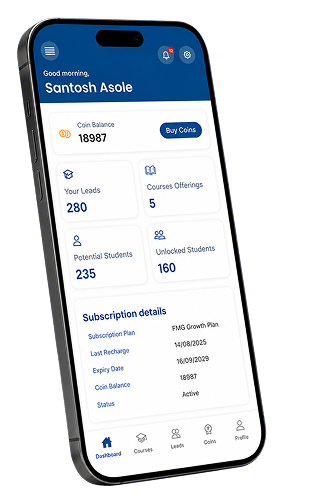
The "FindMyGuru for Tutor" App is LIVE! Download now and never miss a student enquiry.
Tutors & Institutes:
The "FindMyGuru for Tutor" App is LIVE! Download now and never miss a student enquiry.



Find experienced online SAP FICO tutors from across India, compare their teaching style, batches and fees, and start learning Financial Accounting and Controlling from wherever you are.
8 Yrs
Skills: Sap MM, SAP FI, SAP CO, SAP Finance, sap fico
12 Yrs
Skills: SAP, sap fico
3 Yrs
Skills: sap fico
3 Yrs
Skills: sap fico
3 Yrs
Skills: sap fico
1 Yrs
Skills: Accounts Payable and Accounts Receivable, Erp, Financial Accounting, sap fico
3 Yrs
Skills: sap fico
1 Yrs
Skills: Gst, Gst & Income Tax, Gst Filing, Income Tax, Sap MM, Ms Excel 2019, Tds, Financial Accounting, sap fico, Tally Prime, Accounting, Tax system
10 Yrs
Skills: Advanced & Basic Excel, Gst, Adobe Illustrator, Indesign, sap fico, sap s4 hana fico, SAP S4 HANA, Adobe Photoshop, Macro Excel

3 Yrs
Skills: Erp, Sap MM, SAP FI, Functional Testing, sap fico
9 Yrs
Skills: Accounts Payable and Accounts Receivable, Accounts - Fixed Assets, sap fico, sap s4 hana fico
3 Yrs
Skills: Advanced & Basic Excel, A and As Level Accounts, SAP FI, SAP CO, SAP, sap fico
5 Yrs
Skills: +2 Accountancy, SAP FI, SAP CO, SAP, sap fico

15 Yrs
Skills: SAP FI, SAP Finance, sap fico
12 Yrs
Skills: Erp, Gst, Tds, Financial Accounting, SAP, sap fico

5 Yrs
Skills: Erp Fico, Fico, SAP FI, SAP CO, sap fico, sap s4 hana fico
5 Yrs
Skills: SAP FI, SAP CO, SAP Finance, sap fico
1 Yrs
Skills: B Com, Accounts Payable and Accounts Receivable, M.com, Financial Accounting, SAP, sap fico
20 Yrs
Skills: SAP EWM, SAP HCM, Sap MM, SAP PP, SAP SD, SAP ABAP, sap fico, SAP BASIS
14 Yrs
Skills: Sap MM, SAP PP, sap fico
Browse qualified tutors, compare profiles, and connect directly.

Join thousands of tutors who are sharing their knowledge and helping students succeed.


We'll match you with tutors based on your goals, budget, and schedule.
Chat With UsSAP FICO is one of the most in-demand SAP modules for anyone building a career in finance, accounting, or ERP consulting — and you don't need to live in a metro to learn it well. This page helps you find and compare online SAP FICO tutors who teach live over Zoom, Google Meet, or Microsoft Teams, with hands-on access to a SAP GUI or S/4HANA training server, so you can practice postings and configurations the same way you would in a classroom.
Because the training happens over a screen, "online" changes what actually matters when you're picking a tutor. A great in-person trainer down the road is no use if their online delivery is just a recorded video dump; a tutor sitting in another city is perfect if they run live sessions, share their screen for practical work, and reply to your doubts between classes. Here's what to look for, what to expect, and what it typically costs.
Online SAP FICO training has become the default choice for a large share of learners, and not just for convenience. A few practical reasons it works well for this particular module:
You need screen time, not classroom time. SAP FICO is learned by clicking through transaction codes, posting entries, and running reports — all of which happens on a laptop screen anyway, whether the tutor is in the same room or not.
Access to a live SAP system matters more than location. Most serious tutors provide remote access to a training or sandbox server (ECC or S/4HANA), so you can practice outside class hours regardless of where you're based.
It suits working professionals. Early-morning, late-evening, or weekend batches are far easier to arrange online, which matters if you're learning SAP FICO alongside a full-time job.
You get access to specialists, not just local trainers. A consultant with 10+ years on live SAP FI/CO implementations in Mumbai or Bangalore can train a learner in Bhopal or Guwahati just as effectively online.
Not every "online SAP FICO trainer" listing means the same thing. Before you commit to a trial class, check for these:
Live, interactive sessions — not pre-recorded videos sold as a "course."
Hands-on server access — ask specifically whether you'll get a practice login (ECC or S/4HANA) to work on outside class.
Real project background — tutors who've actually implemented or supported SAP FICO in a company tend to teach the "why," not just the transaction steps.
Coverage of both FI and CO — Financial Accounting (general ledger, AP/AR, asset accounting) and Controlling (cost centers, profit centers, internal orders) are both part of a complete SAP FICO skill set; confirm the syllabus covers both, not just one.
S/4HANA exposure, not only the older ECC interface — most current job openings expect at least familiarity with S/4HANA Finance.
Batch size and doubt-clearing structure — a 1:1 session and a 20-person batch webinar are very different learning experiences at a similar price point.
Tutor profiles on FindMyGuru list experience, the subjects and formats they teach, and student ratings where available, so you can compare a few before booking a trial.
Formats vary by tutor, but most online SAP FICO training on the platform falls into one of these:
One-to-one live sessions — Personalized pace, direct doubt-clearing, and a syllabus that can be adjusted to your background (fresher vs. working professional). Usually the most flexible but priced higher per hour than group batches.
Small-batch live classes — A group of 5–15 learners on a fixed schedule, often with weekday or weekend timing options. More affordable, with peer discussion as a side benefit.
Self-paced/recorded content with live doubt-clearing support — Pre-recorded modules paired with scheduled live Q&A calls. Works for learners who want flexibility over a fixed timetable, though it demands more self-discipline.
Whatever the format, ask upfront whether practical exercises, case studies, and configuration walkthroughs are included — SAP FICO is a hands-on skill, and a purely lecture-style course leaves a real gap when you sit for interviews or start a job.
One advantage of learning SAP FICO online is that "near me" stops being the limiting factor. You're not restricted to trainers physically located in your city — a learner in Kochi, Ranchi, or Dehradun can train with the same SAP FICO consultants that a Bangalore or Pune learner would. What still matters locally is time zone alignment and batch timing, since most live classes run on IST schedules; confirm this before enrolling if you're outside India.
If you'd still prefer someone location-specific — for occasional in-person doubt sessions, for instance — you can also browse SAP FICO tutors in Pune or explore tutors by city on FindMyGuru's locations page.
FindMyGuru lists SAP FICO tutors and institutes based across India who teach online, including many who've worked as SAP consultants in Delhi NCR, Mumbai, Bangalore, Hyderabad, Chennai, and Pune before moving into training. Since delivery is remote, you can compare profiles regardless of where the tutor is registered and shortlist based on their experience and teaching approach rather than proximity. Browse the full list on the India tutors page if you want to see options beyond this listing.
It's a fair question, especially early in your research: can you learn SAP FICO for free online? Partially. Free YouTube tutorials and demo sessions are genuinely useful for understanding what SAP FICO is and deciding if it's the right module for you — most tutors on FindMyGuru also offer a free trial or demo class before you commit. But a structured, paid course still has a real advantage: access to a live practice server, personalized doubt-clearing, project-based exercises, and a syllabus that maps to what employers actually test for in interviews. Treat free resources as a starting point, and a paid tutor as the step that gets you interview- and job-ready.
There's no single best online SAP FICO tutor for everyone — the right fit depends on your starting point and goal. A commerce graduate with no SAP exposure needs a slower, fundamentals-first pace; a working professional switching from a related SAP module (say, MM or SD) may want an accelerated, project-heavy track instead. Rather than chasing a generic "best" list, compare 2–3 tutor profiles on experience, syllabus, and batch format, sit in on a trial class if offered, and pick the one whose teaching style actually matches how you learn.
Fees and timelines vary tutor to tutor, but as a general sense of the market:
Factor | Typical Range |
|---|---|
Course duration | 4–6 weeks (fast-track) to 3–4 months (standard, with practicals) |
Fee range | Broadly indicative — varies by tutor experience, batch size, and whether it's 1:1 or group |
Format | Live 1:1, live batch, or recorded + live doubt support |
Students can contact tutors directly on their FindMyGuru profile for exact fees, batch timings, and syllabus details — pricing depends heavily on individual tutor experience and course depth, so it's worth comparing two or three before deciding.
For a working knowledge of core FI and CO transactions — general ledger, accounts payable/receivable, basic cost center accounting — two months of focused, consistent classes is realistic with a fast-track or intensive batch. It's tight if you're also new to accounting fundamentals or want to go deep into S/4HANA-specific configuration and real-time project scenarios, where three to four months is more common. If your goal is interview-readiness for an entry-level SAP FICO or support role, ask your tutor to structure a two-month plan around the topics recruiters actually screen for, rather than the full syllabus.
SAP FICO isn't conceptually difficult if you already understand basic accounting — debits, credits, ledgers, cost centers. What trips learners up is the SAP interface itself: navigating transaction codes, understanding configuration versus end-user screens, and connecting FI postings to CO reporting. Learners without an accounting background can still pick it up, but they'll need extra time on fundamentals before the SAP-specific parts click. A tutor who explains the "why" behind each transaction — not just the click-path — makes this considerably easier.
FindMyGuru doesn't run the training itself — it's a marketplace where you can browse tutor and institute profiles, compare experience and teaching formats, and message tutors directly to discuss fees and schedules, with no commission charged to learners. You see who you're learning from before you pay anyone, which is harder to verify when you're going through a random ad or a WhatsApp forward.
Ready to start? Browse the online SAP FICO tutors listed above, shortlist a couple based on experience and format, and book a trial class to see how they teach before you commit. If you're an SAP FICO trainer yourself, you can list your profile on FindMyGuru and start receiving student enquiries directly.
Yes. Most SAP FICO training today is delivered online through live instructor-led sessions with remote access to a practice SAP server, so you can learn the same configuration and transaction skills you would in a classroom. Look for tutors who offer hands-on server access rather than recorded videos alone.
Fees vary widely based on the tutor's experience, whether it's a 1:1 or group batch, and course depth — there's no fixed market rate. It's best to compare a few tutor profiles and confirm exact pricing, batch size, and syllabus directly with the tutor before enrolling.
You can build a working knowledge of core FI and CO transactions in two months with a focused, intensive batch, especially if you already understand basic accounting. Going deeper into S/4HANA configuration and live project scenarios typically needs three to four months.
Not conceptually, if you're comfortable with basic accounting concepts like ledgers, debits and credits. The learning curve is mostly about getting familiar with the SAP interface and transaction codes, which a good tutor can make much smoother by explaining the logic behind each step.
It helps but isn't mandatory. Engineering or science graduates learn SAP FICO regularly; they typically need a bit more time upfront on core accounting concepts before the SAP-specific training clicks.
Free YouTube content and demo classes are useful for getting a first look at SAP FICO, and many tutors on FindMyGuru offer a free trial session. For structured, project-based learning with server access and doubt support, a paid course is usually necessary.
ECC is the older SAP interface; S/4HANA Finance is the current version most companies are migrating to or already running. Most current job openings expect at least working familiarity with S/4HANA, so it's worth confirming which version your tutor's syllabus and server access covers.
Open any tutor or institute profile and use the Contact option to message them directly through FindMyGuru — you can ask about fees, batch timings, and syllabus before booking a trial class.