Tutors & Institutes:
The "FindMyGuru for Tutor" App is LIVE! Download now and never miss a student enquiry.
Tutors & Institutes:
Refer a tutor and earn rewards when they join. Refer & Earn
Tutors & Institutes:
The "FindMyGuru for Tutor" App is LIVE! Download now and never miss a student enquiry.
Tutors & Institutes:
Refer a tutor and earn rewards when they join. Refer & Earn



Find the best English trainers near you. Compare teachers, check reviews, and start learning with courses matched to your goals.
Showing 634 tutors



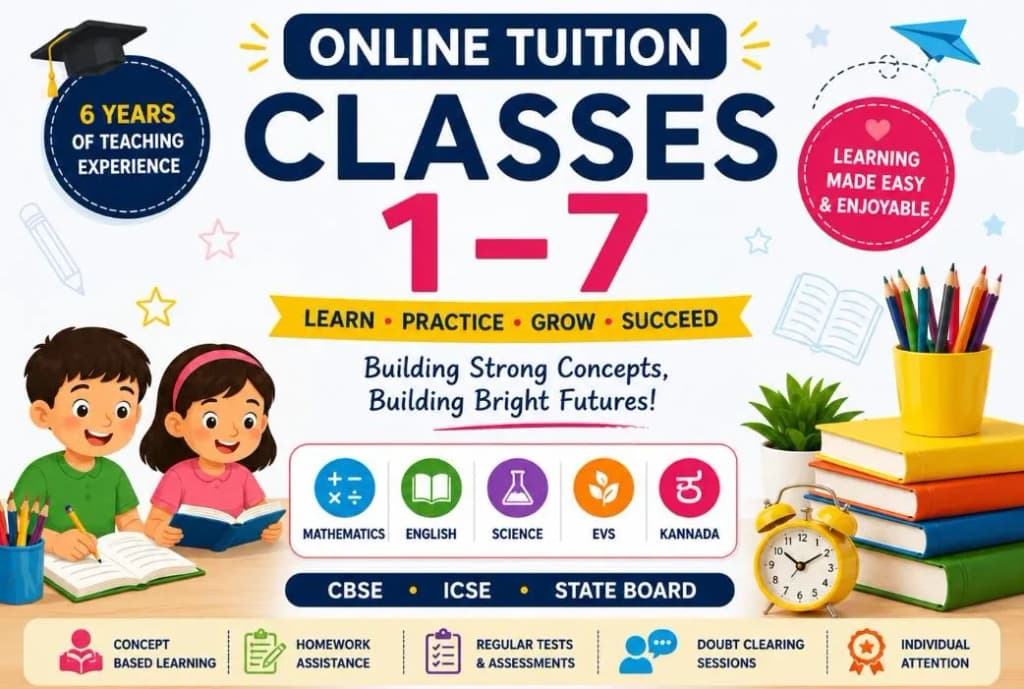
Whether you're a student prepping for board exams, a working professional polishing your fluency, or a parent looking for a patient first-language coach for your child, this page connects you with English tutors who teach one-on-one, in groups, online, or through home tuition. Every profile below is searchable by experience, teaching style, and availability, so you can find the right fit without sitting through a single trial class you didn't choose.
English sits at the intersection of school curriculums, competitive exams, job interviews, and everyday confidence — which is exactly why a personal English tutor tends to move the needle faster than a classroom of thirty. A tutor adjusts pace to your actual gaps: a shaky "th" sound, a habit of translating from your first language before speaking, or an aversion to writing long-form answers. None of that gets fixed by a textbook chapter; it gets fixed by someone listening to you speak and correcting you in real time.
Spoken English has become a gatekeeper skill for interviews, campus placements, and even everyday services jobs, which is why english tuition classes near me is one of the most searched phrases on this page's category. Adult learners increasingly want conversational fluency over grammar drills, and school students need both — accurate writing for exams and confident speaking for orals and group discussions. Tutors on FindMyGuru cover this full spectrum, from foundational grammar to interview-ready spoken practice.
Not everyone learns the same way, and English tutoring reflects that better than most subjects. Some learners want a home english tutor near me who can sit across the table and correct handwriting and pronunciation in person; others prefer the convenience of a screen-share session squeezed between work calls. FindMyGuru lists tutors offering both, along with 1 on 1 english tutoring and small-group formats, so you can pick based on your schedule rather than settle for whatever a single coaching centre happens to offer.
Finding the right tutor shouldn't take longer than the first lesson itself. Here's the process on this page.
Filter through 628 tutor profiles by qualification, years of teaching experience, subject focus (spoken English, grammar, ESL, exam prep, or business English), and preferred mode — online, home tuition, or both.
Each profile lists teaching background, subjects covered, typical fee range, and student age groups they work with, so you can shortlist two or three tutors before reaching out instead of guessing from a single line of text.
Once you've shortlisted, message the tutor directly through their profile — no agency in between, no booking fee just to ask a question. Most tutors respond within a day and are open to a short introductory call before you commit to a full course.
Here are related searches learners and tutors often look up alongside English Tutors on this page.
Online tutoring works well for learners who want flexibility on timing or live outside a tutor's immediate travel radius. Sessions typically run over video call with shared documents or a virtual whiteboard for writing corrections, and many tutors record sessions on request so students can revisit tricky grammar points later.
Searching by location matters most for younger students or adults who prefer face-to-face correction, especially for pronunciation work. FindMyGuru's filters let you narrow tutor listings by your city and area so you're only browsing people who can realistically reach your home or a nearby meeting point.
Demand for English tutoring spans metro IT hubs, tier-2 college towns, and smaller cities alike, but the reasons differ — placements and client-facing roles in the metros, competitive exams and school boards elsewhere. Tutors on this page come from varied teaching backgrounds, including school teachers, ESL-certified trainers, and English literature graduates.
Adult learners usually aren't starting from zero — they need targeted correction on specific weak spots like tense usage, workplace email tone, or interview phrasing rather than a full beginner course. Look for tutors who explicitly mention adult or professional learners in their profile, since their teaching pace and materials tend to differ from those built for school students.
Spoken English tutoring focuses on fluency, pronunciation, and reducing hesitation rather than written accuracy alone. A good spoken English tutor will spend most of the session having you actually talk — role-plays, impromptu topics, read-aloud correction — instead of lecturing about grammar rules.
Home tuition for spoken English suits learners, especially children and teenagers, who benefit from a familiar, low-pressure setting to practice speaking without classroom self-consciousness. Parents can also sit in on early sessions to gauge teaching style before committing to a longer term.
New tutors should start by clearly defining a niche — exam prep, conversational fluency, or business English — since a focused profile attracts better-matched students than a generic "I teach English" listing. A short, well-lit intro video and a clear description of your teaching method also convert far better than a bare qualifications list.
Most school and coaching-centre roles require a bachelor's degree, often in English or Education, along with a teaching credential such as a B.Ed for formal school positions. For tutoring specifically, strong communication skills, patience with correction, and a structured lesson plan matter as much as the degree itself.
Building a teaching portfolio early — even informally, through friends, siblings, or volunteer tutoring — helps new teachers develop classroom management and lesson-pacing skills before applying for paid roles. Specializing early, whether in exam coaching, ESL, or young learners, also makes a teaching profile stand out.
An academic career in English typically requires a postgraduate degree and, for university-level positions, a PhD along with published research or conference presentations. Building teaching experience at the undergraduate level and networking within academic departments early on tends to open doors to lecturer roles later.
Exam-focused English coaching — for tests covering reading comprehension, verbal ability, or essay writing — needs a tutor who understands the specific exam pattern rather than general English teaching. Look for tutors who list relevant exam experience directly on their profile rather than assuming general fluency coaching will transfer.
Teaching English abroad is a separate path from tutoring locally and usually requires a TEFL or TESOL certification, particularly for popular destinations across East Asia, the Middle East, and parts of Europe. Requirements, pay, and visa rules vary significantly by country, so it's worth researching a specific destination's regulations before committing to certification.