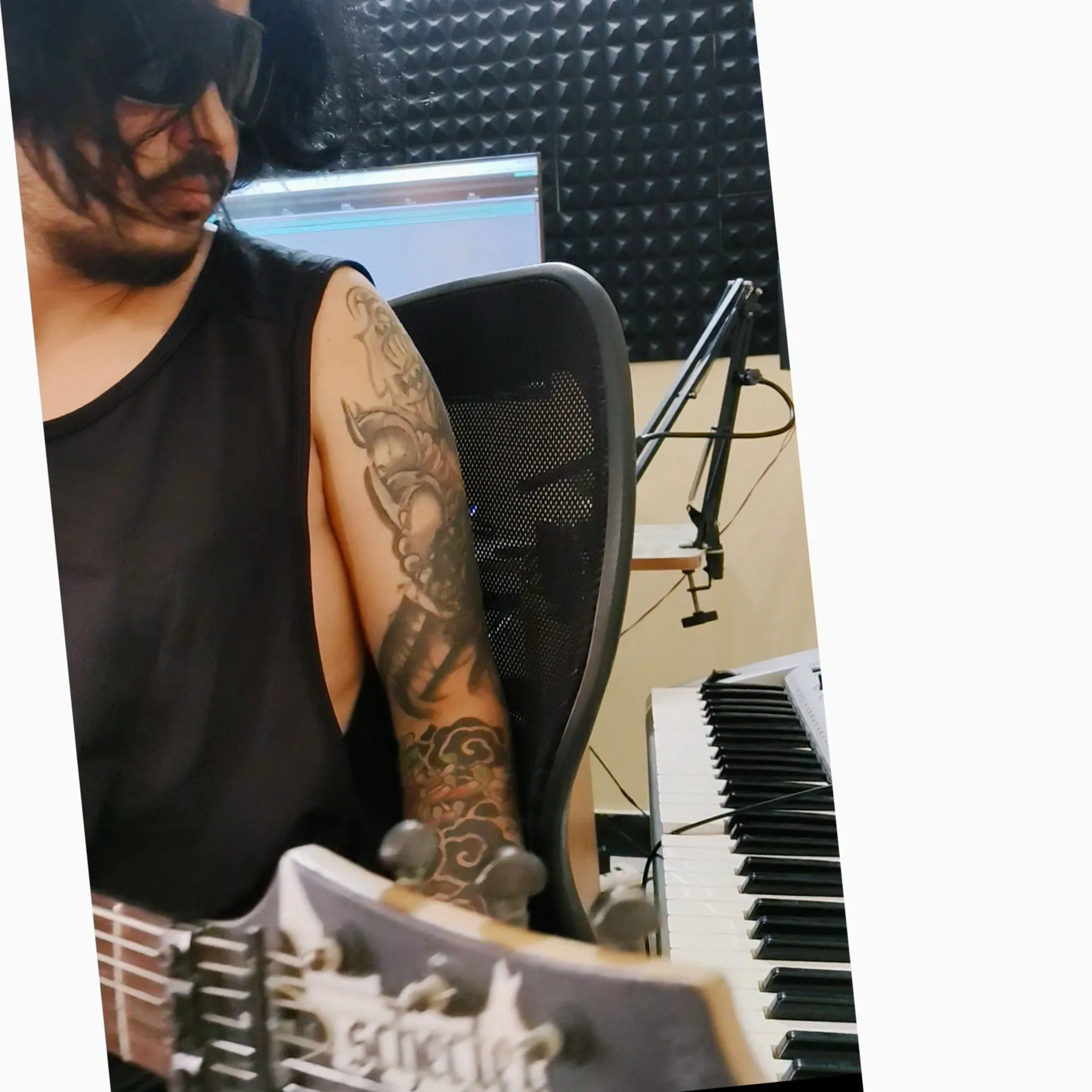
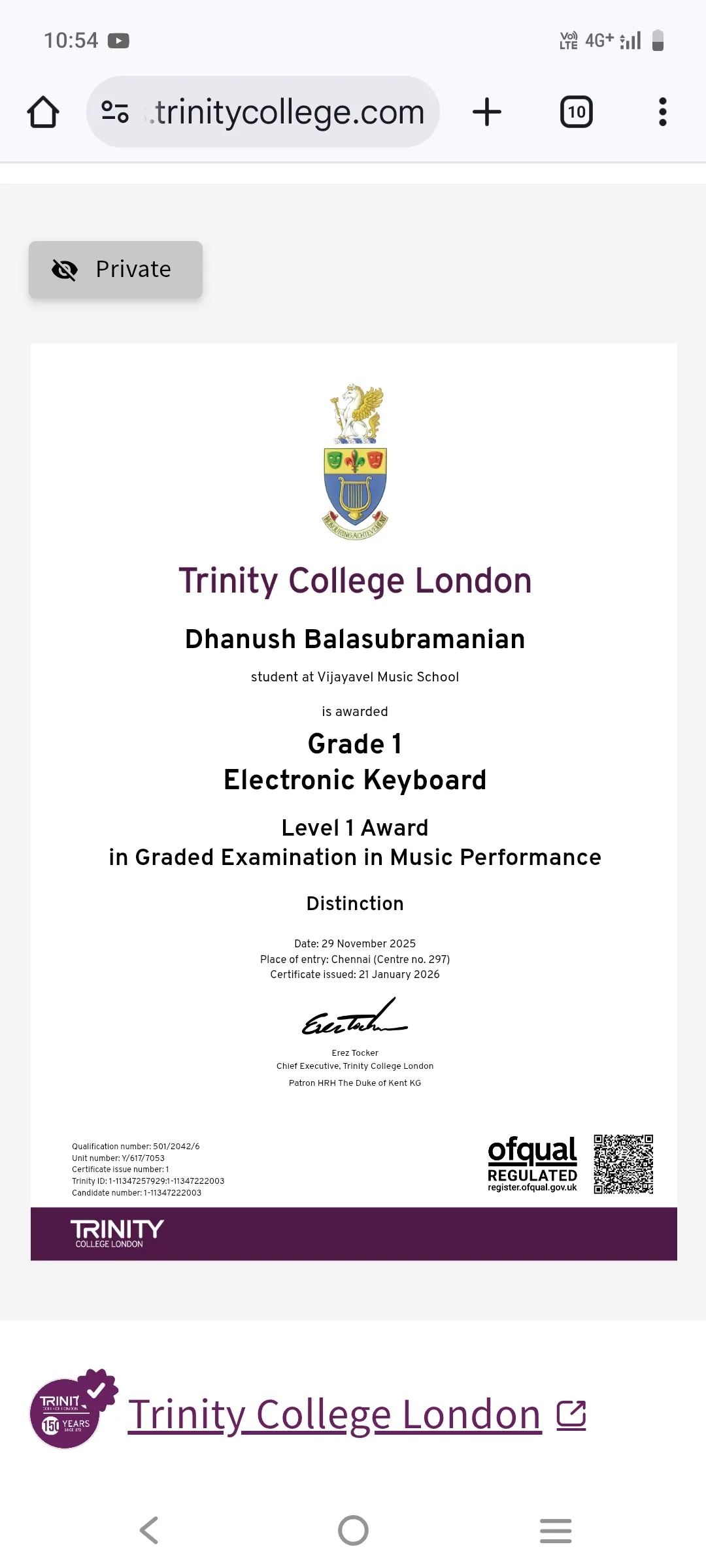
Looking for an online classical music tutor? This page connects you with verified teachers across Hindustani and Carnatic vocal, harmonium, tabla, sitar, veena, violin, and other classical instruments — all teaching live over video call, from anywhere in India or abroad. Whether you're a parent enrolling a five-year-old in their first raag sargam or an adult picking up the sitar after years away from it, the tutors listed here have been vetted before their profile goes live.
"Classical" in the Indian context isn't one thing — it's really two major traditions, each with their own gharanas, notation systems, and exam boards, plus a wide instrument family under each. Getting this distinction right at the start saves families a lot of wasted trial classes.
Hindustani or Carnatic? Know What You're Signing Up For
Hindustani classical music is the North Indian tradition — built around raags, taals, and gharanas (schools of style like Gwalior, Kirana, or Maihar), and commonly assessed through boards like the Akhil Bharatiya Gandharva Mahavidyalaya (ABGMV) or Prayag Sangit Samiti. Carnatic classical music is the South Indian tradition — structured around kritis, varnams, and ragas within a more codified compositional framework, usually associated with composers like Tyagaraja, Muthuswami Dikshitar, and Syama Sastri.
Most instruments sit under one tradition or the other, though a few — like the veena, violin, and keyboard — are taught in both styles, so it's worth confirming which tradition a tutor specialises in before you book:
Vocal: Hindustani khayal/thumri, Carnatic vocal, light classical, bhajan and semi-classical singing
String: Sitar, veena, sarod, violin (Carnatic and Western-classical styles differ in bowing technique)
Percussion: Tabla, mridangam, ghatam, pakhawaj
Keyboard/reed: Harmonium, classical keyboard, flute (bansuri)
How to Choose an Online Classical Tutor
A good fit matters more in classical music than almost any other subject, because you're learning a tradition passed down through a specific lineage, not a fixed syllabus. Before you commit to weekly classes, it helps to check a few things on the tutor's profile and in the trial class itself:
Check the Tutor's Training Lineage
Ask which guru or gharana they trained under, and whether they perform or have performed publicly (AIR/Doordarshan grading, sabha concerts, or festival performances are common markers in this field). A tutor's own training background usually tells you a lot about their teaching style.
Confirm the Exam Board, If You Want One
If your child (or you) eventually wants a certificate — Visharad, Sangeet Prabhakar, or a Gandharva Mahavidyalaya grade exam, for instance — check upfront that the tutor teaches to that syllabus. Not every teacher preps students for formal exams, and switching mid-course is disruptive.
Test the Online Format Itself
Classical music training leans heavily on ear training and live correction of pitch (sur) and rhythm (laya) — things that are harder to catch over a video call with lag. Use the trial class to check audio quality, whether the tutor uses a tanpura app or tabla loop for practice, and whether they record sessions for you to revise later.
Match the Age Group and Starting Level
Teaching style for a 6-year-old beginner is very different from coaching an adult returning to riyaz after a 15-year gap. Look for tutors who explicitly mention the age groups and levels (beginner to advanced) they're comfortable with.
What Online Classical Classes Typically Cover
Most tutors on FindMyGuru structure online classical lessons around:
1:1 or small-group format — 1:1 is standard for classical training since pitch correction needs individual attention; some tutors offer group batches for younger beginners at a lower price point
Class length — commonly 30–45 minutes for children, 45–60 minutes for adults and intermediate/advanced learners
Practice structure — riyaz assignments, recorded homework, and gradual raag/kriti progression rather than a fixed weekly "topic"
Instruments needed at home — a harmonium or keyboard for vocal students practising swara, or the actual instrument (tabla, sitar, veena) for instrumental learners; some tutors can advise on a beginner-friendly instrument to buy before starting
What Fees Typically Look Like
Fees for online classical tutoring vary a fair bit by instrument, tutor experience, and whether you choose group or 1:1 sessions. As an indicative range across the market, individual online classical classes tend to fall somewhere between ₹1,500 and ₹6,000 per month for weekly 1:1 lessons, with beginner group batches often coming in lower and sessions with senior, performing artists priced higher. Treat any number you see — including this one — as a starting point for comparison, not a quote; always confirm current pricing directly with the tutor on their profile.
How FindMyGuru Helps You Find the Right Fit
FindMyGuru lists tutor and institute profiles across 50+ Indian cities as well as fully online-only teachers, so you're not restricted to whoever happens to have a listing near your pin code. Each profile shows the tutor's skills, teaching experience, and city, and you can message or call tutors directly — there's no commission charged to learners, and no back-and-forth through a call-centre agent. You compare profiles side by side, shortlist based on tradition, instrument, and experience, and book a trial class on your own schedule.
If you teach classical music yourself, you can list your profile and start receiving direct student enquiries instead of relying on referrals alone.
Explore Related Online Skills
Families often pair classical music lessons with other after-school learning — browse online yoga tutors for a complementary discipline-building activity, or explore online spoken English classes if language confidence is also on your list. If you're specifically looking for tutors in a particular city rather than fully online, check our city and locality tutor listings — many classical tutors offer both online and in-person options.
Ready to Start?
Browse verified online classical tutors above, compare their training background and fees, and reach out directly to book a trial class. If you'd rather have us shortlist a couple of tutors based on your child's age, instrument, and budget, chat with our team on WhatsApp and we'll point you in the right direction.