
Comprehensive Guitar Lessons (Beginner to Intermediate)
2 Yrs
Skills: Guitar, Guitar (electric), Guitar - Acoustic, Music Theory
Tutors & Institutes:
The "FindMyGuru for Tutor" App is LIVE! Download now and never miss a student enquiry.
Tutors & Institutes:
The "FindMyGuru for Tutor" App is LIVE! Download now and never miss a student enquiry.



Connect with online music theory tutors for ABRSM, Trinity, Carnatic or Hindustani theory grades, CBSE/ICSE music exams, or general ear-training and notation skills. Compare verified profiles and book a trial class.
2 Yrs
Skills: Guitar, Guitar (electric), Guitar - Acoustic, Music Theory

3 Yrs
Skills: Guitar, Guitar Basics, Guitar (acoustic), Guitar - Acoustic, Music Theory, Ear Training, Ear Training and Improvisation
3 Yrs
Skills: Guitar, Guitar Basics, Guitar Beginner Series, Guitar Chords, Guitar Scales, Guitar Theory, Advanced Guitar Techniques, Acoustic Fingerstyle Guitar, Jazz Guitar, Rock Music, Guitar - Acoustic, Guitar - Electric, Music Theory, Bollywood, Ear Training

10 Yrs
Skills: Guitar Chords, Piano, Guitar (acoustic), Violin, Keyboard, Guitar - Acoustic, Ukulele, Music Theory, Rhythm, Music Classes, Ear Training, String instruments
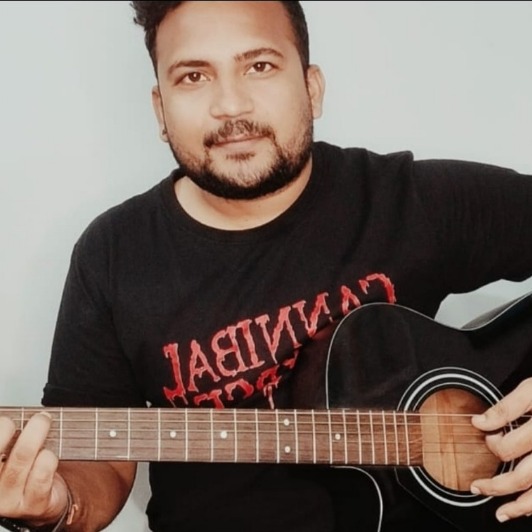
6 Yrs
Skills: Guitar, Guitar Chords, Guitar Scales, Acoustic Fingerstyle Guitar, Guitar - Acoustic, Guitar - Electric, Music Theory, Finger exercises, Ear Training, Musical education, Ear Training and Improvisation, String instruments

8 Yrs
Skills: Electric Blues Guitar, Guitar, Guitar and Bass, Guitar Basics, Guitar Beginner Series, Guitar Chords, Guitar Grades, Guitar Scales, Guitar Theory, Advanced Guitar Techniques, Learn Guitar, Adaptive Music Lessons, Vocal Coaching, Vocal Exercise, Vocal for Kids, Vocal Lessons, Vocal Quality Training, Vocal Singing, Vocal Technique, Vocal Training, Bollywood Singing, Guitar (acoustic), Guitar (electric), Bass Guitar, Singing (soprano), Singing (alto), Singing (tenor), Singing (bass), Pop Singing, Rock Singing, Choral Singing, Pop Music, Rock Music, Blues Music, Guitar - Acoustic, Guitar - Electric, Music Theory, Western Vocal, Custom Singing Practice, Music Classes

2 Yrs
Skills: Guitar, Guitar Basics, Guitar Chords, Guitar Scales, Bass Guitar, Mandolin, Guitar - Acoustic, Guitar - Electric, Ukulele, Music Theory, Finger exercises, Ear Training, Musical education, String instruments, Western Music Theory
5 Yrs
Skills: Guitar, Guitar Chords, Guitar Scales, Keyboard, Rock Music, Music Theory, Music Classes, Musical keyboard, Finger exercises, Ear Training, Ear Training and Improvisation
5 Yrs
Skills: Piano, Piano for Adults, Piano for Kids, Piano Teaching (improvisation, Arranging Melodies), Piano Theory, Sight Reading, Music Theory, Musical keyboard, Ear Training
25 Yrs
Skills: Skill Development, Music Theory, Music Classes, Ear Training, Western Music Theory
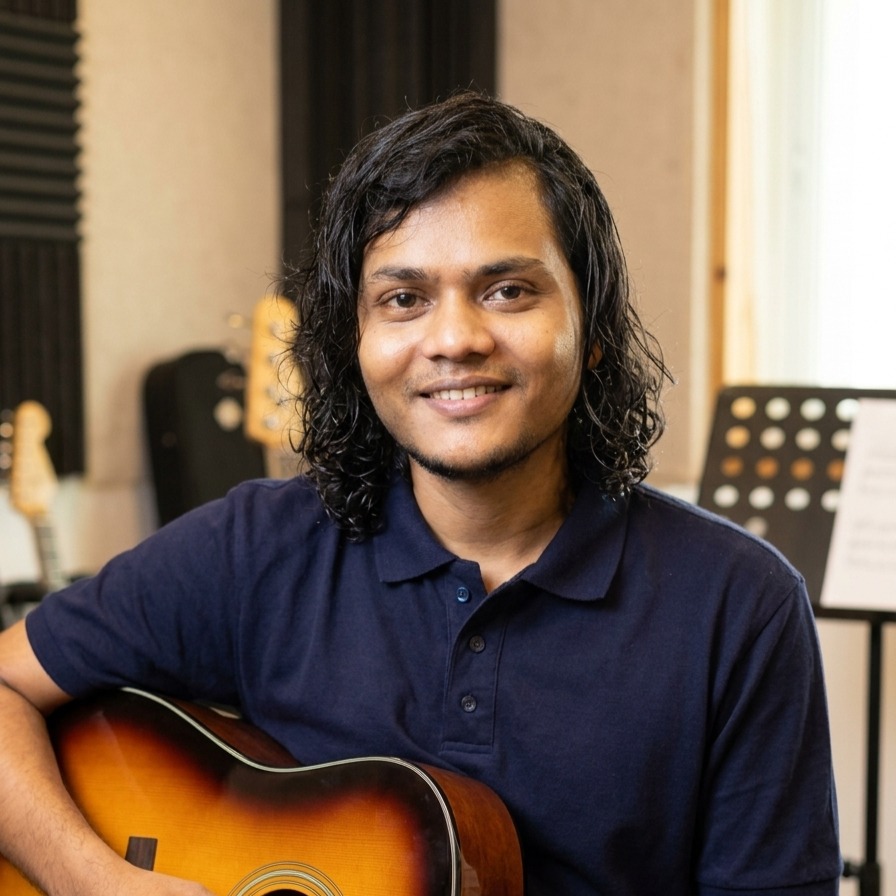
8 Yrs
Skills: Guitar, Guitar Chords, Ukelele, Bass Guitar, Guitar - Acoustic, Guitar - Electric, Music Theory, Ear Training
11 Yrs
Skills: Basic Keyboard, Carnatic Keyboard, Guitar, Piano Keyboard Music Theory, Vocal Carnatic Music, Classical Keyboard, Bass Guitar, Violin, Keyboard, Carnatic Vocal, Guitar - Acoustic, Guitar - Electric, Music Theory, Carnatic Music, Ear Training, Musical education, String instruments, Western Music Theory
12 Yrs
Skills: Vocal Carnatic Class, Vocal Carnatic Music, Vocal Music, Music Theory, vocals
7 Yrs
Skills: Guitar, Guitar Basics, Ukelele, Guitar (electric), Guitar - Acoustic, Music Theory
8 Yrs
Skills: Christian Hymns on Piano, Piano, Keyboard, Music Theory, Musical keyboard, Western Music Theory
8 Yrs
Skills: Tabla Theory, Tabla, Music Theory, Musical education

4 Yrs
Skills: Piano, Piano (kids), Keyboard, Music Theory, Music for children, Western Music Theory
5 Yrs
Skills: Basic Keyboard, Basic Keyboard Note Reading, Bollywood Songs on Keyboard, Guitar, Piano, Piano (kids), Piano Keyboard Music Theory, Keyboard, Music Theory, Music for children, Musical education
5 Yrs
Skills: Violin, Viola, Music Theory
12 Yrs
Skills: Guitar, Guitar and Bass, Music Exams Pg, Ug, Diploma and Certificate, Adaptive Music Lessons, Rudiments of Music, Ukelele, Classical Music, Pop Music, Rock Music, Music Theory
Browse qualified tutors, compare profiles, and connect directly.

Join thousands of tutors who are sharing their knowledge and helping students succeed.


We'll match you with tutors based on your goals, budget, and schedule.
Chat With UsIf you can play a piece but can't explain why the chords work, or you're stuck at Grade 4 on your instrument because you haven't cleared the Grade 5 theory paper most boards require, you need a music theory tutor, not another practical lesson. Online music theory tutoring on FindMyGuru connects you with tutors who teach notation, harmony, ear training, and exam-board syllabi over video call — with screen-shared sheet music, real-time correction, and a session recording you can rewatch.
Music theory covers more ground than most learners expect, and a good tutor won't lump it all into one generic "theory class."
Notation and rhythm reading — clefs, key signatures, time signatures, and reading a score at sight
Harmony and composition basics — chord construction, cadences, transposition, and simple arranging
Ear training and aural skills — interval recognition, sight-singing, and dictation, usually tested alongside written theory
Exam-board theory — structured ABRSM or Trinity College London grade syllabi, since most instrumental students need Grade 5 theory cleared before sitting higher practical grades
Indian classical theory — raga structure, tala, and sargam notation for Carnatic or Hindustani vocal and instrumental students, which Western-only platforms rarely cover well
Tell your tutor upfront which of these you need — a Grade 2 ABRSM candidate and a working professional brushing up on chord theory for songwriting need completely different lesson plans.
Theory doesn't need a physical instrument in the room, which makes it one of the easiest subjects to learn well online — provided the tutor uses the right setup.
What to check before you commit:
The tutor shares notation software or a digital whiteboard on screen, not just a webcam pointed at a book
Aural/ear-training drills are built into the plan, not left for you to self-study
Sessions are recorded or summarized so you can revise between classes
The tutor can flex timing around school, college, or work hours — a real advantage over a fixed weekly offline slot
Match the tutor to your exam board, not just the subject. An ABRSM specialist and a Trinity specialist teach overlapping content but structure it differently around each board's paper format — ask which boards a tutor has actually prepared students for.
Ask about their own theory grade or academic background. Tutors teaching Grade 5+ theory should ideally hold a theory qualification at or above that level themselves, or have a formal music degree.
Request a sample explanation before booking a full course. A five-minute walkthrough of, say, key signatures or interval identification tells you more about teaching clarity than any bio.
Confirm the format for aural practice. Some tutors play intervals/rhythms live over the call; others use a shared app. Either works, but you should know which before your first paid session.
The demand isn't just school kids cramming for an exam. On FindMyGuru, online music theory tutors typically work with:
School students preparing for CBSE, ICSE, or IB music coursework
Instrumentalists stuck below Grade 5 practical because their theory paper isn't cleared yet
Carnatic and Hindustani vocal or instrumental students learning raga and tala theory alongside their guru's practical training
Adult hobbyists and self-taught musicians who can play but want to understand what they're playing
Aspiring songwriters, composers, and music production students who need harmony fundamentals
Music theory tutoring is generally priced per hour or per structured course, and rates vary with the tutor's qualifications, the exam board, and whether you're booking 1:1 or group sessions. As an indicative range, expect 1:1 online theory sessions to sit somewhat below equivalent practical instrument lessons, since no instrument setup is required — but always confirm a tutor's exact rate, package options, and cancellation policy directly on their profile before booking, rather than assuming a fixed number.
FindMyGuru lists tutor profiles with their skills, teaching experience, and city, so you can filter for music theory specialists rather than scrolling through general music teacher listings. You can compare multiple tutors side by side, message them directly to ask about exam-board experience or trial availability, and book without the platform taking a cut of your learner fee. Every profile shows what else the tutor teaches — useful if you'd eventually like theory and practical lessons (say, guitar or vocals) from the same person.
Searching for online music theory tutors near me doesn't limit you to your city the way an offline search would — "near me" for an online class really means a tutor working in your time zone with slots that fit your schedule. Use FindMyGuru's location and availability filters to narrow by that instead of by geography.
When people ask for the best online music theory tutors, there's no single verified ranking — treat "best" as best for your specific goal. A Grade 8 ABRSM candidate needs a different tutor than a Carnatic vocal student learning raga theory for the first time. Compare tutors on their stated experience, the exam boards or systems they teach, and student feedback on their profile, rather than looking for a generic top-10 list.
The fastest way to know if a tutor is right for you is a single trial session — most online music theory tutors on FindMyGuru will walk you through a topic live so you can judge their teaching style before committing to a full course. Browse profiles, shortlist a couple of tutors whose exam-board experience matches your goal, and message them directly to ask about availability.
If you teach music theory yourself, list your profile on FindMyGuru to reach students searching specifically for theory tutoring — you keep full control of your pricing and your revenue.
Practical lessons teach you to play an instrument or sing; theory teaches you to read, write, and understand the notation and structure behind the music. Most exam boards require both, and many instrumentalists only tackle theory seriously once it starts gating their practical grade.
No. Theory can be learned on its own, though having some instrument or vocal background makes concepts like intervals and chords easier to internalize since you can hear them, not just read them.
Both are internationally recognized and cover similar ground, but their paper formats and pacing differ slightly. If you're already sitting practical exams with one board, it's usually simpler to stay with that board's theory syllabus for consistency.
Yes — several tutors on FindMyGuru teach raga structure, tala, and sargam notation for Carnatic and Hindustani students alongside or independent of practical vocal and instrumental training.
This depends heavily on your starting point and how consistently you study, so avoid trusting any tutor who promises a fixed timeline before assessing you. A tutor can give you a realistic estimate after your first session or two.
A laptop or tablet with a stable internet connection and video call access is usually enough. Some tutors will ask you to keep manuscript/staff paper and a pencil handy for notation exercises.
For theory specifically, yes — since the subject is largely visual and written rather than physically hands-on, screen-sharing notation and recorded sessions cover most of what an offline classroom offers, and you gain scheduling flexibility in return.
Search for music theory tutors, filter by exam board or online availability, open a profile you like, and message the tutor directly to ask about a trial session — there's no charge from FindMyGuru to connect.