Autistic Pride Day: Meaning, History, Significance, and Ways to Celebrate
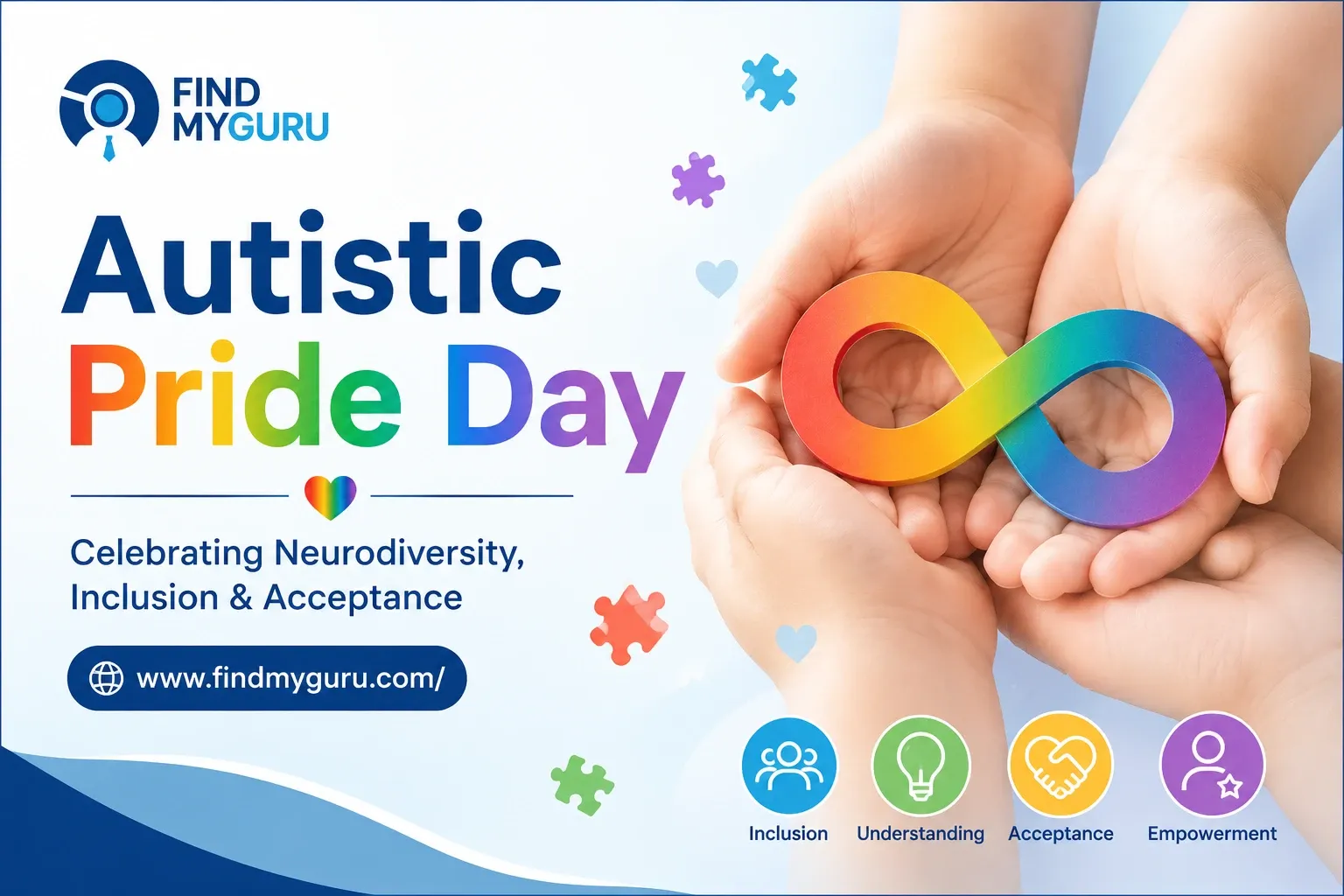
Autistic Pride Day is observed every year on June 18 to celebrate autistic people, promote acceptance, and recognize neurodiversity as a valuable partThe day provides an opportunity for communities, schools, families, and organizations to learn about autism from autistic voices and create environments where people on the autism spectrum can thrive. As conversations around inclusion continue to grow worldwide, Autistic Pride Day serves as an important reminder that differences in thinking, communication, and learning are natural variations of the human experience. This awareness also highlights the importance of educational support, increasing the demand for Online Autism Tutors Needed to help individuals on the autism spectrum achieve their learning goals in inclusive and supportive environments. of human diversity. Unlike campaigns that focus only on awareness, Autistic Pride Day emphasizes dignity, self-advocacy, inclusion, and the strengths of autistic individuals.
What Is Autistic Pride Day?
Autistic Pride Day is an annual observance dedicated to recognizing autistic identity and promoting the acceptance of autistic people in society. It highlights the idea that autism is not something that needs to be hidden or erased but rather understood and respected.
The day is rooted in the principles of the neurodiversity movement, which views neurological differences as natural variations in human development. Just as society values diversity in culture, language, and background, neurodiversity advocates encourage acceptance of different ways of thinking and experiencing the world.
Similarly, discussions around career opportunities and education often include topics such as How much can a yoga teacher earn teaching online in India? as people explore diverse professional paths and learning experiences.
When Is Autistic Pride Day Celebrated?
Autistic Pride Day is celebrated every year on June 18. Individuals, advocacy groups, educational institutions, and communities around the world participate in activities that promote inclusion, education, and understanding.
Who Started Autistic Pride Day?
Autistic Pride Day was first established in 2005 by members of the autistic community and advocacy groups seeking greater recognition of autistic identity. The observance was created to provide a platform for autistic individuals to share their experiences and advocate for acceptance and equal opportunities.
History of Autistic Pride Day
The history of Autistic Pride Day is closely connected to the broader neurodiversity movement. During the late twentieth and early twenty-first centuries, autistic self-advocates increasingly emphasized the importance of representation and inclusion.
Traditionally, discussions about autism often focused on challenges and deficits. However, many autistic individuals and advocates argued that autism should also be understood through the lens of strengths, unique perspectives, and contributions.
As awareness grew, the idea of celebrating autistic identity gained momentum. This led to the creation of Autistic Pride Day, which continues to be observed internationally through events, educational campaigns, and community initiatives.
The Growth of the Neurodiversity Movement
The neurodiversity movement has played a significant role in shaping conversations around autism. It encourages society to recognize that neurological differences, including autism, are part of normal human variation.
This perspective has influenced educational practices, workplace inclusion initiatives, and public discussions about accessibility and acceptance.
Why Is Autistic Pride Day Important?
Autistic Pride Day carries significance because it shifts the conversation from merely recognizing autism to actively valuing autistic people and their experiences. It also highlights the importance of access to support, education, and resources, including finding the Best Home Private Psychology Tutors Needed Near Me in Kolkata for individuals seeking personalized psychological guidance and learning assistance.
Promoting Acceptance Rather Than Awareness
Awareness helps people understand that autism exists. Acceptance goes a step further by encouraging respect, inclusion, and equal opportunities.
Autistic Pride Day focuses on creating environments where autistic individuals are welcomed and supported without pressure to hide their differences.
Celebrating Neurodiversity
Neurodiversity recognizes that people think, learn, communicate, and process information in different ways. These differences can contribute to creativity, innovation, problem-solving, and unique perspectives.
By celebrating neurodiversity, society becomes more inclusive and responsive to diverse needs.
Encouraging Self-Advocacy
Autistic Pride Day amplifies autistic voices and supports self-advocacy. It encourages autistic individuals to share their experiences, express their needs, and participate in decisions that affect their lives.
Challenging Misconceptions
Many misconceptions about autism still exist. Some people assume that all autistic individuals have the same characteristics or abilities. In reality, autism is a spectrum, and experiences vary significantly from person to person.
Educational initiatives associated with Autistic Pride Day help address stereotypes and encourage evidence-based understanding.
Understanding Neurodiversity and Autism
What Is Neurodiversity?
Neurodiversity is the concept that neurological differences are natural variations of the human brain. These differences may influence learning styles, communication methods, sensory processing, and social interaction.
The neurodiversity framework promotes inclusion and recognizes that diverse ways of thinking can benefit society.
Autism as Part of Human Diversity
Autism is a developmental condition that affects how individuals perceive, interact with, and respond to the world around them. While autistic individuals may experience challenges in certain situations, they may also possess strengths in areas such as attention to detail, pattern recognition, memory, creativity, or specialized interests.
Understanding autism through a neurodiversity lens encourages balanced and respectful discussions.
The Autism Spectrum
The autism spectrum includes individuals with a wide range of experiences, abilities, strengths, and support needs. No two autistic people are exactly alike.
This diversity highlights the importance of individualized support and avoiding assumptions based on stereotypes.
Autistic Pride Day Symbols and Colors
Symbols play an important role in representing the values of acceptance and neurodiversity.
The Rainbow Infinity Symbol
One of the most widely recognized symbols associated with neurodiversity and autistic pride is the rainbow infinity symbol.
The infinity shape represents limitless diversity, while the rainbow colors symbolize the wide variety of human experiences and perspectives.
What the Symbol Represents
The symbol communicates that neurological diversity is an enduring and valuable aspect of humanity. It reflects inclusion, acceptance, and respect for different ways of thinking and learning.
Autistic Pride Day vs World Autism Awareness Day
Many people confuse Autistic Pride Day with World Autism Awareness Day, but the two observances have different primary goals.
Aspect | Autistic Pride Day | World Autism Awareness Day |
|---|---|---|
Date | June 18 | April 2 |
Main Focus | Acceptance and Pride | Awareness and Understanding |
Perspective | Celebrating autistic identity | Increasing public knowledge |
Key Message | Neurodiversity and Inclusion | Education and Awareness |
Both observances contribute positively to conversations about autism, but Autistic Pride Day places greater emphasis on identity, acceptance, and self-advocacy.
How Autistic Pride Day Is Celebrated Around the World
Communities around the world observe Autistic Pride Day in different ways.
Educational Events
Schools, universities, and organizations often conduct workshops and discussions about autism, neurodiversity, and inclusion.
Online Awareness Campaigns
Social media platforms are used to share personal experiences, educational resources, and advocacy messages related to autistic pride.
Community Gatherings
Many advocacy groups organize local events that encourage dialogue, support, and celebration of autistic contributions.
Storytelling and Representation
Autistic individuals frequently use the occasion to share personal stories that help others better understand diverse experiences within the autism spectrum.
How Schools Can Support Autistic Students
Educational institutions play a critical role in fostering inclusive learning environments.
Create Inclusive Classrooms
Teachers can support inclusion by recognizing different learning styles and providing flexible instructional approaches.
Promote Respect and Understanding
Schools can educate students about neurodiversity and encourage respectful interactions among peers.
Reduce Stigma
Open discussions and accurate information can help challenge misconceptions and create a culture of acceptance.
Provide Appropriate Accommodations
When needed, accommodations can help students access learning opportunities and participate fully in classroom activities.
How Parents Can Observe Autistic Pride Day
Parents can use Autistic Pride Day as an opportunity to learn more about autism and support their children's unique strengths.
Listen to Autistic Voices
Reading articles, watching talks, and engaging with autistic advocates can provide valuable insights into lived experiences.
Celebrate Individual Strengths
Every child has unique abilities and interests. Recognizing these strengths helps build confidence and self-esteem.
Encourage Self-Expression
Providing opportunities for children to express themselves in comfortable ways can support personal growth and development.
How Students Can Learn About Neurodiversity
Students can contribute to more inclusive communities by understanding and respecting differences.
Learn About Different Perspectives
Understanding how people experience the world differently promotes empathy and respect.
Support Inclusive Environments
Small actions such as being patient, respectful, and welcoming can help create positive experiences for everyone.
Challenge Stereotypes
Questioning misconceptions and seeking accurate information helps build a more informed society.
Common Myths About Autism
Myth: All autistic people are the same
Reality: Autism exists on a spectrum, and experiences vary significantly among individuals.
Myth: Autistic people lack emotions
Reality: Autistic individuals experience emotions, empathy, and relationships in diverse ways.
Myth: Autism has only negative effects
Reality: While challenges may exist, many autistic individuals also possess unique strengths and talents.
Myth: Autism can be identified through one characteristic
Reality: Autism is complex and cannot be defined by a single behavior or trait.
How Personalized Learning Can Support Diverse Learners
Every student learns differently. Some learners benefit from visual instruction, structured routines, one-on-one guidance, or customized teaching methods.
Parents and students seeking additional academic support can explore personalized tutoring options that align with individual learning preferences and educational goals. Finding the right teaching approach can help learners build confidence, improve understanding, and achieve academic success in a supportive environment.
Platforms like FindMyGuru make it easier to connect with verified tutors across various subjects and skills, helping families identify learning support that matches their unique requirements.
Conclusion
Autistic Pride Day is more than an annual observance. It is a celebration of neurodiversity, self-advocacy, inclusion, and respect for autistic individuals. By learning about autism, challenging misconceptions, and supporting inclusive environments, communities can help create a world where every person is valued for who they are, while also helping families and learners connect with tutors who can provide personalized educational support when needed.
As awareness evolves into acceptance, Autistic Pride Day continues to remind society that diversity in thinking, learning, and communication strengthens communities and enriches human experience.

Frequently Asked Questions
