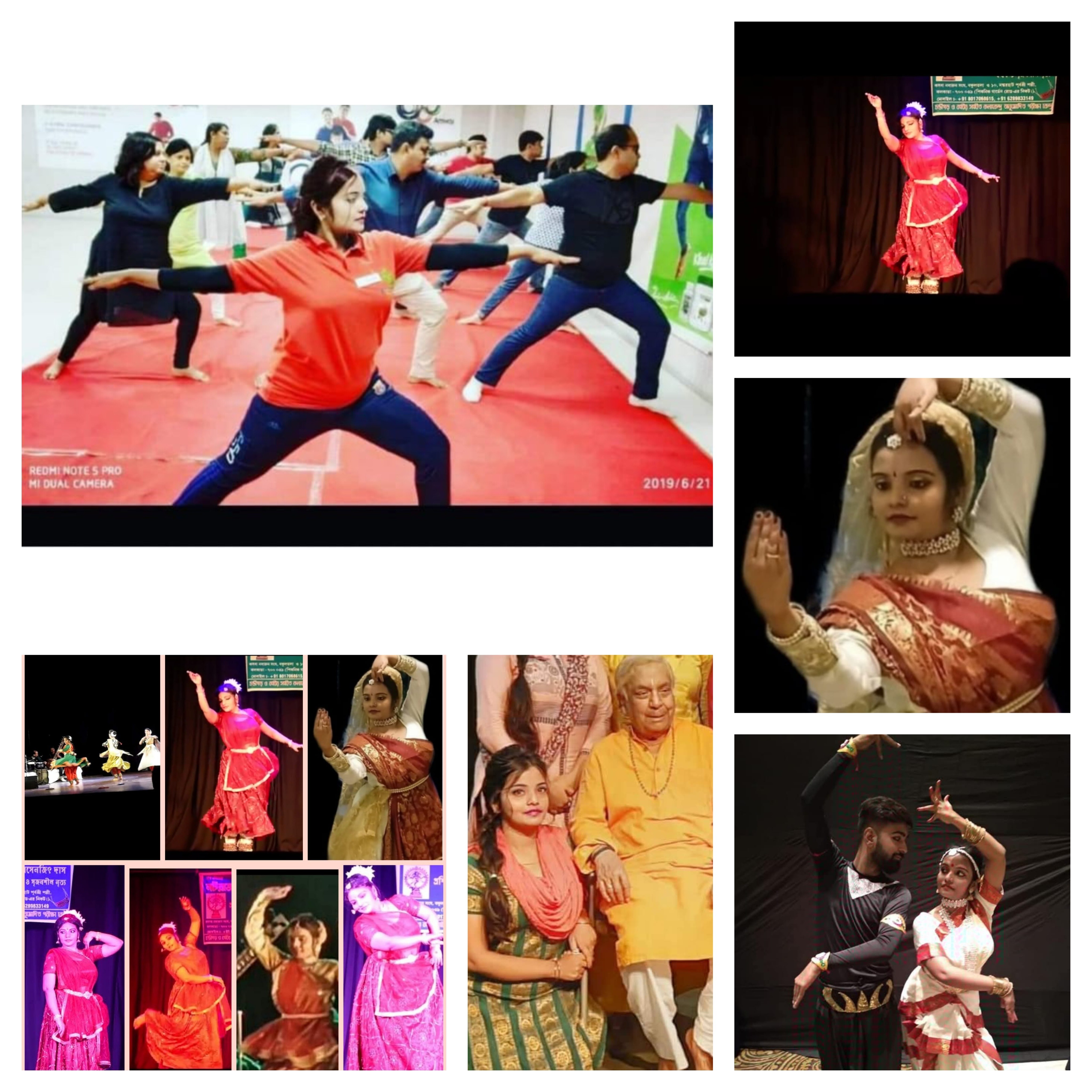
YOGA / KATHAK/ BHARATNATYAM
10 Yrs
Skills: Kathak, yoga, Bharatnatyam, Kathak Dance
Tutors & Institutes:
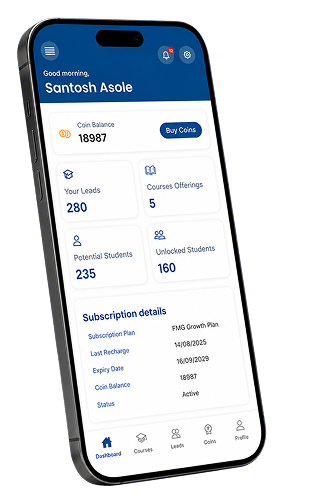
The "FindMyGuru for Tutor" App is LIVE! Download now and never miss a student enquiry.
Tutors & Institutes:
The "FindMyGuru for Tutor" App is LIVE! Download now and never miss a student enquiry.

Find experienced online Bharatanatyam tutors who teach Kalakshetra, Pandanallur, and other banis over live video. Compare profiles, check teaching style, and connect directly to book a trial class.
10 Yrs
Skills: Kathak, yoga, Bharatnatyam, Kathak Dance
10 Yrs
Skills: Kathak, yoga, Bharatnatyam, Kathak Dance, Bharthnatyam, Classical Dance

15 Yrs
Skills: Bharatnatyam Thanjavur-pandanallur, Bharatnatyam
Browse qualified tutors, compare profiles, and connect directly.

Join thousands of tutors who are sharing their knowledge and helping students succeed.


We'll match you with tutors based on your goals, budget, and schedule.
Chat With UsBharatanatyam translates well to a screen, more so than most classical dance forms, because so much of the early training is about isolated technique: adavus, hand positions, footwork counts, and posture correction that a tutor can watch and fix over live video almost as easily as in person. What online classes can't replace is stage spacing, group choreography timing, and the physical adjustment a guru makes by hand — which is why most experienced tutors on FindMyGuru either run periodic in-person intensives alongside their online sessions, or ask advanced students to visit for arangetram preparation. If you're starting from zero or continuing at beginner-to-intermediate level, though, a good online Bharatanatyam tutor can take you the whole way.
This page helps you find and evaluate online Bharatanatyam tutors on FindMyGuru — what to check before you commit, what a typical class actually involves, and how much you should expect to budget.
Not every tutor who "teaches Bharatanatyam" trained the same way, and the differences matter more than they do in, say, a school subject. Before booking a trial class, check the following.
Which bani (style) they teach. Kalakshetra, Pandanallur, Vazhuvoor, Thanjavur, and Mellatur are the major schools, each with a distinct posture, aramandi depth, and movement vocabulary. If you've trained before, staying within (or knowingly switching) your bani avoids re-learning muscle memory. If you're a complete beginner, this matters less at first — but ask anyway, since it tells you how the tutor was trained.
Their guru lineage and training background. Look for who they trained under, how many years of training they've completed, and whether they hold a diploma, an Arangetram credential, or a degree in Bharatanatyam (BFA/MA are increasingly common among younger tutors). A tutor's own performance history — number of years performing, whether they've done their own Arangetram — is a reasonable proxy for depth of training.
Teaching experience with your age group and level. A tutor who's spent years training 6-year-olds for their first adavus teaches very differently from one who specializes in adult beginners or exam-board dance electives. Ask directly.
How they structure online sessions. Do they use a large mirror and full-body camera framing so footwork is visible? Do they record sessions for practice? Do they follow a fixed syllabus (adavus → jatis → varnam → padam) or build one around you?
What a trial class actually tells you. Book one before committing to a term. Watch whether the tutor corrects posture in real time, whether they explain the "why" behind a movement (not just demonstrate it), and whether the pace suits your child or yourself.
Most tutors on FindMyGuru offer both one-on-one and small-batch group classes, usually over Zoom or Google Meet, in 45–60 minute sessions once or twice a week. One-on-one is faster for correcting individual technique; small batches (3–6 students) work well for kids, since they mirror the energy of a physical class and cost less per session.
Age groups: Tutors commonly start children from age 5–6, once basic balance and rhythm sense are in place. Teen and adult batches are increasingly common too — several tutors on the platform teach adult beginners exclusively, including working professionals learning purely for personal interest rather than performance.
Space and equipment: You'll need a clear floor area (roughly 6×6 feet), a full-length mirror if possible, a stable internet connection, and a device positioned to capture your full body, not just the upper half. Salangai (ankle bells) are usually introduced only after a tutor confirms basic footwork is solid — most will tell you when to buy a pair rather than have you start with them.
Formats offered: Structured adavu-to-varnam syllabi for serious learners, shorter "appreciation" or fitness-oriented modules for adults who want the movement and discipline without performance goals, and exam or school-competition prep for students needing a specific piece choreographed.
There's a common assumption that classical dance training has to start in childhood to "count." It doesn't. Bharatanatyam's technique is demanding, but adult beginners with no prior dance background regularly reach a comfortable performing level within 2–3 years of consistent practice — the body just takes longer to build flexibility and stamina than a child's does, not longer to learn the vocabulary. Tutors who specifically teach adult batches tend to pace differently: more warm-up and joint mobility work upfront, less pressure around competition timelines.
If you're searching for Bharatanatyam classes for adults, filter for tutors who explicitly mention teaching adult beginners in their profile — the pacing and tone of a class built around working professionals is noticeably different from one built around 7-year-olds.
Fees vary by the tutor's experience, the bani taught, whether it's one-on-one or group, and city of the tutor (even for online classes, tutors based in cities with a higher cost of living tend to price sessions a little higher). As a rough, indicative range: beginner group batches tend to sit at the lower end per session, while one-on-one classes with a highly experienced or performing tutor cost more per hour. Exact numbers vary enough by tutor that we'd rather you compare real quotes than rely on a number here — every tutor profile on FindMyGuru lists their fee structure, and you can message several before deciding.
Tutors themselves earn variably too — it depends on whether they teach independently, through an academy, how many batches they run, and their own performance and teaching credentials, so there's no single "salary" figure that applies across the board. Independent tutors with an established student base and a mix of one-on-one and group classes generally earn more per hour than those just starting out or working through a listing platform's shared batches.
Bharatanatyam classes near me — If in-person training fits your schedule better, or you'd like to combine online sessions with occasional offline intensives, FindMyGuru also lists city-based Bharatanatyam tutors. Search by your locality to compare who's teaching nearby, including fee ranges specific to in-person batches.
Bharatanatyam dance classes online — Beyond one-on-one tutoring, some FindMyGuru tutors run structured online cohorts with a fixed syllabus and term-based enrollment, useful if you prefer a set schedule over flexible individual bookings.
Classical dance online classes — If you're open to exploring beyond Bharatanatyam, tutors on the platform also teach Kuchipudi, Kathak, Mohiniyattam, and Odissi online, several of whom teach more than one form.
Bharatanatyam classes near me with fees — When comparing in-person options, check each tutor's listed fee range directly on their profile rather than relying on a generic city-wide estimate — batch size, tutor experience, and locality all move the number.
FindMyGuru lists verified tutors across 50+ cities, teaching both online and offline, and the difference from a general classifieds search is that you can actually compare before reaching out: profiles show training background, bani, years of experience, student age groups taught, and — where the tutor has added it — an indicative fee range. There's no commission charged to students, and no middleman managing your classes; once you find a tutor whose style and pricing work for you, you contact them directly, agree on a schedule, and start. If you're a Bharatanatyam teacher yourself, you can list your profile on FindMyGuru and start receiving enquiries from students searching exactly this way.
If you're ready to begin, search online Bharatanatyam tutors on FindMyGuru, compare a few profiles across bani and experience level, and book a trial class before committing to a term. If you teach Bharatanatyam and want to reach students actively searching for classes like yours, list your tutor profile — it takes a few minutes and puts you in front of learners across India and beyond.
Yes. Foundational technique — adavus, hand gestures (mudras), footwork, and posture — transfers well to live video classes, and most beginner-to-intermediate training can be completed fully online. Advanced stage choreography and Arangetram preparation often benefit from at least some in-person sessions with your guru.
There's no single fixed figure — it depends on whether the tutor teaches independently or through an academy, their experience and performance credentials, and how many one-on-one versus group batches they run. Established independent tutors with a strong student base typically earn more per hour than those just starting out.
Costs vary by tutor experience, class format (one-on-one vs. group), and bani taught. Rather than a fixed number, treat listed fees as a range and compare a few tutor profiles directly, since pricing differs meaningfully between an experienced performing tutor and a newer one.
Most tutors start children around age 5–6, once basic balance and rhythm are in place, but there's no upper age limit. Adult beginners with no prior training regularly reach a comfortable performing level within a couple of years of consistent practice.
They're two of Bharatanatyam's major banis, differing in posture depth, movement sharpness, and stylistic emphasis — Kalakshetra is generally more geometric and structured, Pandanallur more fluid and expressive. If you've trained before, it's worth staying consistent with your original bani; beginners can simply ask a tutor which they teach.
A clear floor space of roughly 6×6 feet, a device positioned to capture your full body (not just the upper half), and ideally a full-length mirror. Salangai (ankle bells) are usually added only once a tutor confirms your footwork is ready for them.
For technique-building at beginner and intermediate levels, largely yes, provided the tutor can see your full body clearly on camera and corrects posture in real time. For group choreography, stage spacing, and Arangetram-level refinement, most tutors recommend supplementing with at least occasional in-person sessions.
It's possible, but Arangetram preparation almost always involves some in-person time with your guru for stage blocking, costume fitting, and final choreography refinement, even if the bulk of your training happened online. Discuss this timeline with your tutor well before you're performance-ready.