How to Prevent Cyberbullying
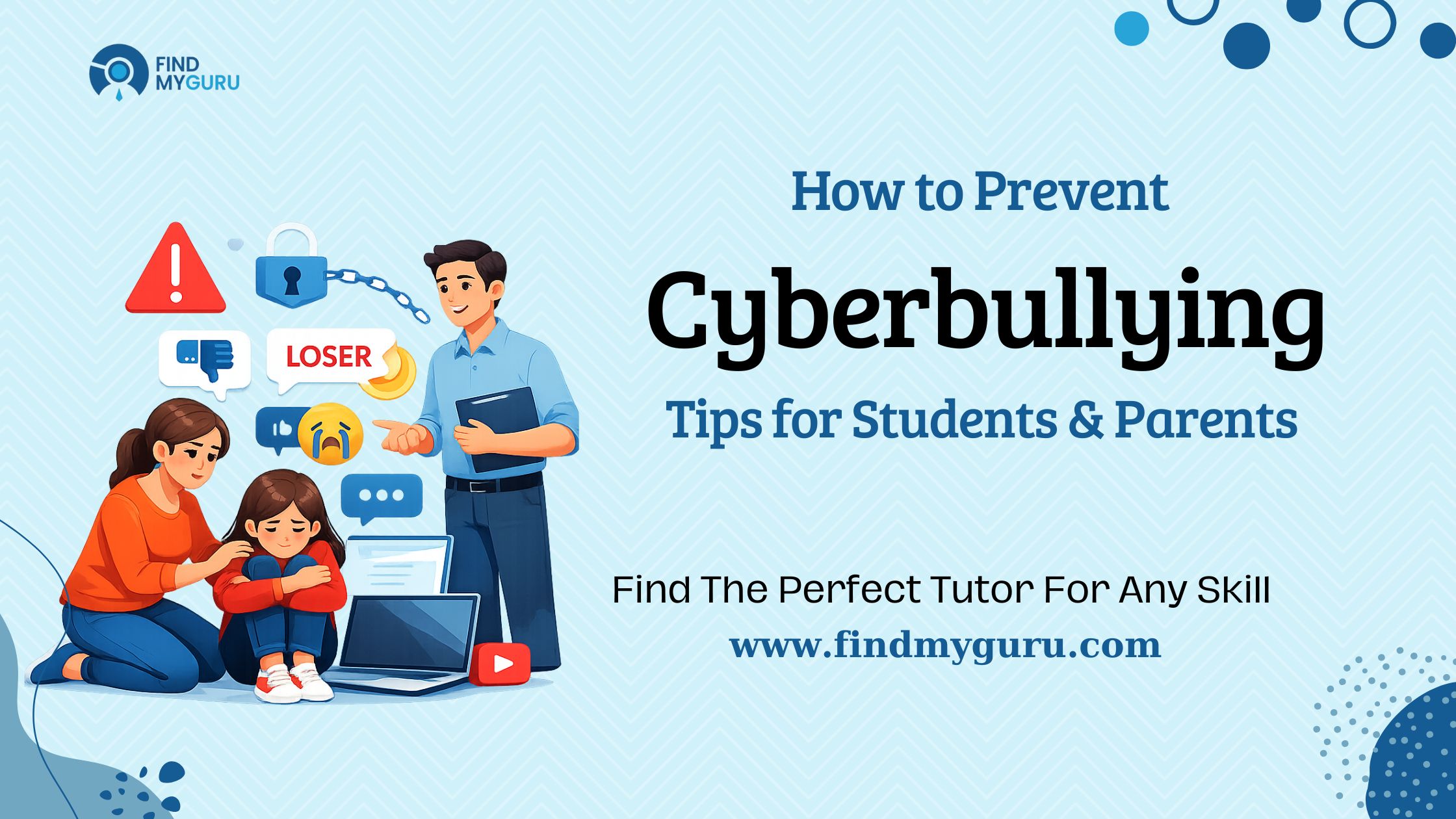
Cyberbullying has become a serious concern as students increasingly interact through social media, messaging apps, gaming platforms, and digital classrooms. Preventing cyberbullying requires awareness, early intervention, and coordinated action from students, parents, teachers, and institutions.
This guide explains how to prevent cyberbullying, outlines practical steps to stop it, and highlights trusted support resources.
What is Cyberbullying?
Cyberbullying is bullying that happens through digital technologies such as social media, messaging platforms, gaming communities, and mobile phones. It typically involves repeated behavior intended to scare, shame, or anger the targeted person. Students and parents searching for personal tuition near me should also ensure that learning environments promote digital safety awareness and responsible online behavior..
Examples include:
Spreading false information or posting embarrassing content
Sending abusive or threatening messages
Impersonating someone online
Sharing harmful images or videos
UNESCO also describes cyberbullying as digital harassment that may include threatening messages, rumor-spreading, or sharing harmful content, often affecting students in school environments.
Unlike traditional bullying, cyberbullying leaves a digital footprint, which can help provide evidence when reporting incidents.
Why Preventing Cyberbullying Is Critical
When bullying occurs online, it can feel constant and unavoidable because digital spaces follow students everywhere—even into their homes. Awareness programs offered by online institutes India can help students understand cyberbullying, digital safety, and strategies for responding to online harassment.
The effects may include:
Mental distress such as fear, embarrassment, or anger
Emotional withdrawal and loss of interest in activities
Physical symptoms like sleep loss, headaches, or stomach aches
Cyberbullying can also lead to anxiety, loneliness, negative self-talk, and isolation from friends and family.
Early prevention protects not only academic progress but also long-term emotional well-being.
Common Forms of Cyberbullying Students Should Recognize
Recognizing harmful behavior early is one of the most effective steps to prevent cyberbullying.
Typical forms include:
Harassment through repeated hostile messages
Public shaming on social platforms
Identity impersonation
Rumor spreading
Online exclusion
All of these behaviors fall under digital harassment and should be addressed promptly.
Warning Signs a Student May Be Experiencing Cyberbullying
Students often hesitate to report bullying. Awareness of behavioral changes helps adults intervene sooner.
Watch for:
Emotional distress after using devices
Withdrawal from friends or school activities
Declining academic performance
Increased secrecy about online behavior
Experts recommend speaking to a trusted adult or school counselor as an important first step toward getting help.
Steps to Prevent Cyberbullying
The following strategies combine global safety guidance and educational best practices.
Teach Digital Citizenship Early
Students should understand that online actions create permanent records. Promoting respectful communication reduces harmful behavior before it starts.
Encourage Open Communication
Children are more likely to report problems when they feel supported. Trusted adults—including parents, teachers, or coaches—should be approachable and non-judgmental.
Strengthen Privacy and Security Settings
Many platforms provide tools to control who can comment, connect, or view posts. Students should learn how to block, mute, and report abusive users.
Promote Kindness and Responsibility Online
Stopping cyberbullying is not only about confronting bullies—it also involves building a culture of respect both online and offline.
Encourage Reporting and Evidence Collection
Saving screenshots and messages can help demonstrate what is happening and support formal complaints.
Build Awareness Within Schools
Educational institutions should guide students on digital risks and provide clear reporting channels to ensure safer learning environments.
How to Stop Cyberbullying When It Happens
If prevention fails, quick action is essential.
Recommended responses include:
Seek help from a trusted adult immediately
Block and report the offender on the platform
Collect evidence such as messages or screenshots
Contact professional support if needed
If there is immediate danger, authorities or emergency services should be contacted.
Role of Parents, Teachers, and Schools
Parents
Parents should stay informed about their child’s online activities and create a safe environment for discussions about digital behavior.
Teachers
Teachers can encourage respectful online interaction and guide students toward safe communication practices.
Schools
Schools play a critical role in establishing reporting systems and fostering safe digital communities for learners.
School violence—including online forms—affects children worldwide, reinforcing the need for institutional prevention efforts.
Technology as a Prevention Tool
Digital platforms increasingly offer safety tools that allow users to restrict interactions and report abusive behavior. These tools are designed to help keep online communities safer.
Students should be encouraged to understand and actively use these protections.
When to Seek Professional Help
Cyberbullying can sometimes escalate into serious emotional distress. Talking to a trusted adult, counselor, or trained professional is recommended if the situation affects mental health or safety.
Many countries provide helplines where children can speak confidentially with trained responders.
How FindMyGuru Helps Students Build Safer Learning Environments
Guided academic support often improves student confidence and reduces vulnerability in digital spaces.
Students and parents can explore structured learning with verified tutors through to build awareness about online threats and protective practices.
Learners interested in future-ready skills can also understand industry demand through Cyber Security Scope, helping them develop responsible digital habits alongside career knowledge.
Access to qualified mentors promotes respectful interactions and supports safer online learning experiences.
Emergency Support and Helplines in India
If a child faces online threats or abuse, immediate support is available.
Child Helpline – 1098: A nationwide, free 24-hour emergency service for children in need of care and protection.
Emergency Response Support System – 112: A pan-India number for police, fire, health, and other emergency services.
Cyber Crime Helpline – 1930: Available for reporting cyber incidents.
Counsellors responding to CHILDLINE can reach a child quickly if crisis assistance is required.
Frequently Asked Questions:
Which method is most effective in preventing cyberbullying?
Early education, open communication, privacy controls, and prompt reporting are among the strongest preventive measures.
Should cyberbullying always be reported?
Yes. Identifying and reporting abuse is key to stopping harmful behavior.
Who should a student talk to first?
A trusted adult—such as a parent, teacher, or counselor—is typically the recommended first point of contact.
Can cyberbullying affect academic performance?
Yes. Emotional distress and school avoidance are common outcomes that may impact learning.