how many asanas are there in yoga
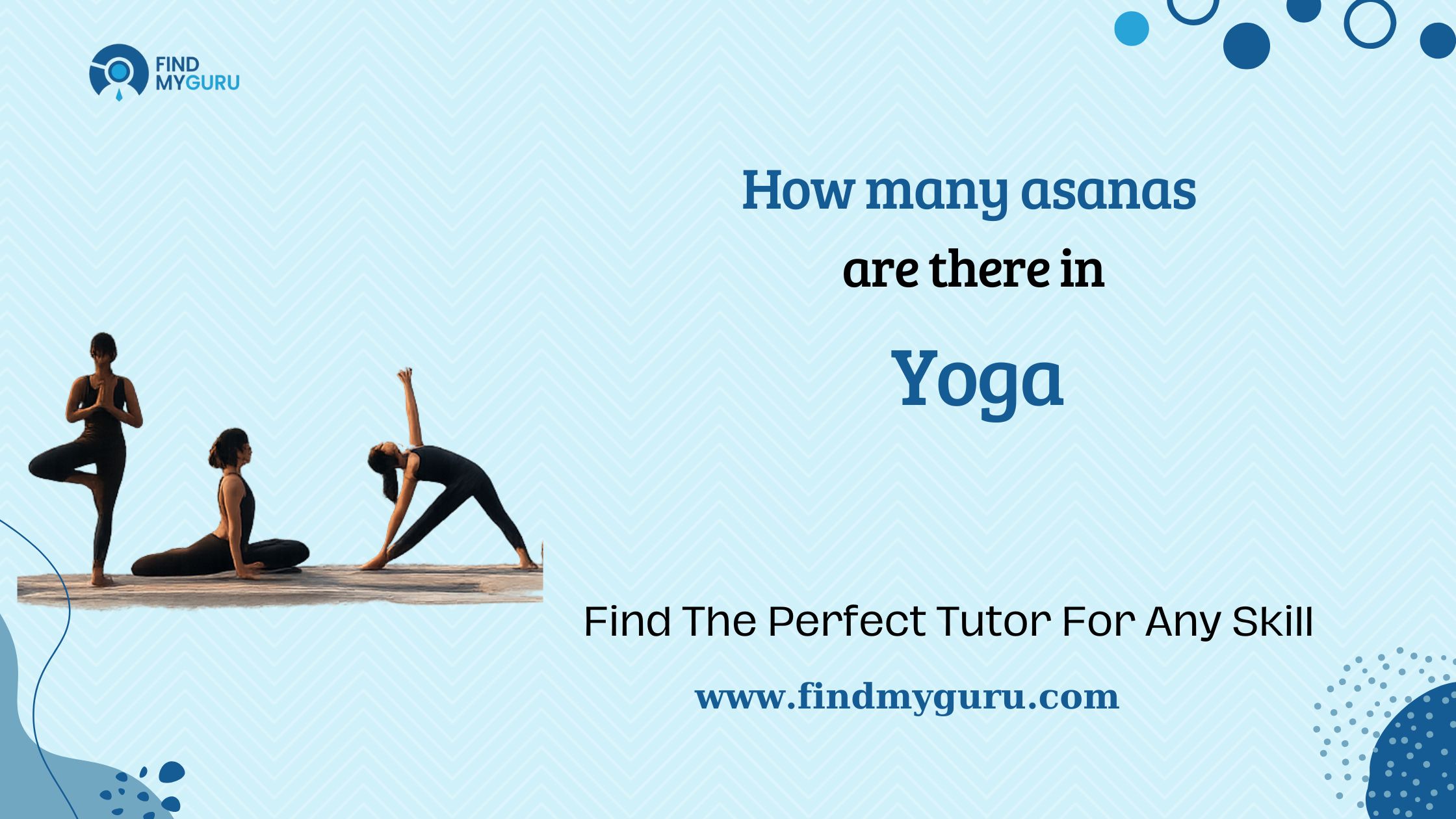
Yoga is an ancient discipline that originated in India and integrates physical postures, breathing techniques, and mental discipline to promote overall well-being. One of the most frequently asked questions by learners and practitioners is how many asanas are there in yoga. This question reflects curiosity about both the traditional roots of yoga and the vast number of postures practiced in modern yoga systems.
Asanas are not only physical exercises but also tools to stabilize the body and prepare the mind for higher practices such as meditation and self-awareness. To fully understand the number of yoga asanas, it is important to examine both classical yoga literature and modern yoga practice.
For those beginning their yoga journey, understanding the purpose and structure of yoga is equally important. A detailed explanation of yoga’s philosophy and meaning is available in this guide on, which explains yoga beyond physical exercise.
What Are Yoga Asanas
The word asana comes from Sanskrit and means “posture” or “seat.” In classical yoga philosophy, an asana is defined as a position that is steady and comfortable. According to the Yoga Sutras of Patanjali, asana is one of the eight limbs of yoga and forms the foundation for physical stability and mental discipline.
Originally, asanas were primarily seated postures used for meditation. Over time, additional standing, balancing, forward-bending, twisting, and back-bending postures were introduced to strengthen the body and improve flexibility. In modern practice, asanas are used for fitness, therapy, stress management, and overall health.
Asanas help develop:
Physical strength and flexibility
Balance and coordination
Body awareness and posture
Mental focus and relaxation
How Many Asanas Are There in Yoga
Classical Perspective
Traditional yoga texts such as the Haṭha Yoga Pradipika and the Gheranda Samhita mention a symbolic number of 84 yoga asanas. This number has been preserved in yogic tradition and is often cited as the classical set of postures.
The 84 asanas include a combination of seated, standing, and reclined poses designed to prepare the practitioner for advanced yogic practices. The number is considered symbolic and represents completeness and harmony in yogic philosophy.
Examples of classical asanas include:
Padmasana (Lotus Pose)
Siddhasana (Accomplished Pose)
Paschimottanasana (Seated Forward Bend)
Mayurasana (Peacock Pose)
These postures were traditionally practiced with strict discipline and guidance from a teacher.
Modern Perspective
In modern yoga systems, the number of asanas has expanded significantly. Contemporary styles such as Hatha Yoga, Ashtanga Yoga, Iyengar Yoga, Vinyasa Yoga, and Power Yoga include numerous variations and newly developed postures.
When variations and therapeutic adaptations are counted, the total number of yoga poses today can reach several hundred or even more than one thousand. There is no universally fixed number in modern yoga because new combinations and modifications continue to emerge.
Thus, the widely accepted answer is:
Traditionally: 84 classical asanas
Modern practice: hundreds to over a thousand asanas
Basic Yoga Asanas With Names
Beginners are encouraged to start with basic yoga asanas that are safe and effective. These poses build a strong foundation before progressing to advanced postures.
Some commonly practiced basic yoga asanas with names include, and learners can also seek guidance from online tutors to ensure proper technique, posture alignment, and safe practice while learning these foundational poses:
Tadasana (Mountain Pose) – It Improves posture and body alignment.
Vrikshasana (Tree Pose) – Enhances balance and concentration.
Adho Mukha Svanasana (Downward-Facing Dog) – Stretches the spine and strengthens arms and legs.
Trikonasana (Triangle Pose) – Strengthens legs and improves flexibility of the torso.
Bhujangasana (Cobra Pose) – It Strengthens the back and opens the chest.
Balasana (Child’s Pose) – Relieves stress and relaxes the spine.
Setu Bandhasana (Bridge Pose) – Strengthens the back and hips.
Paschimottanasana (Seated Forward Bend) –It Stretches the hamstrings and spine.
Sukhasana (Easy Pose) – Used for meditation and breathing practices.
Savasana (Corpse Pose) – Promotes deep relaxation and recovery.
These basic yoga asanas are suitable for most beginners and are included in standard yoga routines.
Benefits of Practicing Basic Yoga Asanas
Regular practice of basic yoga asanas provides physical and mental benefits such as:
Improved flexibility and muscle strength
Better posture and spinal alignment
Enhanced balance and coordination
Reduced stress and anxiety
Improved breathing awareness
Increased energy levels
Asanas also help prepare the body for pranayama (breathing practices) and meditation, making them an essential part of holistic yoga practice.
How to Practice Yoga Asanas Safely
Safety is a key aspect of yoga practice. Beginners should approach asanas gradually and with proper guidance.
Important safety guidelines include:
Warm up before attempting postures
Avoid forcing the body into difficult positions
Maintain steady breathing throughout the practice
Use props if required
Practice under professional guidance
Learning from trained instructors ensures correct alignment and reduces the risk of injury. If you are looking for professional guidance, you can explore certified teachers through find tutor india who offer structured and personalized instruction.
Role of Yoga Philosophy in Understanding Asanas
Asanas are only one part of the yogic system. Yoga also includes ethical principles, breathing techniques, concentration, and meditation. Without understanding the philosophy of yoga, asanas may be reduced to physical exercise alone.
To gain a complete understanding of yoga as a way of life, learners should study its philosophical foundations. A clear explanation of this concept is provided in importance of yoga 10 points, which explains yoga as a path toward harmony between body, mind, and spirit.
Frequently Asked Questions (FAQs)
1. Are there exactly 84 yoga asanas?
Classical yoga texts mention 84 asanas as the traditional and symbolic set of postures. However, this number does not include modern variations.
2. How many yoga poses exist today?
Modern yoga includes hundreds of postures, and when variations are counted, the total may exceed one thousand.
3. What are the most basic yoga asanas for beginners?
Basic asanas include Tadasana, Vrikshasana, Bhujangasana, Balasana, and Savasana.
4. Can beginners practice all yoga asanas?
No. Beginners should start with simple postures and gradually progress to advanced asanas under expert guidance.
5. Why is the number 84 significant in yoga?
The number 84 is traditionally associated with completeness and balance in yogic teachings.
6. How can I learn yoga safely and correctly?
Yoga should be learned from trained instructors to ensure proper technique and safety. You can find experienced teachers through yoga tutors in Hyderabad.