advantages of social media for students
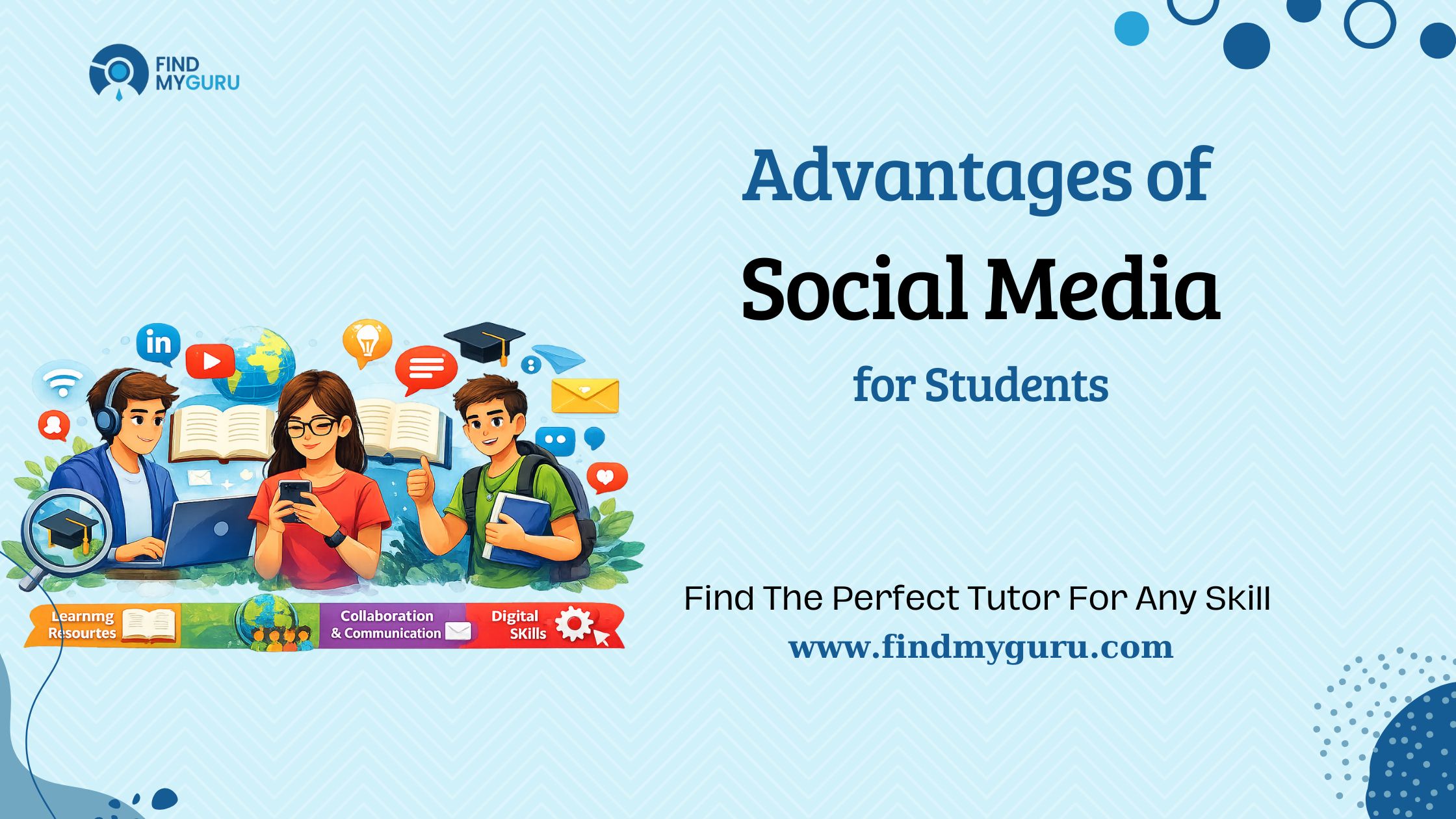
Social media has transformed how students learn, interact, and access information. Today, digital platforms like YouTube, Facebook, Instagram, and LinkedIn are not just places for social interaction, but powerful tools that enhance learning outcomes, student engagement, and academic success. Understanding the advantages of social media for students helps educators, parents, and learners make informed decisions about its use in education. Many students also search for Best Meditation Tuition Classes Needed Near Me in New Delhi to complement digital learning with structured academic support and personalized guidance.
The combination of educational technology and quality tutoring can help students maximize the benefits of social media while maintaining focus on their academic goals.
What Is Social Media in Education?
Social media in education refers to the use of social networks and digital platforms to support teaching and learning processes. It includes tools that enable students to communicate, share ideas, access learning resources, collaborate with peers, and participate in academic discussions beyond the classroom. Platforms like Facebook groups, WhatsApp chats, and YouTube educational channels extend learning opportunities across time and place. These digital learning opportunities are often complemented by Online Tutoring Platforms, which provide personalized academic support, expert guidance, and structured learning experiences for students across different subjects.
Importance of Social Media in Education for Students
IIn the context of modern education, social media plays a key role in making learning more accessible, interactive, and relevant. It enhances communication between students and educators, encourages collaboration, and supports continuous engagement with academic content. By blending traditional education with digital experiences, social media fosters a dynamic learning environment that aligns with how students consume information today. Many students also look for Best Tuition Classes Needed Near Me in Chennai to complement digital learning with personalized instruction, structured study plans, and academic support.
Key Advantages of Social Media for Students
Here are the major benefits that demonstrate the importance of social media in education:
1. Enhances Communication and Collaboration
Social media platforms allow students and teachers to communicate instantly, breaking the barriers of time and space. Group chats, class pages, and online forums help learners ask questions, receive feedback, and collaborate on academic projects outside school hours. This enhances peer-to-peer interaction and teacher-student engagement.
2. Provides Easy Access to Learning Resources
Students can use social media to access a wide range of educational content — from articles and research papers to video tutorials and expert talks. Educational channels on YouTube or LinkedIn discussions provide supplemental learning materials that complement textbooks and classroom instruction.
3. Supports Personalized and Self-Directed Learning
Social media enables students to tailor their own learning experiences. They can choose content that matches their interests, pace, and preferred learning style. This self-paced approach encourages responsibility and motivation in academic growth.
4. Improves Digital Literacy and Technical Skills
By using social media responsibly, students develop essential digital skills such as online research, critical evaluation of information, and effective communication. These competencies are valuable in higher education and future careers.
5. Encourages Creativity and Expression
Platforms like Instagram, YouTube, and blogs allow students to create and share content such as videos, essays, projects, and artwork. This fosters creative expression and helps learners showcase their talents and ideas to a wider audience.
6. Builds a Global Perspective and Networking Opportunities
Interacting with peers from different cultures and regions exposes students to diverse viewpoints and global knowledge. Professional networks like LinkedIn help learners connect with industry experts, mentors, and potential internship opportunities.
Benefits of Social Media in Education Compared to Traditional Learning
The integration of social media in education offers benefits that traditional methods alone struggle to provide:
Anywhere, Anytime Learning: Students can learn beyond the classroom at any time.
Real-Time Discussion and Feedback: Instant interaction enhances understanding and retention.
Flexible Participation: Learners who are shy in class may express themselves confidently online.
How Students Can Use Social Media for Education Effectively
To maximize the advantages of social media for students:
Follow educational pages and experts to access curated academic content.
Join study groups on platforms like WhatsApp or Telegram for collaborative learning.
Set a disciplined schedule for social media use to prevent distraction.
For personalized academic support and tutoring, visit FindMyGuru learning resources and tutor directory at where students can connect with expert educators who complement online learning.
Responsible Use of Social Media in Education
Despite many benefits, social media can also be distracting if misused. Excessive time scrolling entertainment content may detract from study time. Therefore:
Manage screen time effectively.
Verify sources for accuracy before using content in assignments.
Maintain digital privacy and safety by protecting personal information.
Combine structured support like FindMyGuru tutor mentorship with online learning efforts to stay focused and goal-driven.
Conclusion
The advantages of social media for students are significant when used wisely and intentionally. From enhanced communication and collaboration to access to global resources and skills development, social media complements traditional education and prepares students for future academic and career challenges. Balancing its use with discipline and purposeful learning strategies is key to reaping its full educational benefits.
Students can further strengthen their learning journey with home tutors and online tutors, who provide personalized academic support and help develop effective study habits. Additionally, learners interested in improving focus, mindfulness, and stress management may seek a Meditation online trainer needed to build concentration skills that support both academic performance and overall well-being.
Frequently Asked Questions (FAQs)
1. What are the benefits of social media for students?
Social media provides access to learning resources, supports collaboration, enhances communication with peers and teachers, builds digital skills, and promotes creativity and global awareness.
2. How does social media support education?
Social media supports education by enabling real-time communication, hosting educational content, fostering collaborative learning, and connecting students with expert communities worldwide.
3. What is the importance of social media in education?
Its importance lies in extending the learning environment beyond the classroom, offering flexible access to information, and preparing students for digital and professional skills needed in the modern world.
4. Can social media improve student learning outcomes?
When used purposefully for academic engagement, research, and collaboration, social media can positively impact learning outcomes and student motivation.
5. How can students use social media responsibly for education?
Students should balance study and social activities, follow credible educational pages, set time limits, and use platforms to supplement traditional learning rather than distract from it.